Catamaran vs Monohull: Which Is Better for Family Charters?
For most family charters a catamaran will deliver more living space, gentler motion and easier access to shallow bays; a monohull can still be the better choice if you prioritise cost, marina handling or windward performance.

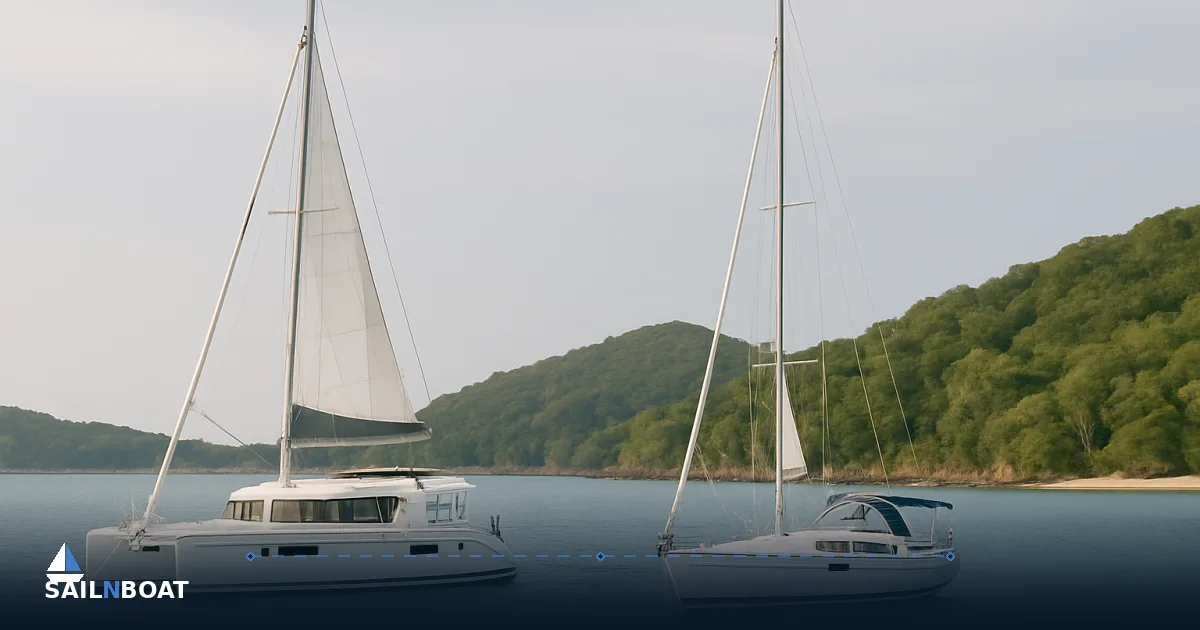
Intro: For most family charters the catamaran vs monohull for family charters decision comes down to two things: living space and motion. A catamaran will usually give your family more usable cabins, a larger saloon and a steadier ride; a monohull typically wins on price, upwind performance and simpler marina handling. Read on for the practical trade-offs, exact ranges and the questions you must ask your charter operator before you book.
Key Differences Between Catamarans and Monohulls
Overview of Vessel Types
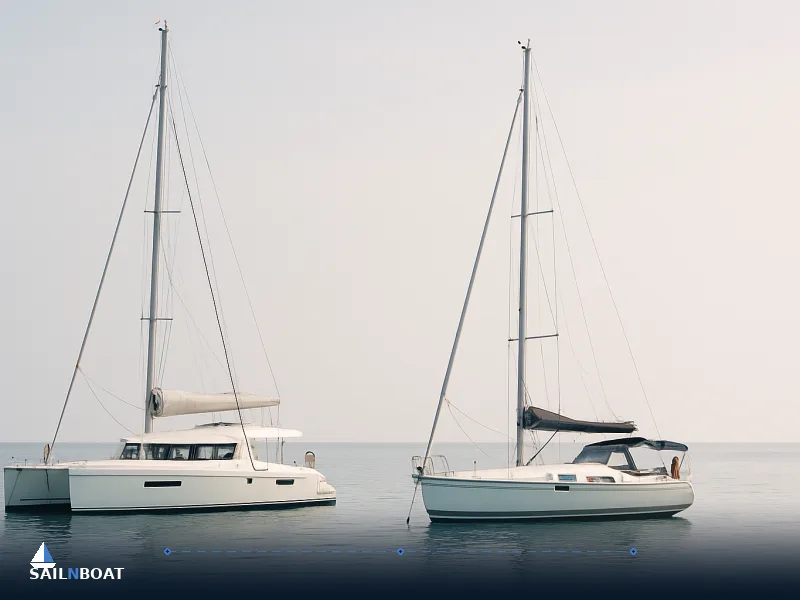
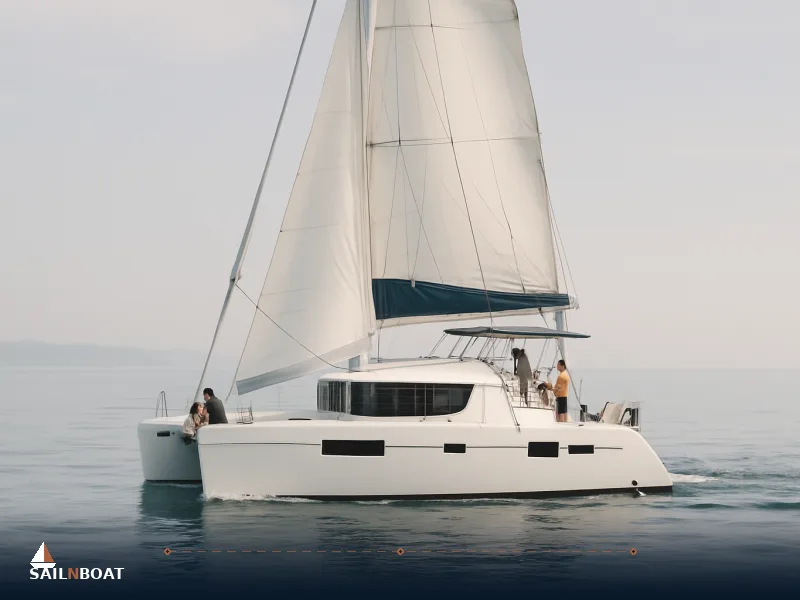
- Catamaran: two parallel hulls joined by a bridgedeck. That layout produces wide beam, large panoramic saloons, separate hull cabins and high initial stability. Catamarans usually have twin engines and twin rudders which change how you manoeuvre in tight spaces.
- Monohull: a single hull with ballast keel; narrower beam, deeper draft and the classic heeling motion under sail. Monohulls generally carry the same gear in a smaller volume, and their performance upwind and in a seaway differs from cats in predictable ways.
These structural differences ripple through every practical choice you make: cabin privacy, tender size, marina berth requirements, fuel use and how the boat behaves when the wind pipes up.
Space and Comfort: Comparing Living Areas and Amenities
Living Space Comparison
Space is the most visible difference on a family charter. At the same length overall (LOA) a catamaran typically provides much more usable living area — extra cockpit, wider saloon and hull cabins with better standing headroom — because the volume comes from beam rather than length. Industry comparisons commonly state that a 45ft catamaran offers significantly more living area than a 45ft monohull, and in some cases may approach the space of a much longer monohull, but exact comparisons depend on layout and should be confirmed with your charter operator. That makes cabins, heads and storage roomier and lets you carry more kit (dive gear, child seats, toys) without feeling crowded.
Trade-off: the extra volume comes at the cost of beam — moving fore and aft, and stepping across the bridgedeck, is different to a mono. If you need a single long saloon or maximum under-stowage for long passages, a much larger monohull may still beat a small cat.
Amenities and Layout
- Catamarans typically: 3–6 double cabins (often each with an en suite), a wide cockpit that becomes outdoor living, a bridgedeck saloon at cockpit level, large foredeck sunpads and sometimes a trampoline. Twin engines make stern-to docking and tender handling straightforward.
- Monohulls typically: fewer but often larger cabins for the same LOA, a central saloon below decks, a linear galley and a single deeper keel. The motion under sail creates a sense of living ‘inside’ the hull rather than on a broad platform.
For families, check for: forward cabin access (safe for kids), cockpit protection (bimini or sprayhood), sufficient refrigeration/freezer capacity if you intend to self-provision, and secure stowage for the tender and toys. These are operator-level details — always confirm exact layout and included equipment before you book.
Stability and Safety: Assessing Motion and Seasickness Potential
Stability Under Sail
Catamarans have high initial stability: they resist heel and typically show small heel angles even in a stiff breeze — practical ranges commonly cited put catamaran heel at about 5–10 degrees in stronger conditions, whereas monohulls often heel 15–30 degrees or more under the same loads. That lower heel reduces the sideways sensation that triggers seasickness in many passengers.
Do note the safety trade-offs: catamarans’ high initial stability changes into a sudden limit — when one hull lifts, a cat will behave differently than a heeling monohull. In confused short seas cats can ‘slap’ the bridgedeck which passengers may find uncomfortable; monohulls have more progressive feedback through heel. For family safety, confirm handholds, guardrails, child life-jackets sized to your children and how the crew manages sail plans with young guests aboard.
Safety Features
- Child-safety: look for solid lifelines, netting over forward trampolines (or the option to close that area), and clear cockpit guards. Many charter companies offer child lifejackets and harnesses on request.
- At-anchor behaviour: cats sit level at anchor with separate engine and generator systems often giving redundancy; monohulls may roll more at anchor in swell but can self-right when knocked down.
- Emergency considerations: twin engines on cats provide redundancy for motoring; monohull keels are protective for propellers and lower units in some grounding scenarios.
Always ask the operator what they include in the briefing (child-safety briefing, lifejackets, man-overboard plan) and whether the crew will supervise children during manoeuvres.
Sailing Performance: Evaluating Handling and Maneuverability
Handling Characteristics
- Catamarans: accelerate quickly off the wind, have lower wetted surface at speed and feel stable under sail. They typically cannot point as close to the wind as a monohull and tacking angles are wider; that can add mileage on a windward leg. Twin engines make slow-speed control intuitive, but beam can complicate tight marina turns.
- Monohulls: generally point higher into the wind and give clearer helm feedback as the boat heels — experienced sailors use heel and sail trim as a natural power limiter. In variable winds a mono can be easier to ‘feel’ and tune for performance.
If your family’s itinerary includes long upwind hops, a monohull may arrive sooner and with less engine time; for island-hopping, beach-hopping and short runs between anchorages a cat’s off-wind speed and quick acceleration are often advantageous.
Maneuverability
Catamarans’ twin engines and twin rudders give excellent lateral control and enable close stern-to berthing — but their wide beam means you often need a wider berth and a more expensive finger in many marinas. Monohulls are narrower and easier to squeeze into standard berths, though single-engine control in a crosswind demands more skill or a bow thruster.
Marina costs and berth availability are practical constraints you will want to check before booking (see Costs below).
Cost Considerations: Analyzing Charter Prices and Value
Typical Charter Costs
Expect to pay materially more for a catamaran when comparing boats by LOA: market comparisons commonly cite catamaran charter rates as 40–80% higher than equivalent-length monohulls. That premium reflects higher build cost, two engines, larger volume and strong charter demand.That premium reflects higher build cost, two engines, larger volume and strong charter demand. Also factor in ongoing operating costs: twin engines and larger deck areas usually mean higher fuel and cleaning bills, and a cat’s wide beam can push you into a premium marina berth or require two adjacent slots in busy bases. Conversely, because cats carry more people comfortably, the per-person cost can be similar to a monohull if you fill the boat.
Value for Money
- How to judge value: compare total trip cost, not just the base weekly rate. Add the Advance Provisioning Allowance (APA, commonly around 20–30% of the charter fee for bareboat or skippered charters), provisioning, marina fees, fuel and optional extras (skipper, hostess, water toys). For families, factor in convenience items that save time and stress: a larger fridge/freezer, air-conditioning hours, an electric winch or bow thruster if you’re inexperienced, and secure cockpit arrangements for small children.
- When a cat makes sense financially: if you need extra cabins and privacy (grandparents, kids in separate cabins) or you plan to split costs among larger groups, the higher base rate can be offset by lower per-person cost and the non-monetary value of space. Also consider savings on marina nights if you plan mostly to anchor — cats give more viable anchor spots because of shallow draft.
- When a monohull is better value: if budget is tight, your party is small (2–4 people) and you prioritise sailing performance or lower marina fees, a monohull typically gives better value per LOA. A smaller mono will often be less expensive to charter and cheaper to run in fuel and marina fees.
Choosing the Right Vessel: Matching Boat Features to Family Needs
Considerations for Families
Make your choice against a short, honest list of priorities. Below are the common family profiles and the practical boat features that follow.
Checklist of questions to answer internally
- Group size and sleeping arrangements: Do you need separate cabins for children and adults, or will children share? Many families find 3–4 cabins optimal.
- Ages and mobility: toddlers and very young children need rails, netting and cabin locks; older teens appreciate their own space and USB charging.
- Seasickness history: if several family members are prone to motion-sickness, prioritise a catamaran’s gentler heel and reduced rolling in steady seas.
- Itinerary: are you island-hopping with short passages and lots of anchoring, or covering long offshore legs? Cats excel at short passages and sheltered anchorages; monohulls are better for long upwind legs and heavy-weather passages.
- Marina vs anchoring: if you prefer to sleep ashore occasionally or use marina facilities, check berth availability and cost for wide-beam boats at your chosen bases.
- Toys and logistics: if you want SUPs, kayaks, a big tender or scuba gear, confirm deck stowage and transom access—which is typically easier on cats.
Practical size guidance (many operators and families follow these patterns)
- Family of four (two adults + two children): many choose a 40–45ft cat for space or a 38–42ft monohull if budget and marina flexibility matter.
- Extended family or two families (6–8 people): a 45–50ft catamarans gives separate hull cabins and communal spaces without feeling cramped.
- Small family focused on sailing experience (2–4 people): a monohull in the 35–45ft range is often more economical and delivers better sailing feedback.
Consultation with Charter Operators
Treat the operator briefing as part of your decision. A good charter company will ask about your family composition and propose specific boats that match safety and comfort needs. Key items to confirm before you book:
- Exact cabin layout, bed sizes and whether forward cabins have separate access or require walking through others.
- Tender size, outboard horsepower and whether the tender is included in the price or charged separately.
- Safety equipment for children: number and sizes of lifejackets, harnesses, and available kid-specific gear.
- Marina berth requirements and likely berth costs at your planned bases: some marinas either charge a premium for wide cats or have a minimal LOA-based pricing that favours narrower boats.
- Fuel policy and likely consumption for your itinerary (cats often use more fuel when motoring because of two engines).
- APA level, security deposit and what the deposit covers; get clarity on insurance excess and how claims are handled in the event of damage.
- Crew costs (skipper/hostess), typical gratuity practice and whether a skipper is recommended or required for your chosen boat/itinerary.
- Provisions service, early/late check-in/out policies and the specifics of the handover checklist (what the base inspects on arrival/departure).
Ask to see the inventory and an annotated deck plan. If a cabin configuration or deck layout matters for child-safety or privacy, get a photograph or deck plan in writing.
Final decision trade-offs and a short decision matrix
- Choose a catamaran if your family prioritises: space, separate cabins, reduced heel, easy beaches and anchoring options enabled by a shallow draft (~1.0–1.3 m).
- Choose a monohull if you prioritise: lower charter cost by LOA, marina flexibility, closer windward performance and a classic sailing experience.
- If you are unsure, pick the factor you will resent most if absent (e.g, lack of privacy, seasickness, budget overrun) and let that guide the choice. For many families the avoidance of seasickness and the extra space tip the balance to a cat; for sailing families focused on performance or on a strict budget, a monohull remains the rational choice.
Practical pre-booking checklist (ask these of the operator)
- Confirm exact LOA, beam and draft; check berth compatibility at each base.
- Request an equipment/inventory list that includes tender hp, fridge/freezer capacity, and safety gear.
- Ask about child-safety options and whether the base can install netting or barricades.
- Get the APA percentage, exact security deposit and the conditions for its refund.
- Clarify cancellation terms and travel-insurance requirements for charter.
If you want help mapping those answers to specific boats in your dates and region, contact us to discuss your family charter options and find the perfect vessel. We will review layouts, likely costs, berth constraints and safety options so you can book confidently.
Frequently Asked Questions
Catamarans offer more living volume, shallower draft and less heel, which suits families; monohulls generally cost less, point higher to wind and may be simpler to handle in some marinas.
At the same overall length a catamaran typically delivers roughly double the usable living area; many guides equate a 45ft cat’s interior to about a 58ft monohull’s.
Catamarans heel very little and feel more stable at anchor and under sail, lowering seasickness risk, but they can slam in confused seas; monohulls heel more but have different capsize/righting characteristics—choose based on likely sea state and your comfort with heel.
Catamarans are frequently 40–80% more expensive to charter than equivalent-length monohulls, though per-person figures can be comparable for larger groups because cats carry more guests.
Monohulls typically point closer to the wind and tack through smaller angles; catamarans accelerate faster off the wind and cruise faster on reaches but may require more tacks upwind.
Most families prone to seasickness find catamarans gentler because they heel far less and have less roll in steady seas, but individual response varies and cats can be uncomfortable in short, steep chop.
A draft around 1.0–1.3 m allows anchoring in shallow bays and lagoons, closer to beaches and sheltered swim spots that deeper monohulls cannot access.
Written by
Sailnboat Editorial
The Sailnboat editorial desk covers yacht and boat chartering worldwide — routes, bases, seasons, boat types, paperwork and the practical costs that decide a trip. We are a charter marketplace, not a boat owner or a local agency: what we sell is judgement and support, so our guides are written to help you make a decision, not to sell you a specific boat. Every guide is checked against live operator and marina data before it goes out.
Fact-checked against live operator and marina data, and published under our editorial standards. Last reviewed: .