Catamaran vs Monohull: Stability and Comfort for Charterers
A focused, operational comparison showing how catamarans and monohulls differ in stability, onboard comfort, anchoring options and charter cost so you can choose the right boat for your trip.

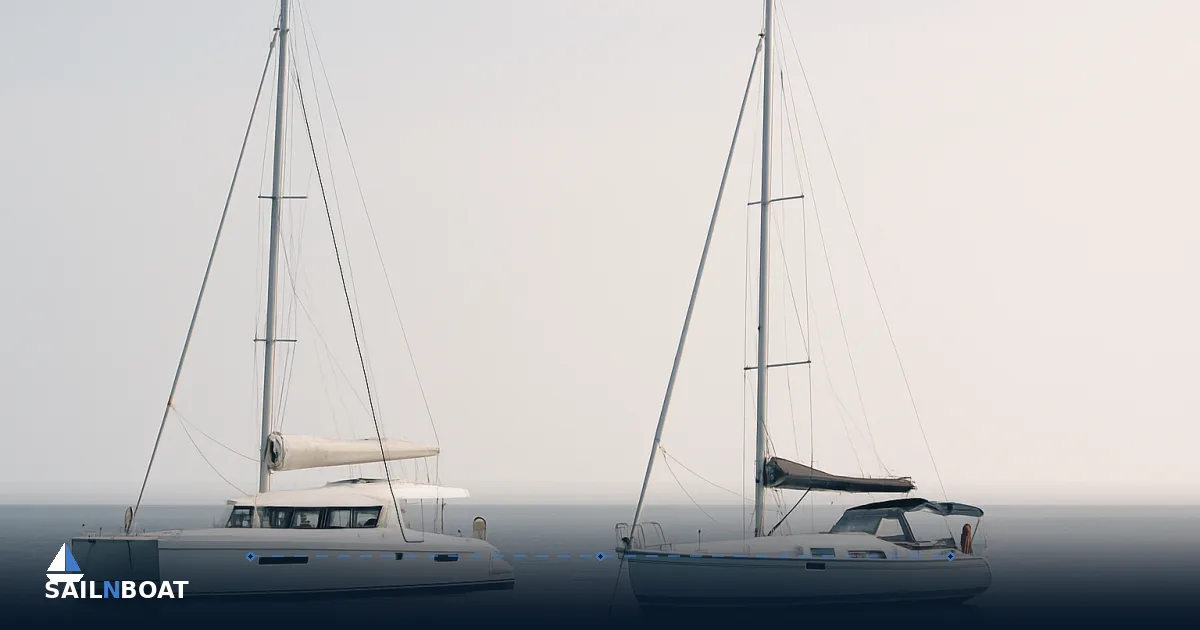
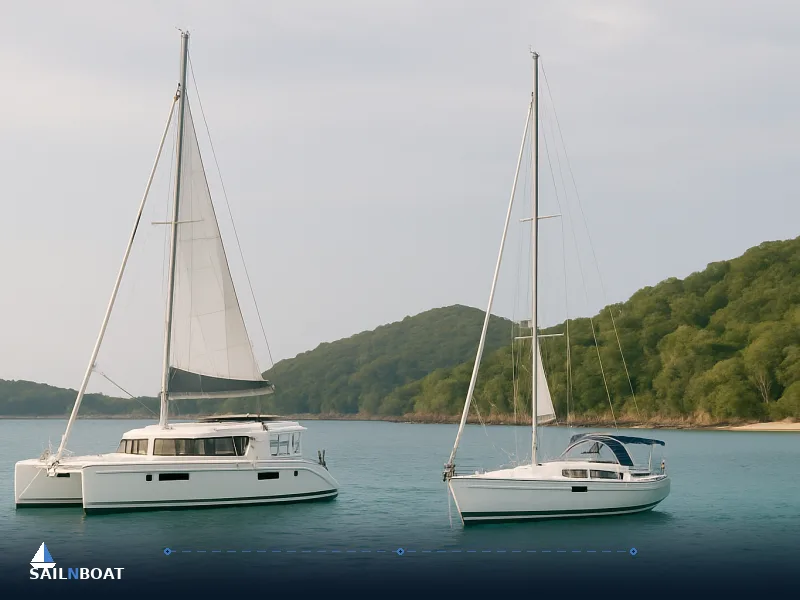
A practical short answer: for most charterers whose priority is minimum motion, easy living space and shallow-anchorage access, a catamaran will feel more stable and comfortable; if you prize traditional sailing feel, tighter marina handling and generally lower charter cost, a monohull is usually the better choice. The target question — "catamaran vs monohull stability and comfort" — comes down to trade-offs in heel, motion patterns, interior volume, draft and what you value most on holiday.
Understanding Stability: Catamarans vs Monohulls
Stability Under Sail
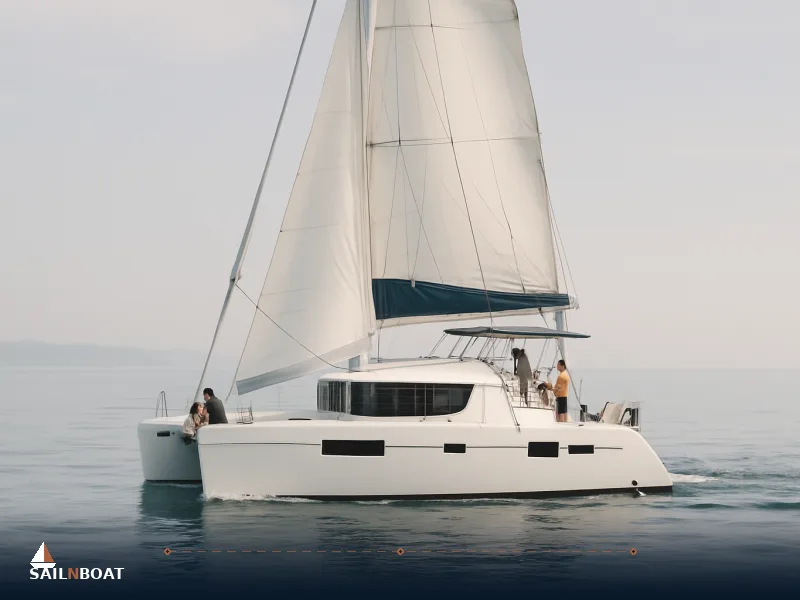
Catamarans produce a very different stability experience from monohulls. A cat’s twin-hull layout gives large initial transverse stability: the boat resists heeling, so you sail much flatter and guests who suffer seasickness usually find cats gentler. Monohulls heel under sail because ballast creates a righting moment; that heel is how a monohull stores energy to resist capsize and is also why many sailors say a heeling monohull "feels alive" at the helm.
Practical effect: on a typical 20–25 knot gust you will notice a cat remain largely flat with increased speed and a monohull heeling significantly — this changes how people move about the boat, how easy cooking and serving are underway, and who sleeps well on passage.
Response in Different Conditions
The difference is not simply “more stable = always safer.” Catamarans are highly resistant to initial capsize forces because of beam and buoyancy, but their stability curve is such that once capsized they do not self-right. Monohulls rely on ballast keels and a GZ curve that typically brings a knocked-down sailboat back upright; that self-righting property is why many offshore safety rules and racing standards are written around ballasted monohulls. Both types cross oceans safely in large numbers — the real safety driver is seamanship, weather choice, and boat condition.
Operational decision: if anyone on your trip is prone to seasickness or you plan lots of short hops, a catamaran’s low heel will materially improve comfort. If you plan bluewater passages where a high-angle self-righting capability is a priority, weigh that into your choice and the specific model’s offshore pedigree.
Comfort On Board: Space and Amenities
Living Space Comparison
One of the clearest, practical advantages of catamarans is usable volume. A production 40‑foot catamaran often provides the living space and deck flow of a much larger monohull: level saloon, wide cockpit, and cabins separated in hulls for privacy. That extra square metres are not just marketing — they change how six to eight guests live aboard for a week (sleeping, galley work, social space).
Trade-off: larger beam also means more exterior surface to maintain, two engines and twice the systems. That affects charter price, marina berth cost and the complexity of a handover check-list. Expect a cat’s layout to feel apartment-like; a monohull will feel narrower and more linear, but many crews prefer the down‑below searoom and sheltered motion of a monohull cabin at anchor.
Motion and Comfort Levels
Motion matters more than absolute space for subjective comfort. Cats reduce roll and heel; the resulting ride is often described as a steady, almost “platform-like” experience. But in certain short choppy head seas, some sailors report that light catamarans can exhibit quicker, snappier pitch or hobby-horsing between wave crests; this is anecdotally described as a sharper motion compared to the slow, predictable roll of a heavy, ballasted monohull. Balance your choice against your planned itinerary and the sea states you expect.
Practical guidance:
- If you or your party sleep poorly with heel or are escorting small children, favor a catamaran.
- If you want a calm motion through head seas or plan offshore legs, inspect the particular model’s displacement and bridgedeck clearance — heavier monohulls and higher bridgedecks on cats both improve seakeeping.
Cost Considerations: Charter Fees and Maintenance
Charter Fees
Charter pricing consistently shows a premium for catamarans. Industry guides and charter markets commonly report catamaran weekly rates ranging roughly 40–75% higher than comparable-length monohulls; this reflects higher purchase prices, demand for comfortable charters, and the usable space cats sell. Plan your budget with that premium in mind — for the same party size the per-person cost on a cat often narrows but the absolute charter fee is higher.
How to judge value:
- Compare per‑cabin or per‑guest pricing rather than only boat length.
- Check what’s included (linen, outboard, dinghy fuel, cleaning) because higher base rates sometimes bundle more services.
Maintenance Costs
Two hulls, two engines, twin saildrives or shafts, twice the rudder gear and larger sponge area below the waterline mean higher maintenance and berth costs for cats. Charter operators and owners routinely model higher haul‑out, antifoul and service bills for catamarans — that incremental cost per year is one reason charter rates remain higher. If you’re comparing long-term ownership economics this is a decisive factor; for a single charter the effect is baked into the daily rate.
Practical budgeting tip: when getting quotes, ask operators to itemise typical extras (transit log, provisioning, marina fees) and note whether a cat’s twin systems attract higher insurance or yard surcharges in the region.
Maneuverability and Docking: Handling Differences
Docking Procedures
Monohulls are usually easier to berth in a crowded marina because their narrower beam fits traditional finger berths and they respond predictably to helm and single-engine thrust. Catamarans require wider berths and more berth availability; in busy or historic marinas that can limit mooring choices or add cost for a double-wide slip. Modern cats with twin engines give very fine directional control under power, but you need room to use it.
Practical manoeuvre advice:
- Practice slow-speed twin-engine control with your skipper before attempting tight berthing: reverse power on one side while forward on the other yaw the boat very effectively.
- Confirm berth width at your destination before booking; in some Mediterranean ports a cat may require a quay rather than a finger berth.
Handling Under Sail
Monohulls tend to feel more responsive at the helm: weight and keel balance give direct feedback when trimming sails. Catamarans accelerate quickly and can be faster on reach or downwind legs, but feel less "connected" for sailors used to heel and weather helm. If you value hands-on sail trimming and immediate helm feedback, a monohull will usually satisfy that preference.
Operational decision: if most of your days will be island-hopping with short sails and frequent marinas, comfortable berthing and engine handling may be more important than pure sailing feel.
Safety Features: Evaluating Risks and Recovery
Capsizing Risks
The physics differ: catamarans have high initial stability and resist heeling strongly; to capsize a cruising cat normally requires extreme events (large breaking waves, anchor dragging into a beam-on sea, or catastrophic structural damage). However, an inverted cat does not self-right; recovery is difficult and usually requires salvage. Monohulls, by contrast, use ballast to create a strong righting moment and in many designs will self-right from severe knockdowns. That trade-off is central to the safety conversation and the reason you’ll see different operational advice depending on whether your route is coastal day-sailing or open‑ocean passages.
What to check on a charter:
- Confirm offshore certification and build standard if you plan longer passages.
- Review the vessel's safety inventory (liferaft capacity, jacklines, through‑hull valves and bilge pump redundancy).
- For cats, ensure the operator has clear emergency plans for dismasting or capsize scenarios.
General Safety Features
Both hull types offer good safety when maintained and sailed within their design envelope. Catamarans give redundancy (two engines) which can be a real advantage if you lose one engine. Monohulls often have simpler systems and the protective benefit of ballast. Ask your charter company to list recent maintenance work, engine service dates, and the last survey — these facts speak louder than model type when assessing safety.
Draft and Anchoring Options: Accessibility Considerations
Draft Comparisons
Typical cruising catamarans of popular charter lengths usually have a shallow draft commonly cited in the range of about 1.0–1.3 metres, while comparable monohulls often have drafts around 1.8–2.1 metres. That shallower draft on a cat allows access to sand‑flats, shallow bays and sheltered cays that are off-limits to deeper-keeled monohulls.
Safety note: draft numbers vary with model, load and whether a monohull has a lifting keel option; always check the specific boat’s spec sheet before planning an anchorage.
Access to Anchorages
Because of draft, catamarans can anchor inside reef edges, closer to beaches and in shallower coves — this often shortens tender rides and makes swimming and shore access easier for mixed-ability groups. Monohulls will frequently anchor outside reef lines or in slightly deeper water but may point better to windward and hold well with deeper keel geometry.
Tactical anchoring advice:
- On a cat, pay particular attention to tidal range and holding (sand vs weed) because you are often closer to the shoreline at low water.
- Confirm local charts for reef patches; a shallow-draft cat is not an excuse for complacent navigation.
How to Choose: Questions to Ask Before Booking
- Who is on board? If anyone is prone to seasickness, lean catamaran. If the party wants active sailing, consider monohull.
- What is your itinerary? Island-hop, shallow bays and frequent anchoring favour cats; long upwind passages and tight marina plans can favour monohulls.
- What’s your budget? Expect a clear catamaran premium in weekly charter rates; per-person math may change the equation if you fill cabins.
- What marina space do you need? Ask the charter company for berth width requirements and confirm availability at busy bases.
- What safety and maintenance records can the operator show? Recent engine servicing, hull surveys and documented safety drills matter more than hull type.
Final Practical Checklist for Charterers
- Request the boat’s spec sheet (draft, displacement, engine hours) before you commit.
- Ask the base: what is included in the rate, typical extras, and the exact marina berth type you’ll have at check‑in.
- Confirm the model’s intended operating area (some cats are coastal-only in practice).
- If you value low motion and easy living for a mixed-age group, prioritise catamarans; if you want lower cost, simpler systems and traditional sailing feedback, prioritise a monohull.
Choose by trade-off, not myth: catamarans deliver the flat platform and space most charterers want, at a measurable price premium and with different marina needs; monohulls deliver heel, engagement and often lower cost with different offshore characteristics. Use the practical checklist above, inspect the specific model and operator records, and match the choice to your itinerary and guests.
CTA: Consider your preferences carefully and choose the vessel that best suits your charter needs.
Frequently Asked Questions
Catamarans have high initial stability and very little heel, which reduces motion and seasickness; monohulls rely on ballast and heel, giving a different stability curve and the ability to self-right after severe knockdowns.
Catamarans offer more level living space, a roomier cockpit and quieter night motion for many guests; monohulls feel narrower and more heeled under sail but can be cozier at anchor and often have better seakeeping in head seas.
Higher new-build and used prices, two engines and twice the systems, larger usable interior volume and high market demand for comfortable charters all push daily/weekly charter rates higher.
Monohulls are generally easier to handle in tight marina berths and respond predictably to the helm; catamarans need wider berths, but twin engines give fine control when used correctly.
Neither is categorically safer; cats are very stable and resistant to capsize but are difficult to recover if inverted; monohulls can capsize less easily in some scenarios and usually self-right because of ballast.
Shallower drafts on catamarans let you anchor closer to shore and enter shallow bays and cays that keeled monohulls cannot reach, while monohulls can access deeper-water anchorages with better upwind pointing.
Written by
Sailnboat Editorial
The Sailnboat editorial desk covers yacht and boat chartering worldwide — routes, bases, seasons, boat types, paperwork and the practical costs that decide a trip. We are a charter marketplace, not a boat owner or a local agency: what we sell is judgement and support, so our guides are written to help you make a decision, not to sell you a specific boat. Every guide is checked against live operator and marina data before it goes out.
Fact-checked against live operator and marina data, and published under our editorial standards. Last reviewed: .