Choosing Between Bareboat and Skippered Charters: A Guide
Understand the practical difference between bareboat and skippered charters—what licences and experience you need, how much a skipper costs, and sensible middle-ground options for first-timers.

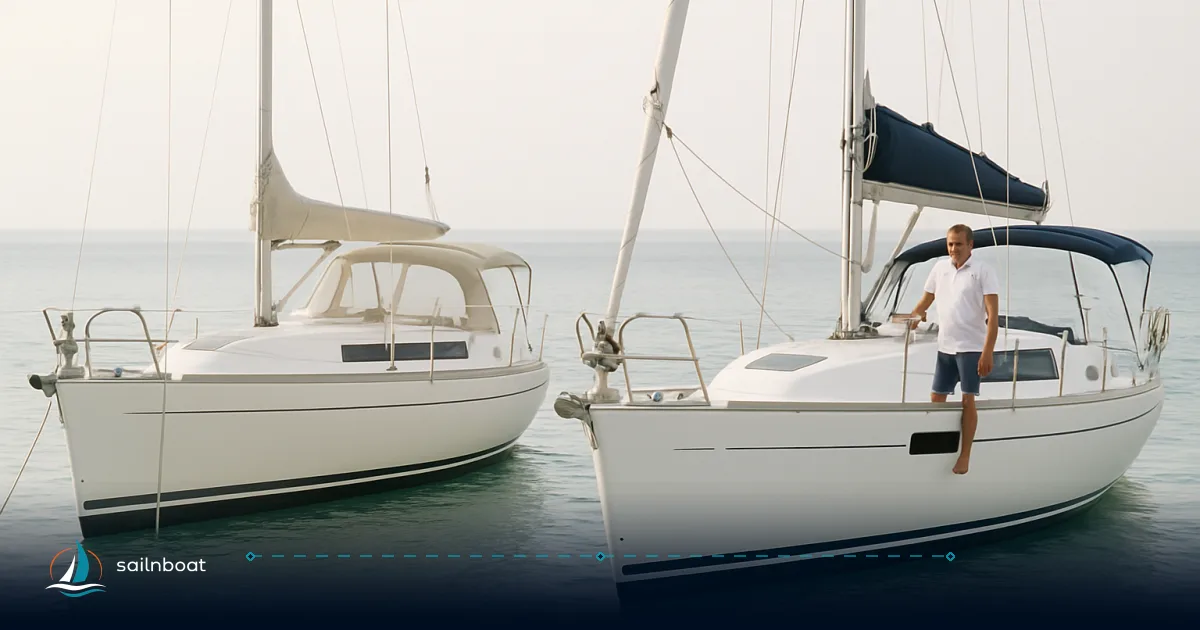
If you’re weighing bareboat vs skippered charter for your first yachting holiday, you’re facing a practical trade-off: control and autonomy versus convenience and professional support. Bareboat charters put every operational detail in your hands—routing, safety, and cost management—while skippered charters add a daily fee (typically €180–250) but transfer the on-water responsibility to a licensed professional. The best option depends on your sailing competence, appetite for risk, and the value you put on local knowledge.
Understanding Bareboat and Skippered Charters
What is a Bareboat Charter?
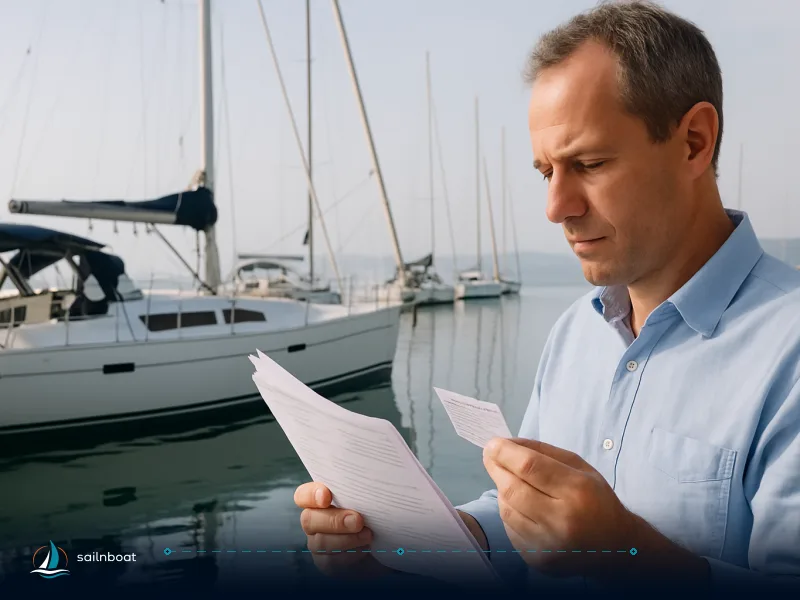
A bareboat charter means you take over the yacht as the legal operator, with no professional crew provided. You handle the check-in, vessel systems, navigation, berthing, and all daily decisions. Charter companies will require proof of your competence: most ask for a recognised licence (ICC, RYA, ASA, or a national equivalent) and a recent sailing CV outlining your skippering experience. You’ll be named as the skipper on the contract, carrying full legal and financial responsibility until the boat is handed back.
What is a Skippered Charter?
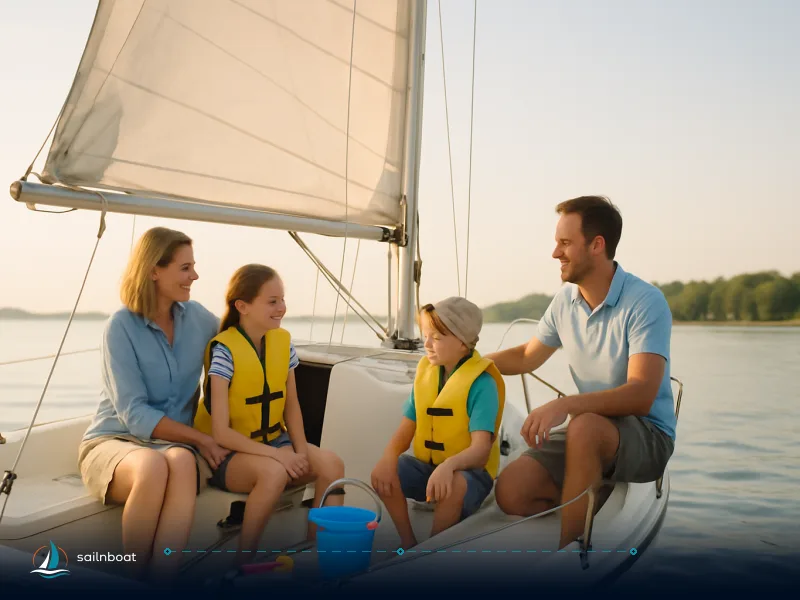
A skippered charter includes a professional captain who manages the yacht for the agreed period—sometimes for the whole charter, sometimes just for certain legs. The skipper navigates, handles berthing, and makes safety calls. You’re still responsible for provisioning, fees, and the yacht’s condition, but you don’t need a sailing qualification. The skipper’s food and a berth or cabin are usually your responsibility, both onboard and when dining ashore. Skippered charters are popular with newcomers, mixed-experience groups, and those wanting to relax or learn on the job.
Requirements for Each Charter Type
Qualifications for Bareboat Charters
Operators typically require one or more of the following:
- ICC (International Certificate of Competence): Widely accepted across Europe, especially in the Mediterranean.
- RYA Day Skipper (or higher): Recognised by many European operators, especially those with UK ties.
- ASA 104 (Bareboat Cruising): Standard for US and Caribbean charters, sometimes accepted elsewhere.
- National licences: Croatian, French, Italian, German, and Greek authorities each have their own accepted national titles (e.g., Croatia’s category B licence, Germany’s SBF See/SKS).
Regional variations:
- Croatia: Strict on paperwork; a VHF certificate is usually required alongside the main licence. Croatian authorities and charter companies often check documents closely.
- Greece: Requires both a primary skipper and a co-skipper with recognised competence (the second can sometimes sign a self-declaration if they lack formal certification).
- Caribbean: Many bases accept ASA certificates and will review a detailed sailing resume. Flexibility varies by operator—always confirm the accepted documents for your chosen base.
- Turkey/Italy/France: ICC, RYA, or equivalent national licences are often accepted, but always confirm with your operator.
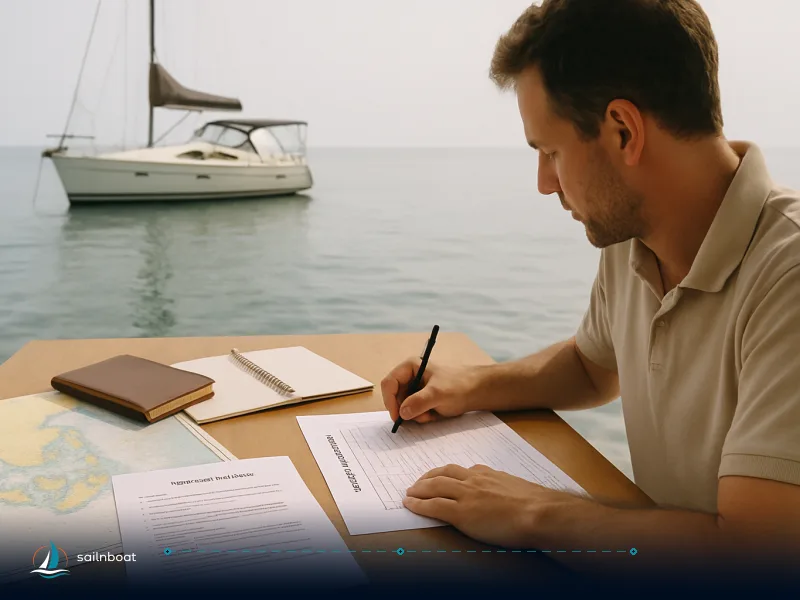
Experience check: Many bases require a sailing CV listing recent skippering days, vessel sizes, and logged miles. Some will insist on a check-out sail or assign a skipper for the first day if your experience is borderline.
Qualifications for Skippered Charters
- No licence needed by guests: The professional skipper holds all necessary documents and insurance.
- Participation expected: You’re still expected to attend safety briefings, and the skipper’s operational decisions are final. If you want to learn, mention this when booking; many skippers are happy to involve you in daily operations.
Cost Comparison: Bareboat vs Skippered Charters
Bareboat Charter Costs
- Yacht fee: The weekly charter price is the same whether you add a skipper or not; the difference is the skipper’s fee and running costs.
- Running costs: You pay for fuel (typically €100–250 per week for a 40-ft monohull, more for cats/motor yachts), end-cleaning (€120–250), marina/harbour fees (in the Med, €40–90 per night for a 45-footer in high season), provisioning, local taxes (VAT varies by country), and a security deposit or damage waiver.
- Security deposit/damage waiver: Most operators require a refundable deposit (€1,500–3,500 for a typical 40-ft yacht) or offer a non-refundable damage waiver (often €150–350 per week, reducing liability to a lower excess).
Skippered Charter Costs
- Skipper fee: Professional skippers typically cost €180–250 per day, or €1,260–1,750 for a seven-day charter. This is paid directly to the skipper or via the charter company.
- Additional costs: You provide the skipper’s meals and a cabin or berth onboard. Guests are also expected to cover the skipper’s meals ashore during the charter. Some contracts include these; others expect you to cover them separately.
- Running costs: Remain the same as bareboat; the skipper may handle cash float for fuel and berthing, but these are still your expenses.
Cost comparison table
| Item | Bareboat | Skippered |
|---|---|---|
| Licence required at handover | Yes (ICC/RYA/ASA/national) | No (skipper holds qualifications) |
| Skipper fee | €0 | €180–250/day (≈€1,260–1,750 per week) |
| Running costs (fuel, marinas, cleaning) | You pay | You pay (skipper may settle from float) |
| Deposit / damage waiver | Refundable deposit or non-refundable waiver | Same (liability still applies) |
| Best for | Qualified crews wanting control | Groups wanting relaxation/local knowledge |
Figures reflect typical Mediterranean benchmarks; always confirm specifics with your operator.
Insurance and Damage Waiver Options
| Option | Typical Cost (per week) | What it Covers | Excess/Limit |
|---|---|---|---|
| Refundable Deposit | €1,500–3,500 | Full value of yacht damage (minus exclusions) | Up to full deposit |
| Non-Refundable Waiver | €150–350 | Reduces liability to fixed excess | Often €300–600 |
| Combined (lower deposit + waiver) | €120–250 + €500–1,000 deposit | Lower up-front risk, smaller excess | Variable |
- Bareboat: Missing qualifications or breaching contract terms can affect how a claim is handled. Always read the policy wording.
- Skippered: Liability for damage caused by guests or negligence still applies to the charterer; the skipper’s professional insurance typically covers only their own operational errors, not accidental or deliberate damage by guests. You remain responsible for the yacht’s condition.
Insurance Exclusions and Edge Cases
- Guest-caused damage: Most yacht insurance and damage waivers exclude damage caused by gross negligence, intoxication, or deliberate misuse—even with a skipper aboard.
- Skipper incapacitation: If the skipper becomes ill or unable to continue, the charter company will typically attempt to provide a replacement, but delays are possible, especially in remote areas. If no replacement is available, your options may include returning to base or switching to a bareboat charter—if you are qualified.
- Disputes: If you have a dispute with the skipper (over conduct, itinerary, or other operational matters), contact your charter operator immediately. Reputable operators have procedures for mediation and, if necessary, replacing the skipper.
Pros and Cons of Each Charter Type
Pros of Bareboat Charters
- Full control: Set your own itinerary and schedule.
- Lower up-front crew costs: If qualified, you avoid skipper fees.
- Experience: Gain hands-on skippering experience, valuable for future charters.
Cons of Bareboat Charters
- Responsibility: You’re accountable for safety, navigation, and local rule compliance.
- Qualification checks: Operators may refuse handover if they judge you under-qualified.
Pros of Skippered Charters
- Professional support: Skipper brings local knowledge, handles navigation, and reduces stress.
- Safety: Especially valuable in challenging or busy waters (e.g., Greek islands, Croatian archipelago).
- Learning opportunity: Skippers often teach and involve you in operations if you wish.
Cons of Skippered Charters
- Additional cost: Daily skipper fee plus their meals and berth.
- Less autonomy: The skipper has final say on all operational decisions.
Safety and Responsibility Considerations
Safety in Bareboat Charters
- You are the operator: Responsible for pre-departure checks (engine, safety equipment, fuel), route planning, and go/no-go decisions based on weather.
- Insurance implications: Missing required qualifications or failing an operator’s pre-check can affect your liability in a claim.
- Minimum pre-departure checklist:
- Engine oil and coolant, bilge pump test
- Lifejackets, flares, VHF/EPIRB operation
- Fuel/water levels, safe harbours on chart
- Local VHF channels, marina contacts, operator’s duty number
- Local rules on anchoring, mooring, seasonal bans
Safety in Skippered Charters
- Skipper leads: The skipper manages all safety processes and carries professional liability insurance, but you must follow instructions, especially regarding alcohol, watchkeeping, and safety briefings.
- Crew responsibility: You’re still expected to cooperate—especially on safety matters.
- Local hazard avoidance: Skippers know the area’s weather patterns, hazards, and marina quirks.
Regional Regulatory Differences
Croatia
- Strict documentation: ICC or national licence plus VHF certificate.
- Police checks: Authorities frequently board yachts to check paperwork.
Greece
- Primary and co-skipper: Two competent crew required; the second can sometimes sign a declaration.
- Local rules: Anchoring and mooring restrictions in some harbours; check with your operator.
Caribbean
- Flexible: Many bases accept a detailed sailing resume and ASA certificates; formal certificates are less often required. Flexibility varies—always confirm with your operator.
- Weather: Hurricane season (June–November) can affect availability and insurance.
France, Italy, Turkey
- ICC, RYA, or national: Generally accepted, but always confirm with your operator.
- Local quirks: Some anchorages and marinas have seasonal restrictions or higher summer fees.
Alternative Charter Options: Assisted and Flotilla Sailing
Assisted Bareboat Charters
- What it is: A local skipper joins for the handover and typically the first day, helping you get familiar with yacht systems, local waters, and marina procedures.
- Cost: Operators may charge for this service, often in the region of €100–250, but pricing varies and some include it in the handover fee or offer it as a paid add-on.
- When to choose: If you’re newly qualified, new to the region, or want a confidence boost without the full cost of a weekly skipper.
Flotilla Sailing
- What it is: You sail your own yacht as part of a group (typically 4–12 boats) following a lead boat. The flotilla leader provides daily briefings, route planning, and on-water support.
- Cost: Flotilla fees can be included in the charter price or charged as a participation fee. In the Mediterranean, per-person flotilla participation fees typically range from €150–350 per week, but total per-person costs (including yacht) vary widely by operator, boat size, and season. Always confirm the current rates directly.
- Who it suits: Novices seeking support, social groups wanting structured itineraries, or anyone wanting guaranteed berths each night.
| Charter Type | Licence Needed | Typical Extra Cost (per week) | Support Level | Best For |
|---|---|---|---|---|
| Bareboat | Yes | None | None | Confident, qualified crews |
| Skippered | No | €1,260–1,750 + meals/berth | Full (navigation, safety) | Relaxation, learning |
| Assisted Bareboat | Yes | Typically €100–250 | First day/local orientation | New region/model |
| Flotilla | Yes | Typically €150–350 per person | Group support, lead boat | Novices, social groups |
Weather and Seasonal Considerations
- Mediterranean: High season (June–September) brings steady winds, busy marinas, and higher fees. Shoulder seasons (May, October) offer quieter ports and lower prices, but weather can be less predictable.
- Caribbean: Peak sailing is December–April. Hurricane season (June–November) impacts insurance and availability—many operators close or restrict bookings in this period.
- Greece & Croatia: Meltemi (Aegean) and Bora/Jugo (Adriatic) winds can make passages challenging for first-timers in summer. Local knowledge is valuable.
Real-World Example
Maria and her friends chartered a 42-foot monohull in Croatia. With only limited skippering experience, they booked an assisted bareboat: a local skipper joined for the first 24 hours, ran through emergency drills, and helped with their first mooring. By day two, Maria was confident enough to take full command, and the group enjoyed the rest of the week independently—saving on skipper fees but benefitting from local insight up front.
How to Decide (Practical Checklist)
- Do you have a recognised qualification and recent experience? If yes, bareboat gives you control and saves money.
- Is relaxation and local expertise your priority? Skippered charters buy you time ashore and peace of mind.
- Uncertain about local rules, weather, or marinas? Assisted bareboat or flotilla options provide support without the full cost of a private skipper.
- Budget check: Add the skipper’s daily rate (€180–250) and their meals/berth to your worksheet. For a week, plan for €1,260–1,750 in skipper fees.
- Insurance: Decide if you want the security of a damage waiver or can cover the full deposit.
Frequently Asked Questions
You normally need a recognised competence certificate such as an ICC, RYA Day Skipper or ASA 104 (or the local national licence such as Croatian category B/C or German SBF/SKS equivalents); operators also expect logged experience.
A professional skipper typically costs about €180–250 per day; over seven days that adds roughly €1,260–1,750 to the base yacht fee, plus the skipper's food and accommodation on board.
The charterer is responsible for navigation, crew safety, mooring, fuel management and decisions about weather and route; the charter contract names you as the party legally responsible for the yacht while on charter.
A skipper manages navigation, watches, berthing/undocking, safety procedures and, often, itinerary planning—reducing operational burden on the party booking the yacht.
Assisted bareboat brings a local skipper for the initial handover (often charged modestly), while a flotilla groups independent boats under a lead boat that provides route planning, daily briefings and on-water support.
Written by
Sailnboat Editorial
The Sailnboat editorial desk covers yacht and boat chartering worldwide — routes, bases, seasons, boat types, paperwork and the practical costs that decide a trip. We are a charter marketplace, not a boat owner or a local agency: what we sell is judgement and support, so our guides are written to help you make a decision, not to sell you a specific boat. Every guide is checked against live operator and marina data before it goes out.
Fact-checked against live operator and marina data, and published under our editorial standards. Last reviewed: .