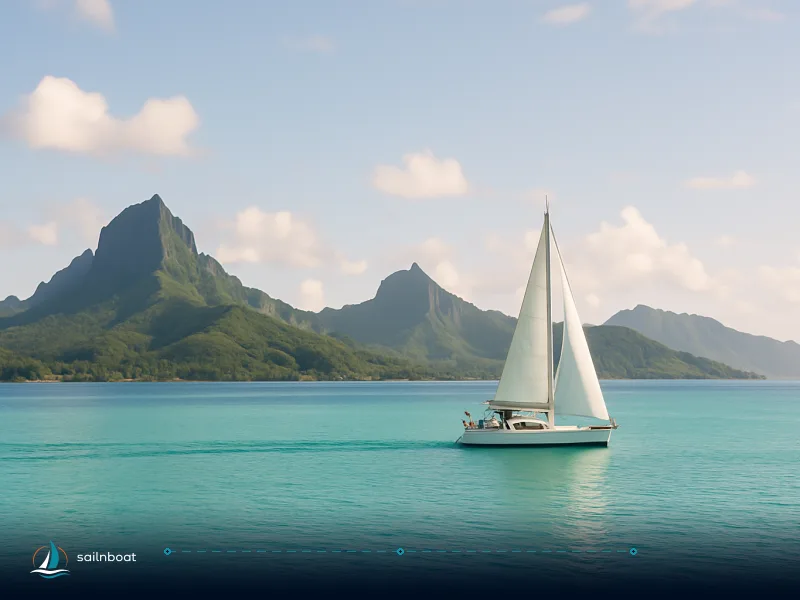
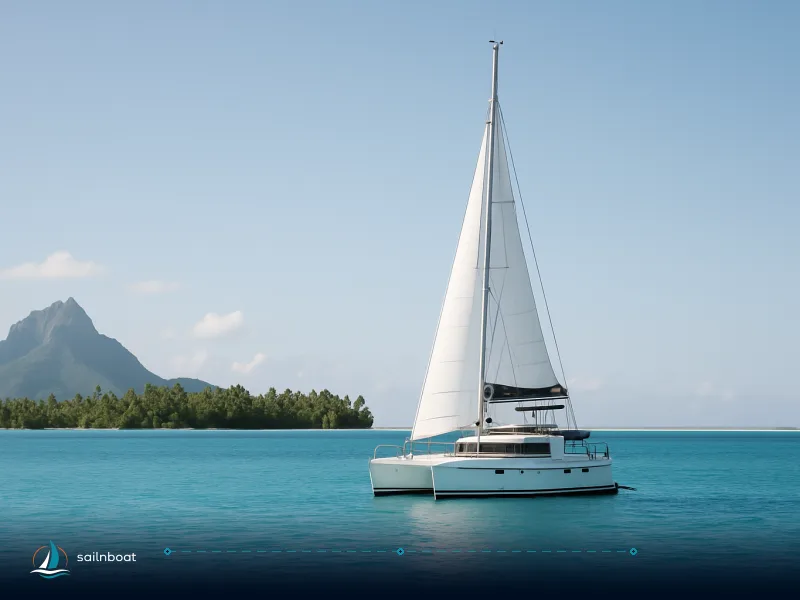
Society Islands Sailing: Practical Guide for Your Charter
Practical, hands‑on guidance for bareboat charters in the Society Islands: why Raiatea is the hub, how to transit Teavanui Pass safely, what licences and evidence charters expect, where to provision and how to buffer for flight disruptions.

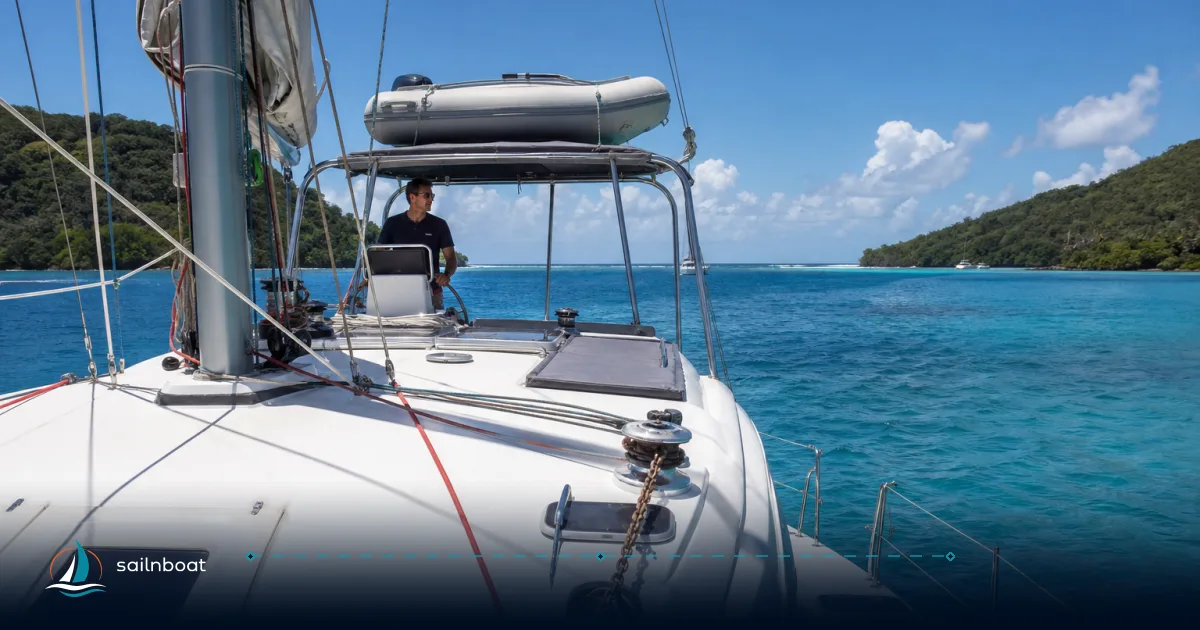
Raiatea — specifically the Uturoa / Apooiti marina area — is the practical hub for society islands sailing: most bareboat charters use its marinas because fuel, shore water and provisioning are all available and it gives the shortest open‑water legs to Taha’a, Huahine and Bora Bora. If your goal is a bareboat week that spends time inside lagoons and uses the marked passes (for example Teavanui into Bora Bora), plan your base, timing and paperwork around that reality before you buy tickets.
Charter Bases in Raiatea: Facilities and Services
Overview of Raiatea charter base
What you actually get at the handover:
- Shore power, dock water points and guest berths at the Uturoa (Marina Uturoa / Apooiti area); the main town quay is close to shops and basic services. Many marinas provide short‑term visitor berths and tender docks for provisioning runs.
- Fuel: there is a marine fuel station near Uturoa’s entrance—plan a refuel at the start or end of your charter rather than relying on smaller islands.
- Technical support: local yards and mechanics handle routine maintenance and small repairs; charter companies typically coordinate any warranty or skipper support through their base office.
What to check at handover (practical checklist)
- Fuel and water levels (note the base policy on who refuels/charges for top‑ups).
- Safety equipment: lifejackets, EPIRB, liferaft service date, fire extinguishers and flares.
- Navigation fit: up‑to‑date charts (paper and electronic), local waypoints and chartplotter setup.
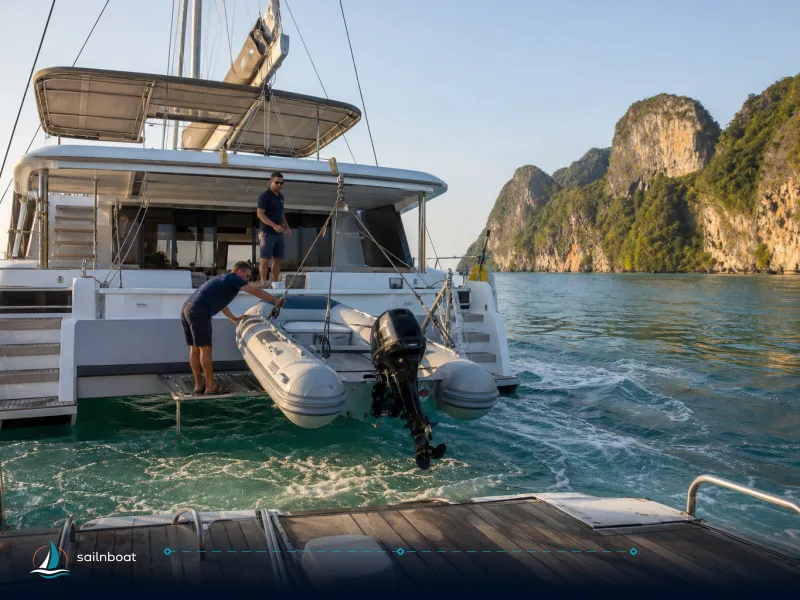
- Dinghy and outboard operation, and whether the dinghy fuel is included. Charter bases will run you through the same checks; keep copies and photos of any pre‑existing damage.
Comparison — practical view of the three useful bases
| Base | Nearest airport / access | Fuel & water | Provisioning & chandler | Practical note |
|---|---|---|---|---|
| Apooiti / Uturoa (Raiatea) | Raiatea (RFP) — short transfer to marina | Fuel station at Uturoa / shore water available | Supermarkets and chandler nearby; town services within walking distance | Main practical base for Leeward Is. charters; fast access to Taha’a and Bora Bora legs. |
| Marina De Uturoa (small marinas/yachts) | Short road/boat transfer from airport | Local refuelling available near quay | Local markets and small supermarkets; more limited than Papeete | Good for provisioning last‑minute items and quick handovers. |
| Papeete (Tahiti) | Faa’a International (PPT) — direct international flights | Full service port (fuel, water, electricity) | Best selection for bulk provisioning (Carrefour hypermarkets) | Use this if you need a full stock‑up or spare parts before island hops. |
(Trade‑off) If you fly into Papeete it is tempting to start there — but in most bareboat plans you’ll either need to dead‑run overnight to the Leewards or take a domestic hop; starting in Raiatea shortens your initial sailing legs and simplifies pass transits.
Navigating Lagoon Passes and Reef‑Protection Strategies
Teavanui Pass navigation tips
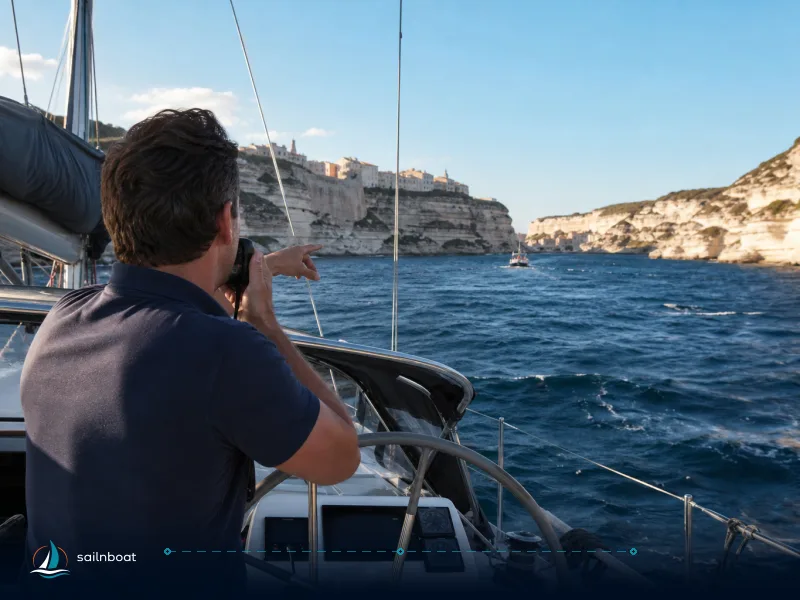
Teavanui (the main Bora Bora pass) is the single principal, well‑marked access through Bora Bora’s barrier reef and the channel is charted with range buoys and lights; charted fairway depths are around 9–12 m in the mid‑channel but shoals and coral heads exist near the edges. The pass can carry a strong tidal stream, especially on ebb, so timing and local advice matter.
Practical transit rules you should follow
- Slack tide is safest: plan your passage close to slack (the short interval between flood and ebb) to minimise current strength; for snorkelling the pass, slack tide is also when currents are weakest.
- Use the range buoys and lights: approach on the recommended channel, keep mid‑channel in the marked fairway and watch for breakers on the exposed reef when seas are up. Charts and the local plot should be current.
- Avoid transit in heavy swell or strong on‑shore winds: the pass can break during sustained westerlies — if the swell is running across the entrance the channel becomes difficult to read visually and the ride inside can be much rougher.
- Local knowledge is cheap: ask your base or hire a local pilot/guide for your first transit into Bora Bora’s lagoon — charter programs and marinas routinely provide current local advice.
Safety and environmental practices in passes and lagoons
- Use mooring buoys where provided and never anchor on coral: French Polynesia increasingly restricts anchoring in protected or sensitive lagoon areas to avoid coral damage; many lagoons provide ecological moorings.
- Keep holding tanks closed and do not discharge sewage or greywater inside lagoons: local rules and park rangers enforce this.
- Approach motu beaches carefully with the dinghy and land only where permitted: many motus are protected and managed locally.
Charter Licensing and Resume Expectations
Licensing requirements
Legal / authority side
- French Polynesian maritime authorities require the standard paperwork for recreational vessels and radio station licences for onboard radios — ANFR handles maritime radio licences for VHF/AIS/EPIRB identification. For small sailboats, the typical motor‑boat driving permits that apply to powered craft do not apply in the same way to under‑sail craft; consult the local DPAM office for current administrative rules.
What charter companies actually ask for
- Charter operators commonly request a written sailing resume that documents recent skippering experience (hours, types of boats, recent passages) and will run a short practical check at handover. Many operators also prefer (or ask for) an ICC or equivalent and a VHF operator certificate (SRC) — practices vary by company and by the operator’s risk appetite. If you lack the requested certification, most companies offer a skipper option.
Practical checklist for your paperwork and CV
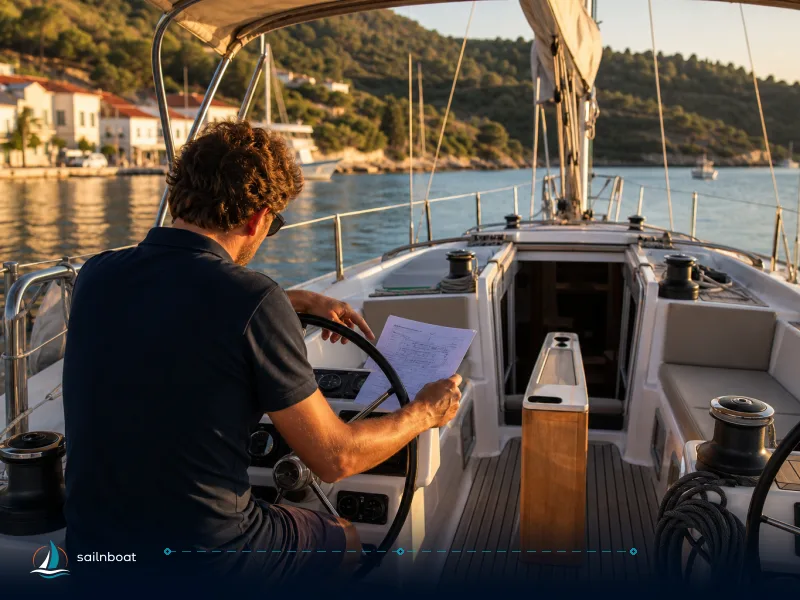
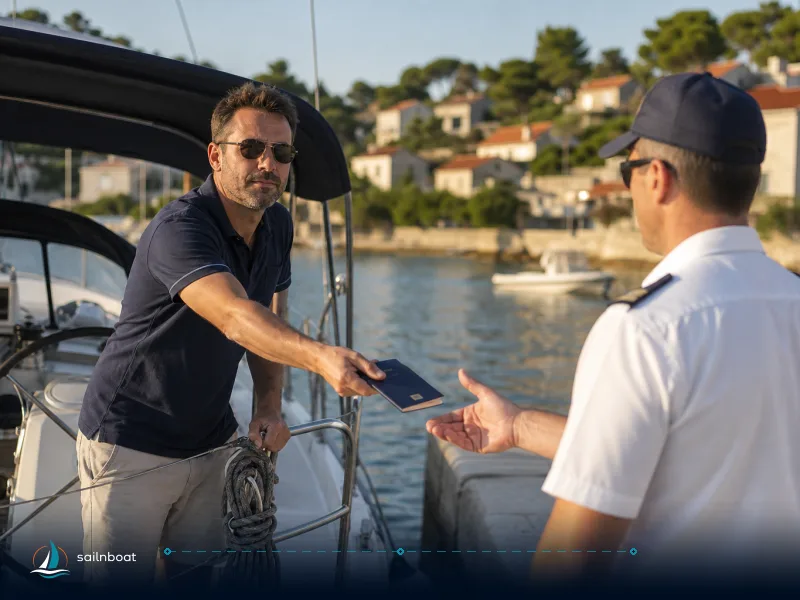
- Passport and travel documents, proof of insurance (if requested by operator), skipper’s CV/resume listing recent skippered charters, experience with reef passages / open‑water crossings, and VHF operator certificate details. Expect the base to assess your competence against the planned route before releasing a bareboat.
(Trade‑off) Legal obligations and charter practice are not identical: an official licence may be unnecessary for a sailing vessel in some cases, but a charter company’s conditions or an insurer’s terms may effectively make having recognised qualifications a contractual requirement.
Provisioning Options and Costs in Raiatea and Tahiti
Provisioning locations
Papeete (Tahiti)
- Best selection and range: Carrefour hypermarkets (Punaauia / Faa’a area) have the broadest range of staples, canned goods, spare parts, marine supplies and bakeries — this is your place to do a full‑boat stock. Papeete is the provisioning hub for long passages.
Uturoa / Raiatea
- Local supermarkets and markets: smaller supermarkets and fish markets in Uturoa will cover daily needs, fresh fish and tropical fruit; for larger or specialty items you will rely on Papeete. Shore water and a fuel station are available close to the marina.
Costs and what to expect
- Imported staples carry a premium: studies and local government reviews show consumer prices and groceries in French Polynesia run materially higher than in mainland France — imported staples and groceries are often significantly more expensive than in mainland France, but the exact premium varies by product and season and may be substantial. Buy locally caught fish, fruit and bread in island markets to stretch your provisioning budget.
Practical provisioning tips
- Bulk‑buy canned staples, cooking oil, spare filters and batteries in Papeete; supplement with fresh local produce in Raiatea the day before departure.
- Expect opening hours and stock to vary (Sundays and local holidays can limit availability); place urgent part orders well in advance.
Managing Itinerary Delays Due to Flight Schedules
Itinerary adjustments
Build time, not tight connections
- Minimum connecting time is real: Air Tahiti and other operators often recommend allowing generous connection times (such as 90 minutes or more) when transferring from an international arrival to a domestic flight, as domestic flights between islands are limited in seats and delays can propagate. For that reason, plan at least one extra day between your international arrival into Tahiti and the charter start (or arrange a day’s buffer in Raiatea).
If a delay happens
- Communicate early: contact your charter operator immediately — many companies will hold a boat for delayed clients if they have prior notice but policies vary. If you face a multi‑day delay, discuss options: postpone handover, take the skipper option, or ask about later check‑in windows. Airlines sometimes rebook passengers onto alternate islands but seats are limited.
Alternative activities while you wait
- Stay an extra day in Papeete for provisioning and final checks, take a short island tour (museum, market) or an organized lagoon activity; if you are in Raiatea, use the buffer to brief the crew, test the tender and motor, and fit the boat for the week.
(Practical rule) If your flight itinerary includes an international arrival to Papeete followed by a same‑day domestic hop, observe airline minimum connecting times in your booking — carriers may refuse to compensate for missed connections if you booked too tight.
Best Practices for a Successful Charter Experience
Pre‑charter preparations
- Weather window: the dry season (May–October) offers the most dependable southeast trade winds and calmer lagoon conditions; the wet season (November–April) brings heavier rain and a higher chance of convective activity. Choose the season that matches your priorities (reliable trade winds versus lower rates/shoulder‑season deals).
- Safety gear and checks: verify EPIRB registration, liferaft service dates, MOB procedures, spares (fuel/water filters, alternator belts) and ensure every crew member has a harness and knows the man‑overboard plan.
- Navigation planning: ask for the operator’s recommended pass list and waypoints — most bases supply local waypoints for safe pass transits and popular anchorages (they expect you to follow them).
Onboard conduct and reef protection
- Use moorings when offered; anchor only over sand, with adequate scope and chain snub. Respect protected areas shown on local charts and the DPAM anchoring maps — authorities regulate anchoring in many lagoon zones.
Final handover and return tips
- Allow time at check‑in for briefings (engine, generators, fridge, head systems), photograph any pre‑existing damage and confirm fuel/water policies to avoid disputes. Return the boat with agreed fuel/water levels and a tidy galley — it removes a common source of chargebacks.
Plan your Society Islands sailing adventure today — pick Raiatea if you want the most practical, serviceable start for a bareboat week that includes Bora Bora, allow slack‑tide windows for passes like Teavanui, provision heavy in Papeete, carry the right paperwork and build a day’s buffer for flights.
Frequently Asked Questions
Uturoa/Apooiti marinas provide berthing, shore water and electricity, fuel close to the harbour, basic chandlery and easy access to supermarkets and services in town; many charter companies also offer launch transfers and technical support at handover.
Use the marked channel and range lights, time your transit for slack tide (or a weak current), avoid passage in heavy W/NW swell and consult your base for the local set; the fairway has charted depths around 9–12 m but currents can be strong on ebb.
There is no universal single licence rule for bareboat charters in French Polynesia; authorities require certain vessel paperwork and radio licences while charter companies commonly request a written resume of recent skippering experience and may ask for an ICC/SRC or equivalent — confirm requirements with your operator.
Best selection is in Papeete (Carrefour hypermarkets); Uturoa has supermarkets and local markets for fresh fish and fruit, but expect imported staples to be significantly more expensive than in mainland France — broadly in the order of 25–35% higher on average.
Plan at least one buffer day between your international arrival in Tahiti and yacht check‑out (or arrive a day early in Raiatea); observe Air Tahiti’s minimum connecting times and monitor domestic schedules — airlines have limited daily seats, and disruptions can cascade.
Written by
Sailnboat Editorial
The Sailnboat editorial desk covers yacht and boat chartering worldwide — routes, bases, seasons, boat types, paperwork and the practical costs that decide a trip. We are a charter marketplace, not a boat owner or a local agency: what we sell is judgement and support, so our guides are written to help you make a decision, not to sell you a specific boat. Every guide is checked against live operator and marina data before it goes out.
Fact-checked against live operator and marina data, and published under our editorial standards. Last reviewed: .