The Rise of Eco-Friendly Yachting: What Charter Clients Should Know
Eco-friendly yachting is now a practical charter choice: choose hybrid/electric propulsion, onboard solar and crew-led waste practices to cut fuel, noise and reef damage.

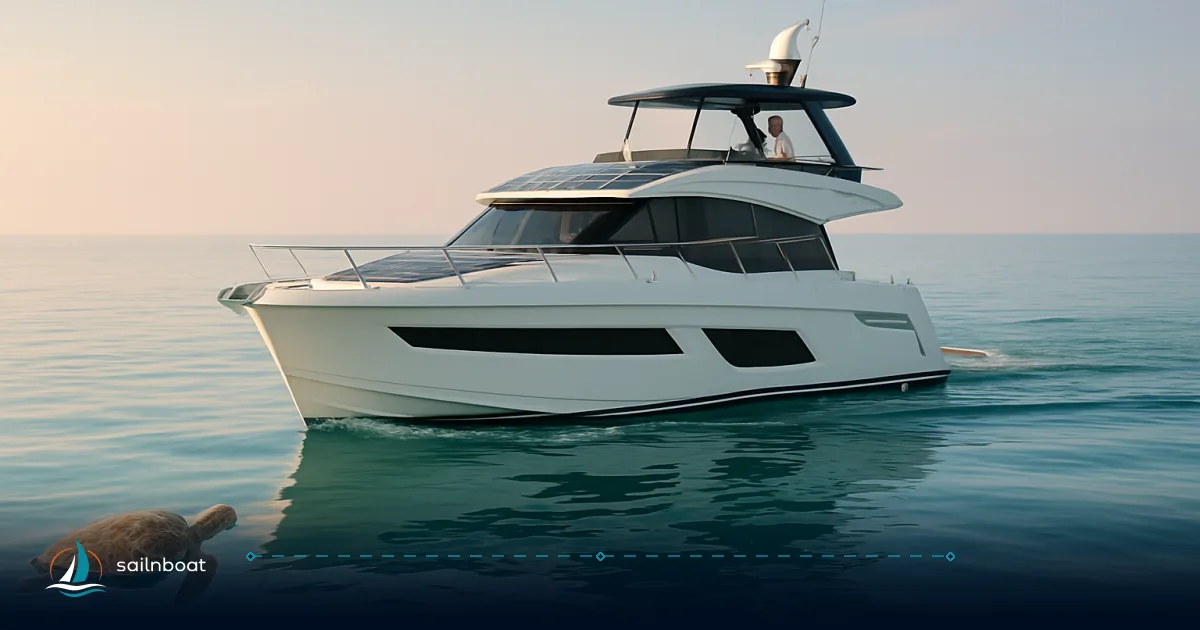
Eco-friendly yachting is practical now: hybrid or electric propulsion plus good onboard practices can meaningfully cut fuel use, noise and local pollution compared with conventional diesel-only charters.
Advancements in Eco-Friendly Yacht Technologies
The two technical levers that change the environmental profile of a charter are propulsion and onboard energy generation/management. New-build and refit programmes combine hybrid or electric drives, large battery banks, integrated solar and smarter power management to reduce fossil-fuel use and generator hours.
Hybrid Propulsion Systems
- What it is: Hybrid systems pair traditional internal‑combustion engines with electric motors and battery storage. They can operate on electric power for low-speed cruising, hotel loads and manoeuvring, switching to the combustion engine for sustained high-speed legs.
- Benefits for charter clients: noticeably lower noise at anchor or on short hops, reduced fuel use during coastal cruising, and extended silent motoring windows useful for wildlife watching. Real-world fuel savings depend on duty cycle; studies show reductions ranging from modest single-digit percentages up to very large savings in optimised renewable-electrified designs.
- Trade-offs: hybrid hardware adds cost and complexity (higher upfront or refit cost, different maintenance profile) and range under pure electric drive is limited by battery capacity; the practical benefit improves when routes include lots of anchoring, slow-speed transit or frequent manoeuvring.
Solar Panels and Renewable Energy
- How they’re used: modern catamarans and some monohulls integrate flexible or framed photovoltaic arrays into coachroofs, bimini tops and superstructures; large builds may carry tens of kWp and battery banks sized in the hundreds of kWh. Builders now offer integrated systems rather than add‑ons, improving reliability and aesthetics. Sunreef’s Eco models are an example of this integrated approach, pairing solar arrays with large batteries and electric drive.
- Impact on fuel and emissions: on sailing yachts, good solar output can cover hotel loads and electrical systems for days and, combined with batteries and wind propulsion, significantly reduce generator hours and diesel consumption. Life‑cycle and operational studies indicate renewable-electric configurations can reduce operational CO2 in many use cases by a very large margin compared with diesel-only operation, though actual savings depend on the itinerary, panel area, battery size and charging strategy.
- Practical note for charterers: ask for solar peak power (kWp) and usable battery capacity (kWh) at handover — these figures determine how long the yacht can run hotel loads and electric propulsion without starting fossil-fuel generators. Builders publish these numbers for Eco models; brokers should provide them on request.
Sustainable Practices for Charter Clients
Technology helps, but your behaviour onboard determines much of the charter’s local environmental impact. These are the operational choices that consistently reduce harm and are within your control.
Waste Management on Board
- Divide and minimise: insist on clear separation of recyclables, food waste and general rubbish; many crews will segregate glass, metal, paper, food and general trash into labelled bins. World‑level sustainability guides for charterers emphasise reusable containers, reduced single‑use plastics and pre‑trip provisioning choices.
- Sewage and graywater: MARPOL Annex IV and national regulations control sewage discharge; many popular charter areas are designated no‑discharge zones close to shore. Use onboard holding tanks and prefer marinas or pump‑out stations for disposal. Rules vary by country — ask the base which ports and anchorages are no‑discharge and where pump-out services are available.
- Food waste and provisioning: favour local, seasonal provisioning to cut supply-chain emissions and plastic packaging. A chef who shops locally reduces the charter’s footprint and benefits the local economy. Brokers increasingly note provisioning as a major sustainability lever.
Responsible Wildlife Viewing
- Keep your distance: voluntary wildlife‑watching codes and conservation groups recommend minimum approach distances that vary by species and jurisdiction; many guidelines use approach buffers in the order of tens to hundreds of metres — e.g., 25 m is commonly cited as a minimum for some species, wider for whales. Slow your speed, avoid sudden course changes and never chase animals.
- Limit swimmer/guest interactions: if your itinerary includes swim-with experiences, require the operator or crew to brief guests on behaviour (no touching, no riding, one boat at a time); support operators who follow a recognized code of conduct.
- Use crew knowledge: a skipper or crew trained in local wildlife protocols significantly reduces disturbance and risk — ask for crew training or references when wildlife viewing is a priority.
Using Reef-Safe Products
- Sunscreen: choose mineral sunscreens (zinc oxide, titanium dioxide) and avoid products containing oxybenzone and octinoxate where local laws or park rules ban them (Hawaii and several marine parks restrict these chemicals). The scientific literature and several jurisdictions have motivated bans or restrictions due to coral toxicity concerns.
- Cleaning and detergents: prefer biodegradable, low-phosphate cleaning agents; avoid copper- or TBT-based antifoul leaching where local rules advise against them. Dive operators and marinas often publish approved product lists or welcome guidance from guests.
Environmental Impact: Traditional vs. Eco-Friendly Yachting
Quantifying impacts depends heavily on the vessel type, engine size, itinerary, and whether the analysis includes life‑cycle manufacturing emissions or operational (tank‑to‑wake) emissions alone. Studies and reports vary — read them as context, not a single definitive number.
Carbon Emissions and Fuel Consumption
- What studies show: life‑cycle and operational assessments indicate that renewables‑backed electric configurations can dramatically reduce operational CO2 compared with diesel-only operation in many scenarios; one recent interdisciplinary LCA suggests renewable‑electric sailing yachts can reduce operational footprint by a very large percentage in optimised cases.
- Sector estimates vary: different methodologies produce very different totals for the recreational sector — some papers put recreational boating’s share as a small percentage of global CO2 but note concentration of emissions in coastal zones, while other studies produce much larger per‑vessel emissions for certain superyachts or charter fleets. This variance comes from what is counted (number of vessels, hours of operation, inclusion of owners’ flights and provisioning, and so on). Use these studies to compare relative performance (diesel vs hybrid vs electric) rather than rely on a single absolute figure.
Ecosystem Disruption
- Anchoring and seagrass: traditional anchoring causes measurable damage to seagrass and reef structures in sensitive bays; using mooring buoys or designated anchorages avoids this damage. Many MPAs and national parks prohibit anchoring on reefs and seagrass beds and enforce fines.
- Noise and wildlife disturbance: electric and hybrid systems cut low‑frequency engine noise at anchor and during slow transits, which reduces behavioural disturbance to marine mammals and fish compared with prolonged diesel generator use. For wildlife-focused charterers, quieter boats increase the chance of close but non‑invasive encounters.
Quick comparison table: traditional diesel vs hybrid vs renewable-electric (practical view)
| Feature | Diesel-only yachts | Hybrid (diesel-electric) | Renewable-electric / Solar + large battery |
|---|---|---|---|
| Typical operational fuel use | Highest; generators often run at anchor | Lower; electric mode for manoeuvring/anchor | Lowest for hotel loads; may be near-zero on favourable itineraries |
| Noise at anchor | High (gensets) | Lower (electric mode) | Lowest (silent hotel loads) |
| Generator hours | Often extensive | Reduced, depending on management | Minimal if solar + battery sized correctly |
| Upfront cost | Standard | Higher (equipment + batteries) | Higher (large battery + panels + integration) |
| Maintenance complexity | Conventional diesel systems | Higher complexity, mixed systems | Electric systems require specialist maintenance |
| Practical trade-off for charterers | Reliable, widespread availability | Good balance of range and quieter operation | Best local environmental profile but dependent on weather and batteries |
| (Values are qualitative ranges; actual performance depends on yacht model, battery kWh, installed kWp, and itinerary.) |
Charter Companies Offering Green Options
The charter market is evolving: builders produce Eco-branded models, brokers and charters list sustainable options, and destination infrastructure (eco-marinas, pump-out stations) is improving — but there is not yet a single universal sustainability label for yachts.
- Builders & yachts: Sunreef has an established Eco line that pairs large battery banks, electric motors and integrated solar; manufacturers increasingly publish kWp and kWh figures for Eco models. If an Eco model is important to you, request those specific numbers.
- Brokers & experts: reputable brokers and specialist charter advisors are beginning to shortlist yachts by verified sustainable features (propulsion, solar, provisioning practices). Yacht Charter Experts, for example, notes propulsion and provisioning as the primary levers and advises clients to specify sustainability early.
- Certifications & marina standards: there’s no single yacht eco label, but useful markers include marina awards (Blue Flag for beaches/marinas), dive-operator schemes (Green Fins by UNEP/Reef-World for snorkel/dive operators) and ISO or recognised class society environmental notations where available. Use these as supplemental signals rather than definitive proof a whole charter is low-impact.
Benefits of Choosing an Eco-Friendly Yacht Charter
Enhanced Experience and Comfort
- Quieter operation (less genset noise) at anchor, improved air quality on deck and lower vibration make for a more relaxed cruise — especially on overnight anchorages and wildlife legs. Hybrid/electric yachts usually offer extended "silent" windows that enhance swimming, paddleboarding and wildlife observation.
- Onboard systems designed for energy efficiency often deliver better electrical availability for AC appliances, refrigeration and guest conveniences without constant generator starts.
Supporting Sustainable Tourism
- Local provisioning and low-impact itineraries support local economies and reduce the charter’s embodied emissions from supply chains; many operators will prioritise local suppliers if you ask. Brokers see provisioning as a cost-neutral way to improve sustainability in many cases.
- Choosing operators who follow marina environmental standards and approved dive operators (Green Fins) funnels income toward businesses that protect reefs and train staff in best practice.
Practical checklist for booking an eco-friendly charter
- Ask your broker for propulsion details: electric motor power (kW), battery usable capacity (kWh) and solar peak (kWp). These three numbers explain most of a yacht’s low‑carbon capability.
- Confirm waste handling: is there a holding tank and where are nearest pump-out stations? Does the crew separate recycling and minimise single-use plastics?
- Request the provisioning policy: will the chef use local seasonal produce and avoid imported, heavily packaged goods? This affects the charter’s footprint and supports local suppliers.
- Wildlife and anchoring: ask the captain about designated moorings (to avoid seagrass/reef) and their wildlife‑watching protocols and distances. Choose operators who brief guests before interactions.
- Insist on verifiable claims: marketing terms like “eco-friendly” or “green” are not yet regulated; ask for concrete, verifiable items (battery kWh, solar kWp, crew training certificates, marina Blue Flag status, Green Fins dive-operator certification).
Make the choice count: choosing an eco‑minded charter combines real environmental benefits (less fuel, less noise, less reef damage) with high-quality guest experiences — but the term “eco” is not standardized yet, so your questions and the numbers you request are the only reliable measure.
Consider booking an eco-friendly yacht charter for your next trip: tell your broker you want hybrid or electric propulsion, integrated solar and a crew committed to waste separation and reef-safe practices — and ask them to send the kWh/kWp/spec sheet before you sign.
Frequently Asked Questions
Hybrid propulsion (diesel-electric), large battery banks, integrated solar arrays and smarter energy-management systems are the main advances; some builders pair large battery banks (hundreds of kWh) with multi‑hundred kW electric motors and bespoke solar installations to substantially reduce fuel use.
Adopt onboard recycling and waste separation, use holding tanks and pump-out services for sewage, choose reef-safe sunscreens (mineral-based), avoid anchoring on seagrass/reefs and follow wildlife‑watching approach distances and codes of conduct.
Estimates vary by study and scope, but life‑cycle assessments and recent research show renewable-electric and hybrid systems can reduce operational emissions substantially — in some vessel cases by a large percentage compared with diesel‑only operation.
Some builders (for example, Sunreef) produce dedicated 'Eco' models; brokers and charter experts are beginning to label and shortlist yachts with hybrid/electric systems and sustainable provisioning — ask your broker for verifiable examples tailored to your destination.
Lower fuel use and noise, quieter anchorages, reduced local pollution, often better access to protected areas and a higher chance your charter supports local suppliers and conservation-minded marinas.
Written by
Sailnboat Editorial
The Sailnboat editorial desk covers yacht and boat chartering worldwide — routes, bases, seasons, boat types, paperwork and the practical costs that decide a trip. We are a charter marketplace, not a boat owner or a local agency: what we sell is judgement and support, so our guides are written to help you make a decision, not to sell you a specific boat. Every guide is checked against live operator and marina data before it goes out.
Fact-checked against live operator and marina data, and published under our editorial standards. Last reviewed: .