Top 7 Most Beautiful Bays in the Mediterranean for Sailing
Seven Mediterranean bays that reward careful skippers: where to anchor, what depth to expect, local rules and the nearest marinas for provisioning.

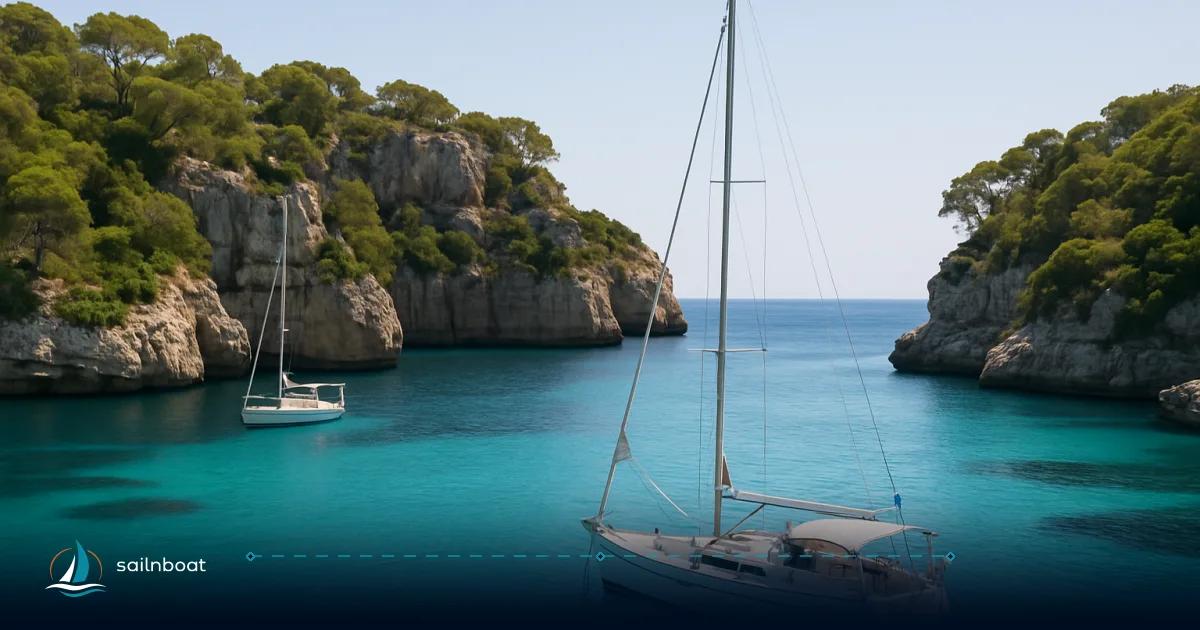
These seven bays come up time and again from Mediterranean sailing crews who want more than a quick swim: these are the anchorages where you can reliably stop, swim, and get a good night’s sleep—if you pick your spot, season, and ground tackle carefully. Each one has its own hazards, booking quirks, and environmental rules. Here’s what you need to know to make the right call.
Faros Bay, Polyaigos
Unique Features and Attractions
Faros is the largest sheltered cove on uninhabited Polyaigos, a Cycladic island east of Milos. You get a broad, turquoise anchorage under high limestone cliffs, a solitary lighthouse, and the kind of clear water that makes for easy snorkelling close to shore. The island is uninhabited—no bars, no restaurants, no shops, not even a jetty. Most visitors are private yachts or day-cruise boats.
Mooring, Fees, and Hazards
The holding is good on sand in the inner bay, with anchor depths typically 3–7 m. There are no mooring buoys or marina services here—anchoring is the norm and usually free. You need to bring all provisions, water, and spares; the nearest options are Pollonia or Adamas on Milos.
Polyaigos is exposed to strong northerlies, especially in early summer and late August. Set at least 4:1 (preferably 5:1) scope, and be ready to reset if the forecast shifts. Watch for sudden depth changes—there are shelves near the cliffs and occasional submerged rocks on the east side. No waste disposal facilities: you must pack out all rubbish and manage blackwater on board.
Environmental Rules
There are no formal posidonia restrictions here, but you should avoid anchoring on visible weed patches. Open fires and any waste dumping are prohibited. Confirm with the Milos port authority for any seasonal changes.
Booking and Contacts
No reservations are needed or possible for Faros. For emergency or local updates, contact Milos municipal port authority (VHF 12/16) or Pollonia port police.
Best Time to Visit
May–June and September offer the calmest conditions and far fewer day-trippers than July–August, when the Meltemi may blow. Late September often gives warm water and emptier anchorages.
Nearest port for services: Pollonia or Adamas (Milos) for fuel, water, and spare parts.
Anse de Roccapina, Corse
Unique Features and Attractions
This cove on Corsica’s southwest coast is known for the “Lion of Roccapina” rock and pink granite headlands. You get a long sandy beach, small amphitheatre, and a short hike up to panoramic viewpoints. No commercial development, just a seasonal beach hut.
Mooring, Fees, and Hazards
Anchoring is allowed in sheltered parts of the bay, usually in 3–6 m on sand. Watch for posidonia patches and submerged rocks, especially to the east. Depths drop below 3 m near the beach—don’t risk the inner shallows unless you have local knowledge. There are no marina berths or buoy fields here, and anchoring is usually free. Nearest full-service marinas are Propriano or Pianottoli-Caldarello.
The bay is open to westerly swell. If strong W–SW winds are forecast, this anchorage can become rolly and holding may deteriorate—consider a stern line to shore in lighter winds.
No blackwater discharge is permitted. Waste must be retained on board until you reach a port.
Environmental Rules
Corsica has active posidonia protection: always anchor in sand, not weed. Waste disposal is only available in harbours—no bins on the beach.
Booking and Contacts
No reservations are possible. For information or emergencies, contact Propriano (VHF 9) or Pianottoli-Caldarello harbour master.
Best Time to Visit
June and September avoid the peak crowds and still offer warm water. Early summer tends to have calmer seas than late August and September, when westerly blows are more common.
Nearest provisioning: Propriano or Figari/Pianottoli-Caldarello.
Alimnia (Alimia), Rhodes
Unique Features and Attractions
Alimnia, between Rhodes and Halki, offers a quiet, mostly deserted anchorage with ruins, a Venetian/Italian fortress, and clear water. The main bay has two arms with archaeological remains and good snorkelling.
Mooring, Fees, and Hazards
There are several small anchorages within Alimnia’s bay. Depths range from 3–12 m in the arms, to 12–18 m in the centre. Holding is good on sand or sand/weed. No marina, no formal moorings, and anchoring is usually free. Occasionally, you’ll find old mooring lines on the seabed—avoid using them unless you’re certain of their condition.
The approach is straightforward but keep watch for rocks off the northwest entrance. Sudden depth changes near the headland—go slow and use your sounder.
No waste facilities: bring all rubbish back to Rhodes. Blackwater discharge is not permitted.
Environmental Rules
No specific posidonia rules here, but always anchor in bare sand when possible. Fires are banned.
Booking and Contacts
No reservations needed. For support, contact Rhodes marina/port authority (VHF 12/16).
Best Time to Visit
May–October is the main season. To avoid the Meltemi’s peak (July–August), target early June or September for calmer nights.
Nearest services: Rhodes (marinas and commercial ports).
Cala Saona, Formentera (clarified from Dos Mares)
Unique Features and Attractions
Cala Saona is the most recognised anchorage on Formentera’s west coast, known for shallow turquoise water, a sandy bottom, and easy access to the beach. The bay is broad and gently shelving, making it suitable for families and crews who want to swim or dinghy ashore. The area is part of the Ses Salines Natural Park, with strict environmental rules.
Mooring, Fees, and Hazards
Anchoring in Cala Saona is only permitted in sandy areas—anchoring on posidonia seagrass is banned and actively enforced with fines. Official mooring buoys are deployed from roughly June to September, and you must use them if available. Depths range from 2–5 m in the main sandy area, shelving gently. In high season, book a buoy in advance via the official Ports de les Illes Balears website or reservation phone line (multi-lingual, but reservation slots fill quickly in July–August).
Cala Saona is exposed to SW swell and can get rolly with a fresh Libeccio or after a long fetch. Rocks fringe the north and south approaches—stay mid-bay on entry and consult your plotter.
No blackwater discharge at anchor. Waste bins are available ashore but expect to carry most rubbish off-island.
Environmental Rules
Anchoring on posidonia is strictly prohibited (heavy fines). Use only sandy patches or official mooring buoys. No open fires or waste dumping.
Booking and Contacts
Book mooring buoys via the official Ports de les Illes Balears reservation portal or by phone. For emergencies, contact La Savina port (VHF 9/16).
Best Time to Visit
Late May–early June and September provide the best chance of calm conditions and fewer crowds. High summer is extremely busy and bookings are essential.
Nearest provisioning: La Savina (Formentera’s main port).
Cala Brigantina, Palmarola (Ponza group)
Unique Features and Attractions
Cala Brigantina is a classic small cove on Palmarola—white cliffs, caves, and turquoise water. No development, just raw landscape, snorkelling, and short walks ashore.
Mooring, Fees, and Hazards
Anchor depths vary: inner coves offer 4–12 m with sand or mixed sand/rock holding. In the deeper centre, expect 8–12 m. No marinas or paid moorings—anchoring is the only option and is usually free. In strong S–SW winds (Scirocco), this anchorage is unsafe—move to Ponza or the mainland if the forecast is unstable.
Hazards: submerged rocks near the cave entrances and sudden depth changes near the cliffs. Shore access requires a dinghy; the beach is pebbly and steep.
No waste or blackwater disposal here—carry everything back to Ponza.
Environmental Rules
No formal posidonia restrictions, but always anchor in sand. Fires and rubbish dumping are prohibited.
Booking and Contacts
No reservations possible. For emergency or provisioning, contact Porto di Ponza (VHF 9/16).
Best Time to Visit
Late spring and early autumn are best. July–August can be crowded and riskier in unsettled weather.
Nearest port: Porto di Ponza.
Marina Piccola, Capri
Unique Features and Attractions
Marina Piccola is the iconic south-side bay of Capri, with direct views of the Faraglioni stacks and proximity to the island’s main promenades and beach clubs. The bay is compact and fills early.
Mooring, Fees, and Hazards
Depths range from 4–15 m. The seabed is mixed sand and posidonia—use only established sandy patches for anchoring. Local rental moorings and the small harbour are managed by Capri’s marina administration, and fees usually apply, especially in high season. These can be substantial—often €80–150 per night for a 45-foot yacht in summer, but always check current rates and availability.
To book a mooring or berth, contact Porto Turistico di Capri or a local agent by phone or VHF (channel 71 is often monitored). Booking ahead is strongly advised from May to September.
Arrive early (07:00–09:00) in summer to secure a spot. The bay becomes crowded by mid-morning with day-trip boats and beach club tenders. Holding can be variable—be ready to reset if your hook drags.
No blackwater discharge permitted at anchor; waste bins are available at Marina Grande.
Environmental Rules
Anchoring on posidonia is prohibited. Waste and blackwater disposal only at ports.
Booking and Contacts
Book berths/moorings by contacting Porto Turistico di Capri (phone/website; VHF 71). For emergencies, Marina Grande port (VHF 12/16).
Best Time to Visit
May–June and September offer a balance of accessible services and lighter crowds. Avoid July–August peak if you want any privacy or anchoring space.
Nearest provisioning: Marina Grande (Capri’s main port).
Agia Anna, Amorgos
Unique Features and Attractions
Agia Anna is a small pebble cove below the monastery of Panagia Hozoviotissa, famous for its cliffside setting and deep blue water. It’s compact and popular with day-trippers.
Mooring, Fees, and Hazards
Anchoring is possible just off the cove, in sandy or mixed bottom at 4–8 m, but depths drop off quickly and the anchorage is exposed to NE winds. There are no formal mooring fields and no fees are usually charged, but the space is tight and swing room is limited. In summer, expect congestion and be very conservative with your swing radius.
Hazards: submerged rocks near the cliffs, frequent swell from passing ferries, and limited holding close to the shore. No facilities ashore—plan to bring all supplies.
No blackwater or rubbish disposal on site—carry out everything.
Environmental Rules
No specific posidonia rules, but fires and waste dumping are banned. Most of Amorgos’ coastline is under local protection ordinances.
Booking and Contacts
No reservations required. For updates, contact Katapola port authority (VHF 12/16).
Best Time to Visit
Late spring and September are quietest. July–August is very crowded both ashore and afloat.
Nearest provisioning: Katapola or Aegiali (Amorgos’ main ports).
Environmental Rules and Blackwater/Waste Disposal by Bay
| Bay | Posidonia/Anchoring Ban | Blackwater/Waste Disposal | Booking Needed? |
|---|---|---|---|
| Faros (Polyaigos) | Avoid weed patches | Carry out all waste | No |
| Roccapina (Corsica) | Anchor only in sand | Carry out all waste | No |
| Alimnia (Rhodes) | Avoid weed, use sand | Carry out all waste | No |
| Cala Saona (Formentera) | Anchoring on posidonia banned; use buoys | Carry out all waste; bins ashore | Yes (buoy, peak season) |
| Cala Brigantina (Palmarola) | Prefer sand, avoid weed | Carry out all waste | No |
| Marina Piccola (Capri) | Anchoring on posidonia banned; use sand/moorings | Ports only | Yes (high season) |
| Agia Anna (Amorgos) | Avoid weed, use sand | Carry out all waste | No |
Booking Managed Moorings and Buoys: Step-by-Step
- Formentera (Cala Saona):
- Go to the Ports de les Illes Balears reservation portal or call the published number.
- Select “Cala Saona” and your desired dates.
- Enter vessel details (LOA, draught, registration).
- Pay the fee online (typically €30–60/night for a 40–45 ft yacht in high season).
- Print or save confirmation; display as instructed.
- Moor to the assigned buoy on arrival.
- Capri (Marina Piccola):
- Contact Porto Turistico di Capri by phone or VHF 71 well ahead of arrival.
- Ask for mooring/berth availability and confirm rates.
- Provide vessel details and ETA.
- Confirm your reservation and follow marina instructions on approach.
- Corsica, Milos, Amorgos, Palmarola:
- No advance booking for anchorages—just arrive, but always check forecast and have a backup if full.
Quick Reference Comparison Table
| Bay | Country/Region | Typical Anchorage Depth (m) | Best Season | Nearest Provision Port | Environmental Rules (see above) |
|---|---|---|---|---|---|
| Faros (Polyaigos) | Greece (Cyclades) | 3–7 (sand) | May–June, Sept | Pollonia/Adamas (Milos) | See table above |
| Roccapina (Corsica) | France (Corsica) | 3–6 (sand), <3 (shallow) | June, Sept | Propriano/Pianottoli | |
| Alimnia (Rhodes) | Greece (Dodecanese) | 3–12 (cove), 12–18 (open) | May–Oct | Rhodes | |
| Cala Saona (Formentera) | Spain (Balearics) | 2–5 (sand, buoy field) | May–June, Sept | La Savina | |
| Cala Brigantina (Palmarola) | Italy (Pontine Is.) | 4–12 (sand/rock) | Late spring, autumn | Porto di Ponza | |
| Marina Piccola (Capri) | Italy (Campania) | 4–15 (sand/mooring) | May–June, Sept | Marina Grande (Capri) | |
| Agia Anna (Amorgos) | Greece (Cyclades) | 4–8 (sand, limited room) | Late spring, Sept | Katapola/Aegiali (Amorgos) |
Safety, Rules, and Practical Checklist
- Charts & Depth Sounder: Always check updated charts and use your sounder—abrupt depth changes and submerged rocks are common.
- Posidonia and Reserves: Many Mediterranean parks ban anchoring on seagrass. Use official buoys or anchor in sand only—fines for non-compliance are enforced.
- Local Enforcement and Fees: Mooring fields, municipal rules, and seasonal bans vary—contact the local port authority or capitainerie on VHF before arrival.
- Weather Windows: Watch for dominant local winds: Meltemi (Aegean, N–NW), Scirocco/Libeccio (central Med, S–SW), and local thermals. Set extra chain for gusty forecasts.
- Shore Lines: In tight coves, bring a stern or shore-tie and enough chain to reduce swing. Be ready to re-anchor if the wind shifts.
- Blackwater/Waste: Discharge is banned in all these anchorages. Use holding tanks and dispose of waste at ports.
Emergency Protocols and VHF Channels
- Greece: VHF 12/16 (port authorities, emergencies)
- Italy: VHF 9/16 (harbours), VHF 71 (Capri marina)
- France (Corsica): VHF 9 (capitainerie)
- Spain (Balearics): VHF 9/16 (La Savina, Ports IB)
Final Judgement: Trade-offs and How to Choose
- Solitude and Raw Scenery (Polyaigos, Palmarola): No services ashore. Plan to be fully self-sufficient—top up water and fuel before you go.
- Iconic Scenery with Access (Capri, Ponza): Expect higher mooring fees, crowded anchorages, and the need to reserve or arrive early.
- Environmental Protection (Formentera): Accept managed buoy systems and book ahead in peak months. Anchoring restrictions are actively enforced.
- Provisioning Needs: Choose bays near full-service ports if you need frequent fuel, water, or spares.
- Weather Sensitivity: Avoid exposed anchorages in unsettled conditions; always have a backup plan.
Frequently Asked Questions
Depths vary by bay (typical ranges given per entry); many inner coves are shallow (2–8 m) while open bays can reach >10–15 m—expect sand or mixed sand/posidonia holding and pick your spot to match your rode and draft.
Some bays (notably in the Balearics and protected French/Italian reserves) operate managed buoy fields or local moorings with fees; others allow free anchoring but rules and enforcement vary by country and season.
Late spring (May–June) and early autumn (September) offer the best balance of calm conditions, cooler crowds and full marina services across the Mediterranean.
Each bay entry lists the nearest full-service port—examples: Pollonia/Adamas (Milos) for Polyaigos, Ponza for Palmarola, Propriano/Pianottoli for southern Corsica, and Marina di Capri/Marina Grande for Capri.
Watch seasonal winds (Meltemi, Scirocco, Tramontana), avoid anchoring on posidonia meadows, carry ample chain in gusty or tidal areas, and use shore lines where available in tight coves.
Written by
Sailnboat Editorial
The Sailnboat editorial desk covers yacht and boat chartering worldwide — routes, bases, seasons, boat types, paperwork and the practical costs that decide a trip. We are a charter marketplace, not a boat owner or a local agency: what we sell is judgement and support, so our guides are written to help you make a decision, not to sell you a specific boat. Every guide is checked against live operator and marina data before it goes out.
Fact-checked against live operator and marina data, and published under our editorial standards. Last reviewed: .