Accessible Yacht Charter: Finding and Booking Wheelchair‑Friendly Yachts
A practical, step‑by‑step guide that tells you exactly what to check, who to ask, and what to get in writing when booking an accessible yacht charter for wheelchair users or travellers with reduced mobility.

Identifying Key Features of Wheelchair‑Friendly Yachts
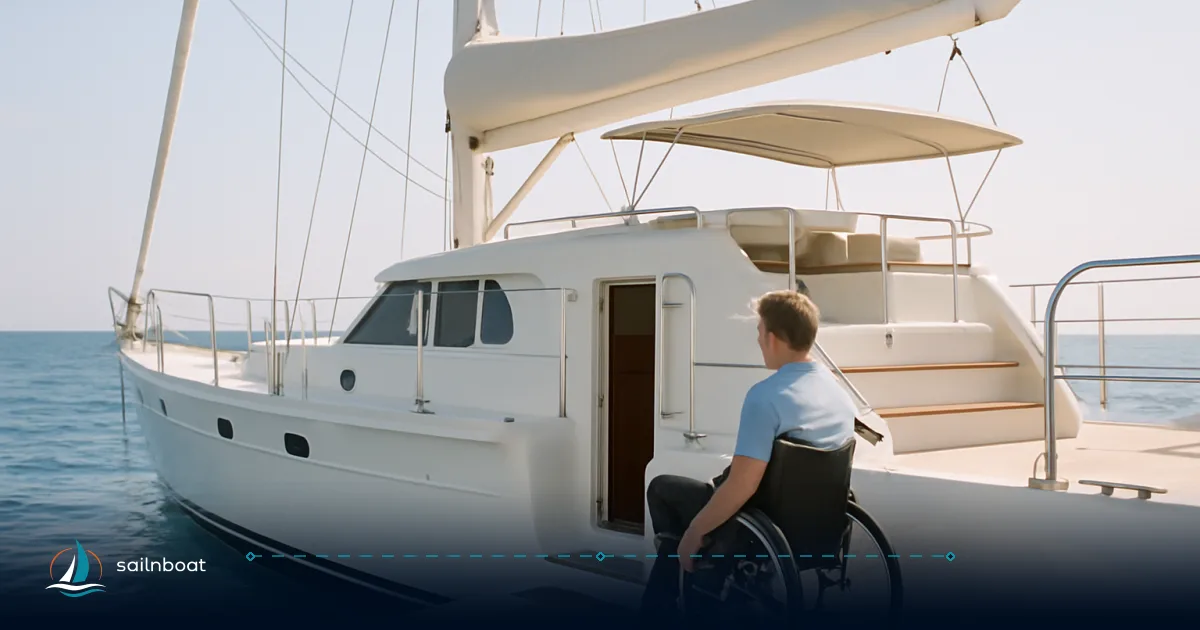
The core principle is translating mobility needs into measurable features. Ask for every detail in numbers and photos: door clearances, step heights, the presence (or absence) of lifts, and how the crew will handle transfers. Many brokers list “accessible” yachts, but unless you confirm the specifics below, the label alone does not guarantee a workable charter.
Essential Yacht Features
- Roll‑on boarding (ramp or platform): Confirm whether boarding is directly from a marina dock (level), by ramp, or only by tender. Request photos of the dock-to-deck gap and the ramp setup. Some day-charter catamarans are built with wide ramps and accessible deck layouts—these are common in major US and EU harbours.
- Main‑deck accessible cabins: Overnight stays typically require a cabin on the same level as the saloon and main deck. Ask for a floor plan with clearances around the bed and direct access to an accessible bathroom.
- Door and corridor clearances: The US ADA standard is a minimum 32-inch (815 mm) door width and 36-inch (915 mm) corridor. Many purpose-built or refitted yachts meet or exceed this, but older or smaller vessels rarely do. Always request measured widths.
- Turning space and bathroom layout: For independent wheelchair use, a 60-inch (1525 mm) turning circle at the entrance to cabins and bathrooms is ideal. Ask for a diagram or video walk-through if possible.
- Elevators/lifts and hoists: Large motor yachts and superyachts may have elevators between decks; check their internal dimensions and load rating. Some accessible catamarans feature hydraulic lifts or hoists for water or tender access.
- Accessible bathrooms: Look for roll-in showers, grab rails, and a toilet with side transfer space. Request photos taken from the doorway, and ask for the threshold height and turning space measurements.
- Tender type and beach-landing equipment: If shore access requires a tender, confirm if it’s roll-on or fitted with a ramp or lift. Some modular landing crafts are designed for wheelchair use. Never assume all tenders are accessible—get explicit confirmation.
- Deck surfaces and thresholds: Even small steps or raised thresholds can be a barrier. Ask about anti-slip surfaces and whether any steps or sills exceed 2–3 cm in height.
Feature Comparison Table
| Feature | What it Enables | Typical Vessels | Trade‑offs / Notes |
|---|---|---|---|
| Ramp / level dock boarding | Roll-on embarkation and disembarkation | Purpose-built catamarans, some day boats, selected motor yachts | Limited to specific marinas; ramp angle varies with tide |
| Elevator / passenger lift | Step-free movement between decks | Superyachts, larger motor yachts | Reduces usable interior space; check lift size/load |
| Main-deck cabin | Overnight without stairs | Motor yachts, some refitted sailing yachts | Fewer guest cabins on main deck |
| Wide corridors & doors (≥32″ clear) | Wheelchair passage, WC access | Larger/refitted yachts | Rare on small traditional yachts |
| Wheelchair-capable tender/landing | Ashore excursions without lifting | Superyacht tenders, modular landing craft | Availability limited by itinerary, weather |
Cost Ranges and Extra Fees
Accessible yacht charters often carry a higher base rate due to modifications, specialist equipment, and crew training. Here’s what to expect:
- Base charter rates: For a 45–55 foot accessible motor yacht in the Mediterranean, expect €8,000–€18,000 per week in high season. Caribbean rates for similarly equipped vessels often start around $10,000–$20,000 per week. Day-charter accessible catamarans (8–12 guests) typically range €1,200–€2,500 per day depending on region and season.
- Additional crew or support: If you require a dedicated care assistant or extra crew member for transfers, expect to pay €150–€300 per day for qualified staff. Some operators include this in the charter rate, others charge separately.
- Special equipment: Hoists, ramps, and medical equipment (e.g., hospital beds, portable lifts) may incur a one-time setup fee, typically €250–€600 depending on the item and installation.
- Shore transfers: Accessible vehicle transfers from airport to marina or for excursions are often billed separately. In major ports, expect €80–€200 per transfer depending on distance and vehicle size.
- Mooring fees: In the Med, marina berths for 45–55 foot vessels run €50–€120 per night in peak season. Some accessible berths are in higher demand and may cost more; always request confirmation from the marina regarding accessible berth availability.
- Insurance: Charter insurance is not always included. For accessible charters, confirm whether coverage is affected by medical equipment, specialist crew, or transfer assistance.
Concrete Examples: Accessible Yachts and Operators
Accessible options are growing, but availability is still concentrated in certain markets. Here are real-world examples:
- Mediterranean:
- Catamaran “Suncat” (various bases, Spain/France): A purpose-built day-charter catamaran with roll-on boarding, accessible toilets, and wide decks. Operates in Barcelona and French Riviera.
- Motor Yacht “Ocean Independence” fleet (Mediterranean-wide): Several 30m+ yachts in their portfolio feature elevators, main-deck cabins, and accessible bathrooms. Request yacht-specific layouts and measurements.
- Caribbean:
- Catamaran “Impossible Dream” (Florida/Caribbean): Designed by and for wheelchair users, features hydraulic boarding ramp, accessible cabins, and roll-in bathrooms. Popular for both day and live-aboard charters, with crew trained in disability awareness.
- United States:
- Sail to Prevail (Newport, RI): Operates accessible sailing yachts with adaptive seating and transfer systems for day charters.
- Accessible Adventures (Miami): Catamarans and pontoon boats with level boarding, accessible WC, and experienced crew.
Availability and features change, so always verify the current configuration and training with the operator before booking.
Assessing Crew and Shore‑Access Needs
An accessible yacht is only as usable as its crew’s experience and the shore facilities you’ll use. Both matter as much as the vessel’s layout.
Crew Training and Experience
- Disability-awareness training: Ask directly if the captain and crew have completed any formal disability-awareness or manual handling training. Many reputable operators provide this for at least one crew member.
- Transfer responsibility: Clarify who will assist with transfers—some crews have policies restricting lifting for safety, so don’t assume assistance will be available unless specified.
- Request recent references: Ask for references from guests with similar needs. Reputable operators will provide these on request.
- Test the procedure: Before paying your final balance, request a video demonstration or a chance to rehearse the full boarding and transfer sequence.
Shore‑Access Considerations
- Marina accessibility: Major marinas in Western Europe, North America, and Australia often have accessible pontoons and ramps, but small, private, or rural docks may not. Always confirm dock type, ramp angle, and whether the berth is accessible at all tides.
- Tender transfers: Not all powered wheelchairs fit on tenders, and battery type may be an issue (especially for lithium-ion batteries, which have transport restrictions). Get the tender model, ramp/lift details, and weight limits in writing.
- Weather and tide: Even a technically accessible ramp can become unusable with a large tidal range or rough weather. Have a backup plan for alternate marina or timing.
Obtaining Reliable Accessibility Confirmations
Treat accessibility as a measurable contract term, not a casual promise. Insist on written, dated evidence and a contractual rider.
Best Practices for Confirmation
- Accessibility pack: Request deck plans, photos, and measured clearances (doors, corridors, cabin, bathroom, lift). Include tender specs and transfer procedures.
- Video demonstration: Ask for a recent, date-stamped video showing a wheelchair boarding at the intended marina.
- Accessibility rider: Add a signed rider to your charter contract listing all agreed accessibility features, crew assistance terms, and remedies if these are not provided.
- References: Speak to at least two recent guests with similar needs.
- Insurance and medical: Confirm insurance covers any required assistance, equipment, and medical evacuations. Check whether you need to arrange supplementary travel or medical insurance.
- Local port checks: For each stop, contact the marina or port authority to confirm dock access and accessible facilities.
Sample Checklist (for your email to the base)
- Which cabin is reserved for our party, and is it on the main deck?
- Provide door clear opening widths (cm/in) for cabin and bathroom doors.
- Send recent photos of the boarding ramp at our arrival marina, showing ramp angle and gap.
- Confirm lift/elevator model, internal dimensions, and load rating.
- Confirm tender model, ramp/lift, max wheelchair size/weight.
- Confirm crew disability-assistance training and who will assist with transfers.
- Provide references from previous accessible charters.
Sample Accessibility Rider Template
Below is a sample outline for an accessibility rider to attach to your charter contract. Adapt this list to your party’s needs:
Accessibility Rider – Charter Agreement Addendum
- Boarding method: Level dock boarding at [Marina Name] with ramp, max gap/step: [cm/in].
- Cabin: [Designated cabin name/number] on main deck, door width: [cm/in], en-suite bathroom.
- Bathroom: Roll-in shower, grab rails, threshold height: [cm/in], turning space: [cm/in].
- Elevator/lift: [Model], internal dimensions: [cm × cm], max load: [kg], serves decks: [list].
- Tender: [Model], roll-on ramp/lift, max wheelchair size/weight: [cm/kg].
- Crew assistance: [Number] crew with disability-awareness/manual handling training; [names/roles] responsible for transfers.
- Remedies: If any agreed feature is unavailable, operator will [remedy: e.g., provide alternative vessel, refund, or compensation].
- References: Operator to provide contact details for two previous clients with similar accessibility needs.
Both parties to sign and date this rider.
Certifications and Standards for Accessible Yacht Charters
There is no single international certificate for accessible yachts. Instead, look for:
- Broker/operator claims: Many brokers tag vessels as “wheelchair-friendly” and will specify modifications. Always validate with measurements and photos.
- Crew training: Ask for evidence of disability-awareness training or manual handling certification.
- National regulations: Rules for passenger vessels differ by country; smaller pleasure yachts are often exempt from commercial standards. Always clarify what is required by law versus what the operator provides in practice.
Treat any “accessible” label as a starting point—never as a guarantee.
Regional Differences in Accessibility
- Mediterranean: Major marinas in Spain, France, Italy, and Greece generally offer accessible berths and ramps, but accessibility outside main ports is less consistent. Many local operators focus on day charters with purpose-built catamarans.
- Caribbean: Accessibility varies widely. Major hubs like St. Martin, USVI, and the Bahamas have some accessible marinas and vessels, but smaller islands may lack facilities. Purpose-built accessible yachts are rare but do exist (see “Impossible Dream”).
- United States: East Coast and Florida have the highest density of accessible day-charter boats and marinas, particularly in cities with ADA-compliant infrastructure. Live-aboard options are limited but growing.
- Australia/New Zealand: Some accessible day-charter catamarans operate in Sydney Harbour and Auckland, but overnight accessible charters are rare.
Always confirm dock and marina conditions for each stop on your route.
Booking and Practical Considerations
- Timing and itinerary: Limit your itinerary to ports with confirmed accessible docks or marinas. This may mean longer transits and fewer anchorages.
- Cost trade-offs: Purpose-built or heavily modified yachts often cost more, and specialist crew or equipment incur extra fees.
- Day charters vs. live-aboard: Accessible day charters are more common; overnight options require more planning and may restrict group size or layout flexibility.
- Medical needs: Confirm refrigeration for medication, crew awareness of emergency plans, and the location of nearest medical facilities at each stop. Carry written instructions and emergency contacts.
- Insurance: Check that charter insurance covers medical emergencies, equipment, and any additional crew. Many policies exclude certain devices or assistance—read the fine print and consider supplementing with travel medical insurance.
Final Checks Before Departure
- Re-confirm all measurements and boarding plans 72–48 hours before embarkation. Get the name and mobile of the dockside contact.
- On arrival, ask the crew to rehearse the transfer and boarding process before others board.
- Ensure the accessibility rider is attached to the contract and signed by both the captain and charter manager.
Start Your Accessible Yacht Charter Plan
Begin by listing your guest’s mobility needs in detail. Shortlist vessels and operators who provide measured, photo-documented evidence of features. Always insist on a written accessibility rider before paying the balance.
Frequently Asked Questions
Ask for door widths (minimum 32 inches/815 mm), corridor widths (minimum 36 inches/915 mm), turning space in cabins and bathrooms (ideally 60 inches/1525 mm), and threshold heights (no more than 2–3 cm). Request photos and floor plans showing these details.
For a 45–55 foot accessible motor yacht in the Mediterranean, expect €8,000–€18,000 per week in high season; Caribbean rates for similar vessels start around $10,000–$20,000 per week. Day-charter accessible catamarans usually range from €1,200–€2,500 per day.
Plan for additional crew or care assistants (€150–€300 per day), special equipment setup fees (€250–€600), accessible vehicle shore transfers (€80–€200 per transfer), and marina berths (€50–€120 per night for 45–55 foot vessels in peak season).
Request a written accessibility pack with measurements, photos, and tender specs; ask for a recent video demonstration of boarding; require an accessibility rider in your contract; and speak with at least two recent guests with similar needs.
Accessible yachts and marinas are concentrated in major ports in the Mediterranean, Caribbean, and US East Coast. Availability is limited in smaller islands and rural areas, so always verify dock and marina conditions for each stop.
Confirm that at least one crew member has disability-awareness or manual handling training, clarify who will assist with transfers, and ask for references from previous accessible charters.
Written by
Sailnboat Editorial
The Sailnboat editorial desk covers yacht and boat chartering worldwide — routes, bases, seasons, boat types, paperwork and the practical costs that decide a trip. We are a charter marketplace, not a boat owner or a local agency: what we sell is judgement and support, so our guides are written to help you make a decision, not to sell you a specific boat. Every guide is checked against live operator and marina data before it goes out.
Fact-checked against live operator and marina data, and published under our editorial standards. Last reviewed: .