Bahamas Anchoring Permits: Essential Guide for Charterers
Practical, step‑by‑step guidance on where anchoring permits and fees apply in The Bahamas, how to apply through Click2Clear and ParkPay, and what charterers must do to avoid fines.

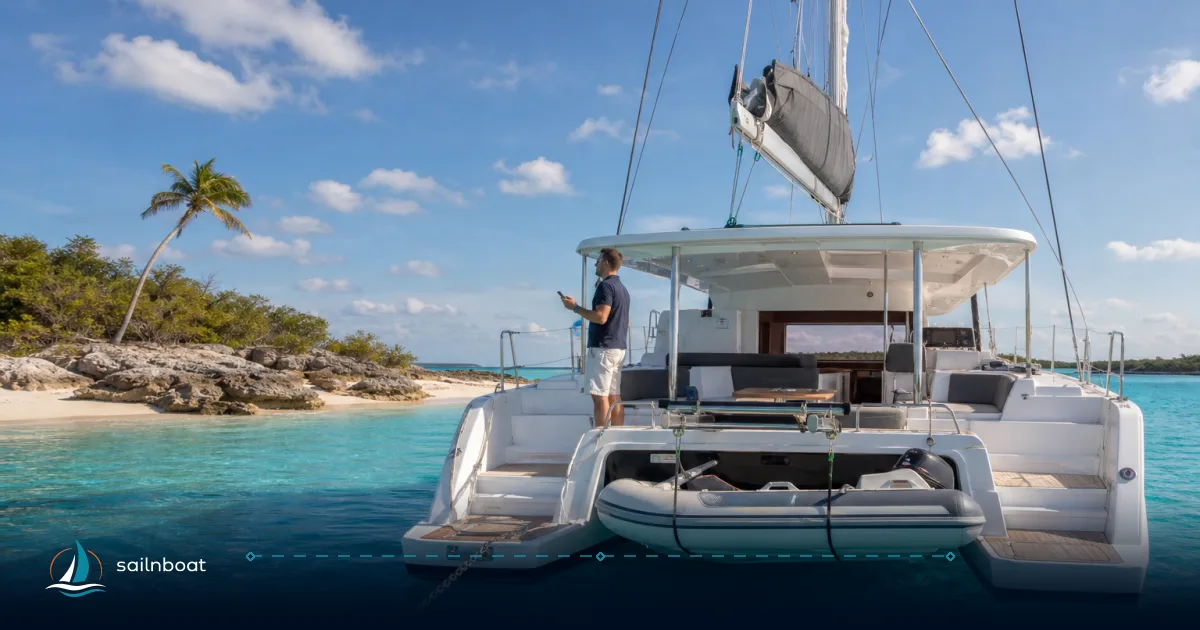
You will usually need to pay for anchoring in Bahamian waters if you anchor outside a marina — and the Exuma Cays Land & Sea Park runs its own mooring/anchorage charges and rules.
Overview of Anchoring Regulations in the Bahamas
The short rule: foreign pleasure vessels must clear in through the Bahamas Customs Cruising Permit process, and if you anchor outside a marina an anchorage fee under the updated Regulations now applies; parks and marine reserves (notably the Exuma Cays Land & Sea Park) run separate mooring/park fees and stricter no‑anchor zones.
What “anchoring permit” means in practice
- The formal vessel clearance comes from Bahamas Customs (the Cruising Permit or the Frequent Digital Cruising Card), filed and paid through the Click2Clear system. If your yacht anchors rather than berths in a marina, an anchorage fee is charged under the amended regulations.
- Protected areas (national parks / marine reserves) enforce separate rules: mooring balls may be mandatory, anchoring on coral is forbidden, and park wardens can issue fines or deny access. The Bahamas National Trust enforces Exuma Park rules and collects park mooring/anchorage fees via ParkPay.
Areas that commonly require a permit or fee
- The whole archipelago is covered by the national cruising/anchorage fee framework (anchorage fee applies where you anchor outside a marina).
- The Exuma Cays Land & Sea Park has its own mooring fields and daily visitor fees; inside the park there are areas where anchoring is prohibited.
How to Apply for an Anchoring Permit
Follow these steps precisely; doing so prevents on‑arrival delays and fines.
Application Process and Required Documentation
- Pre‑file in Click2Clear: create a Click2Clear entry and complete the Cruising Permit/Inward Declaration module, attaching vessel documents (registration/title), passenger manifests and the Maritime Declaration of Health where requested. Click2Clear is the Customs Department’s online system used for pleasure vessel clearance.
- Pay the permit(s): pay the cruising permit fee and, if you will anchor (not use a marina), the anchorage fee in Click2Clear or at the Port of Entry. The permit is not legalised until a Customs officer stamps it at a designated Port of Entry. Only the master may leave the vessel until officers have cleared everyone.
- Present at a designated Port of Entry: arrive at one of the official Ports of Entry (Nassau, George Town/Exuma entries, Freeport/Grand Bahama, Bimini, points in the Abacos, etc.), present passports and printed Click2Clear confirmation, and obtain the stamped cruising permit. Bahamas Customs maintains the Ports of Entry list and requires physical presentation to finalise clearance.
- Keep receipts and the stamped permit aboard: park wardens and Customs/Port officers may request proof of payment for anchorage or park fees; keep the Click2Clear/permit printout and any ParkPay receipts accessible.
What to carry with you
- Passports for everyone aboard; vessel registration/title; proof of insurance and any skipper qualifications your charter operator requires. Larger vessels (over 50 ft) must have AIS fitted and transmitting.
Fees Associated with Anchoring Permits
The Bahamas restructured fees effective 1 April 2026. Two separate fee families matter to most charterers: cruising permit fees (the permit that covers vessel clearance) and the anchorage fee (charged if you anchor rather than berth in a marina). The Ministry of Tourism and Bahamas Customs published the April 2026 schedule; use it for budgeting but expect governments to adjust fees.
Quick comparison table (30‑day permit and anchorage fees)
| Vessel length | 30‑day cruising permit (USD) | 30‑day anchorage fee (USD) — anchors outside marina |
|---|---|---|
| ≤ 30 ft | $150 | $50 |
| 31–50 ft | $250 | $100 |
| 51–100 ft | $350 | $100 |
| >100 ft | $600 | $200 |
(The government also publishes 6‑month, 12‑month and FDCC two‑year fees and longer anchorage bands; the anchorage fee is charged only if you anchor rather than use a marina.)
Payment methods and timing
- Click2Clear accepts online payment for cruising permits and related fees; marinas sometimes accept payment in cash on arrival and will arrange Customs attendance. Filing in Click2Clear before arrival speeds the process, but the stamped permit is only issued after in‑person presentation to a Port of Entry. Expect payment processing and Customs attendance to take from minutes up to an hour depending on port workload.
Anchoring Rules in the Exumas and Exuma Cays Land & Sea Park
The Exuma Park enforces additional protections to safeguard coral, seagrass and fisheries; these rules affect where you can anchor and when you must take a mooring ball.
Mooring Field Locations and Restrictions
- Mooring fields and mooring balls in the Exuma Cays Land & Sea Park are concentrated at key cays (Warderick Wells, Shroud Cay, Hawksbill, Cambridge and a few others). Moorings are limited and operate on a first‑come, first‑served basis; paying in advance via ParkPay does not reserve a ball. You must not anchor inside designated mooring fields or on coral.
- Where mooring balls are unavailable you anchor outside marked mooring fields in suitable sand or grass bottom only — avoid coral and dense seagrass. Inside the park vessels (including tenders) must operate at idle speed in mooring fields or anchorage areas.
ParkPay and daily park fees
- The Bahamas National Trust collects mooring and park visitor fees for Exuma Park through its ParkPay (PayExumaPark) platform; fees are charged per vessel and vary by vessel type and length (charter vs private rates differ). The park accepts payment via ParkPay and at the Warderick Wells office when open. Note that paying does not guarantee a mooring ball.
Practical mooring facts
- Expect only a modest number of balls across the park’s fields — plan to anchor most nights outside the few well‑maintained balls. Call the park office on VHF channel 09 (“Exuma Park”) for warden advice and current mooring availability; the Warderick Wells office keeps limited hours and provides water and basic services.
Practical Tips for Charterers to Avoid Fines
Follow these operational steps — they remove the usual sources of friction.
Best Practices for Anchoring
- Pre‑file with Click2Clear: complete the Cruising Permit/Inward Declaration and pay in advance where possible. That reduces time alongside for Customs and Immigration on arrival.
- Decide marina vs anchor before you leave: if you intend to use marinas for the whole trip you will typically avoid the anchorage fee; if you expect to anchor out, include the anchorage fee in your budget. The anchorage fee applies to vessels that do not use a marina during their permitted stay.
- Carry proof of payment: keep Click2Clear and ParkPay receipts ready. Park wardens and Customs officers commonly ask to see receipts; they are your defence against on‑the‑spot penalties.
- Respect park no‑anchor zones and mooring‑only fields: anchoring inside mooring fields or on coral risks fines and damage to the environment. Use mooring balls where provided and anchor only on sand/grassy bottoms otherwise.
- Maritime safety: use proper scope (7:1 is a baseline) and check holding before leaving the cockpit; hurricane season carries special risks and responsibility for a secure plan. These are seamanship essentials, not substitutes for compliance.
Avoiding denial of entry or fines — a checklist
- File Click2Clear before you arrive and keep the reference/receipt.
- Clear at a designated Port of Entry and get the stamped permit before passengers go ashore.
- Pay the anchorage fee if you will anchor out (not stay at a marina) and keep proof aboard.
- Pay Exuma Park fees via ParkPay for stops inside the Exuma Cays Land & Sea Park and obey warden instructions on moorings.
Resources for Customs Clearance and Local Agents
Who to contact and where to get help.
Customs clearance resources
- Bahamas Customs / Click2Clear: use the Cruising Permit module in Click2Clear to file your inward declaration and to pay cruising and anchoring fees; final legalisation happens in person at a designated Port of Entry. Pre‑filing speeds the process.
- Official Ports of Entry list: the Bahamas publishes a Ports of Entry list grouped by island chain — clear at one of these designated ports (Nassau, George Town/Exuma, Freeport/Grand Bahama, Bimini, Marsh Harbour/Abacos and more). If your intended base (e.g., Staniel Cay) is not on the list, clear at the nearest listed port before proceeding.
Park and mooring resources
- Bahamas National Trust / Exuma Park: ParkPay handles mooring and park fees; Warderick Wells is the park headquarters (call “Exuma Park” on VHF 09 for warden advice). Park rules (no‑take, no anchoring in mooring fields, idle speed in mooring areas) are enforced by the Trust.
Local agent contacts — who helps and when to use them
- Marina agents and clearing agents: most charterers find a marina agent or local clearing agent in Nassau or George Town useful for arranging Customs/Immigration attendance, paying fees on arrival, and managing paperwork. Agents also help with ParkPay issues and can advise where moorings are likely to be free that day. This is common practice and saves time if your arrival is outside normal office hours.
- How to choose an agent: work with agents recommended by your charter base or the marina you’ll use; ask upfront if they will handle Click2Clear filings, arrange Customs attendance, and process ParkPay receipts. Fees for agent services vary — expect a modest clearing fee for Customs attendance outside standard hours.
Final operational notes
- Tenders over 25 ft, fishing permits, passenger taxes and other ancillary permissions are charged separately under the 2026 rules; budget accordingly and check the latest schedule before departure.
- Keep physical and digital copies of every receipt and your stamped cruising permit; park wardens and officers routinely ask for them during spot checks.
Start planning your charter in the Bahamas with the right permits Plan which nights you will use marinas and which you will anchor, pre‑file in Click2Clear, budget for the anchorage fee if you anchor outside marinas, and buy ParkPay access for any Exuma Park stops. These three steps — plan, pre‑file, carry receipts — remove most compliance risk and keep your charter on schedule.
Frequently Asked Questions
The national anchorage fee (Reg. 91B) applies to foreign pleasure vessels that anchor outside marinas across The Bahamas; the Exuma Cays Land & Sea Park separately charges mooring/anchoring fees and forbids anchoring in some park areas.
Use the Click2Clear Cruising Permit module to submit your inward declaration and pay the cruising and (if applicable) anchorage fees, then present to Customs and Immigration at a designated Port of Entry for stamping.
Within the Exuma Park you must not anchor in mooring fields or on coral; mooring balls are limited and administered by the Bahamas National Trust via ParkPay, first‑come, first‑served.
Cruising permits and anchorage fees are tiered by vessel length and duration (30‑day, 6‑month, 12‑month or FDCC); the April 2026 schedule sets 30‑day anchorage fees from roughly US$50–$200 depending on length.
Pre‑file with Click2Clear, pay required anchorage/park fees, clear at a designated Port of Entry, fly the yellow Q flag until cleared, carry proof of payment and the stamped permit, and follow park mooring rules.
Bahamas Customs runs Click2Clear for vessel clearance; the Bahamas National Trust manages Exuma Park fees via ParkPay; marina offices in Nassau and George Town and local clearing agents routinely assist with paperwork and payments.
Written by
Sailnboat Editorial
The Sailnboat editorial desk covers yacht and boat chartering worldwide — routes, bases, seasons, boat types, paperwork and the practical costs that decide a trip. We are a charter marketplace, not a boat owner or a local agency: what we sell is judgement and support, so our guides are written to help you make a decision, not to sell you a specific boat. Every guide is checked against live operator and marina data before it goes out.
Fact-checked against live operator and marina data, and published under our editorial standards. Last reviewed: .