Best Day Sailers for Groups: Choosing the Right Boat
Choose the right day sailer by matching your group's size and priorities (stability, standing space, catering and budget). This guide compares day yachts, power catamarans, party boats and larger day yachts and gives the booking questions you must ask.

Best Day Sailers for Groups: Choosing the Right Boat for a Half‑Day or Corporate Charter
Your group’s experience on the water—whether for a half‑day celebration, a team-building event, or a corporate meeting—hinges on picking the right day sailer. The decision comes down to stability, space, and the type of experience you want: relaxed socialising, hands-on sailing, or something closer to a floating venue. This guide details the main vessel types, legal capacity rules, comfort and accessibility features, regional certification differences, embarkation logistics, and the real costs you’ll face. By the end, you’ll know what to ask, what to expect, and how to avoid common booking mistakes.
Understanding Day Sailers and Their Types
The term "day sailer" covers a range of vessels, each with distinct trade-offs in layout, stability, and capacity. Your choice should reflect your group’s priorities and the region you’re chartering in.
Types of Day Sailers
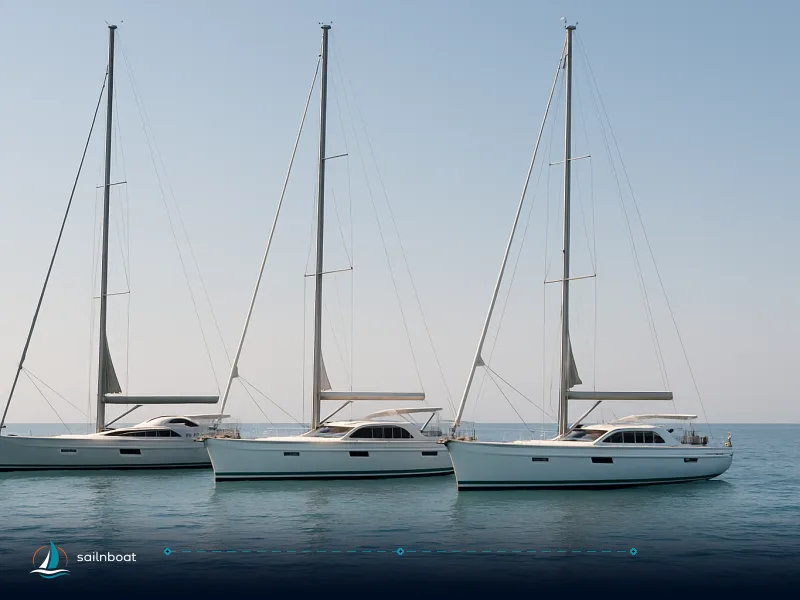
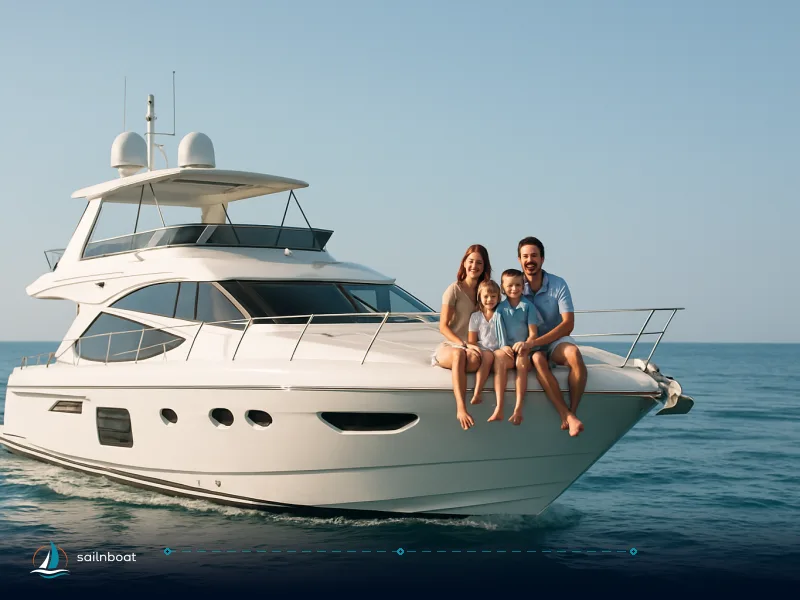
- Day yachts: Usually monohull sailing yachts (e.g., Beneteau Oceanis 38, Jeanneau Sun Odyssey 419) or small motor yachts. These are suited for smaller groups who want a hands-on sailing experience or a more intimate onboard meeting.
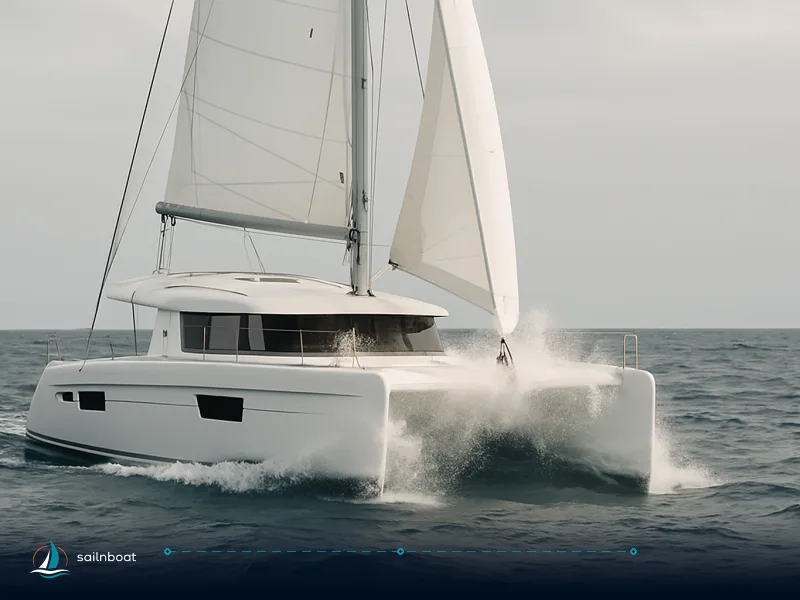
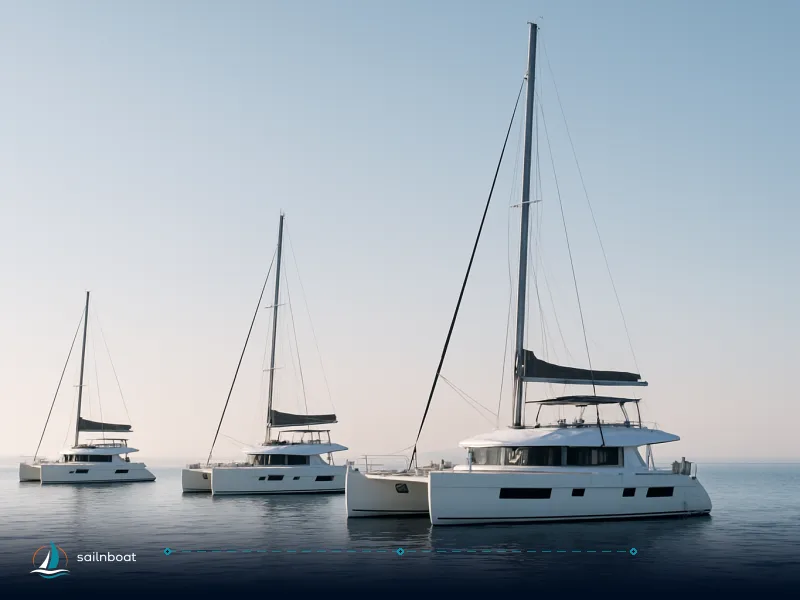
- Power catamarans: Twin-hulled motor yachts offering wide, stable decks and spacious layouts. Models such as Lagoon 40 Motor Yacht or Leopard 43 PC are common, but certified passenger capacity varies by region and operator—some carry as few as 8–12, while larger models may be certified for more.
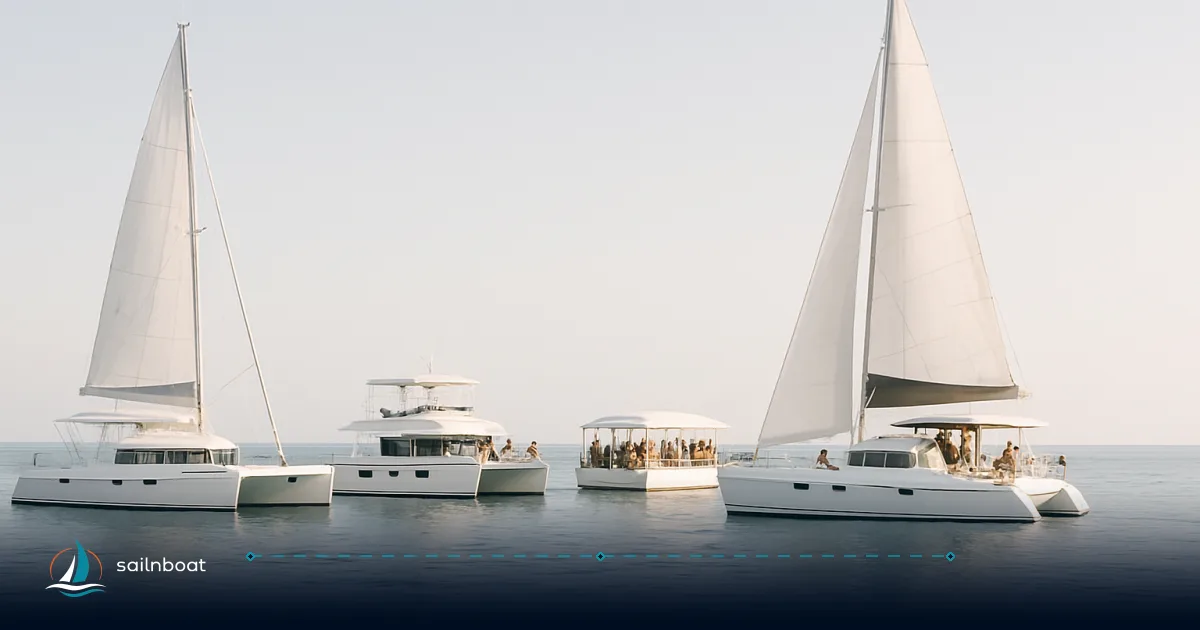
- Party boats / passenger catamarans: Purpose-built or regulated passenger vessels, often with open decks, DJ booths, and multiple heads. Certified capacities can vary widely; some in popular Mediterranean or Caribbean destinations are licensed for 20–50+ guests, but always verify with the operator, as legal limits and inspection regimes differ.
- Larger day yachts: Motor yachts like the Sunseeker Manhattan 66, Azimut 68, or large crewed sailing vessels prioritise amenities—air conditioning, multiple heads, professional galley—and a higher level of service. Certified capacities above 12 are possible but depend on local regulations and vessel coding.
Each vessel type brings different legal, comfort, and operational characteristics. Match your activity—team-building, a swim stop, a product launch, or a client lunch—to the right platform for a smoother charter.
Passenger Capacity and Comfort Features
Capacity Considerations
Legal passenger limits are determined by the vessel’s certification and local authority rules, not just by available deck space.
- Day yachts: Typically certified for 6–12 passengers in Europe and the US. Caribbean operators may occasionally offer slightly higher capacity, but check the vessel’s documentation.
- Power catamarans: Certified capacity varies—some models are licensed for 8–12 guests, while larger, commercially coded cats can accommodate more. Always confirm the certified maximum with your operator.
- Party boats / passenger cats: In the Mediterranean, Caribbean, and US, certified capacities for party cats and large passenger vessels generally range from 20 to 50+ guests, but some regions set stricter limits. Vessels carrying more than 12 are subject to more rigorous inspection and crewing standards.
- Larger day yachts: Some crewed yachts are certified for 12–20+ guests, but above 12, expect more complex certification and inspection requirements. Always clarify if the quoted headcount includes crew.
Booking rule: Never exceed the certified maximum—doing so can invalidate insurance and breach safety regulations, regardless of how much space appears to be available.
Comfort and Accessibility Features
- Seating and layout: Fixed seating, lounge areas, dining tables, and open deck space matter for social flow. Power cats and party boats are best for standing/mingling; day yachts focus on cockpit and saloon seating.
- Sanitary facilities: For half-day outings, one head may suffice for 6–10 guests. For bigger groups or longer trips, confirm multiple heads and whether any are accessible from the main deck.
- Climate control and shade: Air conditioning or enclosed saloons are valuable in hot climates. Look for biminis, awnings, or shaded lounges, especially if your group includes children or older guests.
- Accessibility: If you have guests with mobility challenges, prioritise vessels with accessible boarding, low freeboard, or wide gangways. Some party boats and larger catamarans offer step-free access or ramps—ask for specifics and photos.
- Boarding and dockside logistics: Some marinas have fixed piers with level boarding; others require stepping across a gap or using a gangway. If your group includes anyone with limited mobility, confirm boarding arrangements in advance.
At-a-Glance Comparison Table
| Vessel Type | Certified Capacity (typical range)* | Best For | Comfort Features | Motion Notes |
|---|---|---|---|---|
| Day yacht (monohull) | 6–12 | Small teams, families, sailing | Saloon dining, 1–2 heads | Heels under sail; active motion |
| Power catamaran | 8–20+ | Mixed-ability, stability | Wide decks, lounging, often AC | Stable at anchor; can slam in chop |
| Party boat/passenger cat | 20–50+ | Large events, DJs, celebrations | Open decks, commercial galley, multiple heads | Best in sheltered waters; certified for events |
| Larger day yacht (crewed) | 12–20+ | Corporate, VIP, high-service | Multiple heads, crewed service | Comfortable underway; space for meetings |
*Always use the operator’s certified maximum as your contract value.
Safety and Equipment Requirements
Safety Briefings
A pre-departure safety briefing is standard everywhere. Expect the captain or senior crew to cover:
- Lifejacket location (including child and extra-large sizes).
- Emergency procedures: man-overboard, fire, medical, abandon ship.
- Safe movement on deck, swimming boundaries, alcohol rules.
If a guest misses the briefing, some operators may refuse boarding or require a signature acknowledging this.
Equipment Standards
- Lifejackets: One per passenger, properly sized.
- Life-rafts: Required as per vessel class and local regulations.
- Lifebuoy with retrieval line: Standard on all inspected vessels.
- Communication: VHF DSC radio for coastal trips; EPIRB or PLB on offshore-certified boats.
- First-aid: Well-stocked kit; at least one crew member typically trained in advanced first aid.
- Certification: In the US, carrying more than 6 passengers for hire requires a USCG‑inspected vessel certificated under Subchapter T (or K/H, depending on tonnage and passenger count); in the EU, any passenger‑for‑hire vessel must hold appropriate commercial coding, with survey intervals and paperwork varying by flag state. Caribbean rules are often similar to EU standards but can vary by territory.
Higher-risk activities (swimming, alcohol, water toys) may require additional safety cover—ask your operator what’s included.
Provisioning Options for Group Charters
Catering Services
Provisioning models vary by region and vessel:
- BYO: Smaller boats often allow you to bring your own food and drink. Cleaning or corkage fees may apply.
- Operator packages: Pre-set buffet or plated menus are common for groups. Party boats and larger yachts often include catering—buffets, BBQs, or formal service.
- Private chef: On larger crewed day yachts, a chef can create bespoke menus. This usually increases cost and may involve an advance provisioning allowance (APA) or per-event surcharge.
Ask for sample menus, portion sizes, and timing. For a 3–4 hour charter, lunch is typically served 60–90 minutes in. Confirm how dietary needs are handled, especially for allergies or religious restrictions.
Bar Services
- BYO allowed: Often possible, but check for corkage or permit requirements—especially in the Med and Caribbean.
- Bar packages: Per-person drink packages or open bars are common on party boats and larger yachts. Clarify if soft drinks and water are included.
- Licensing and staff: Certified vessels may have a licensed bar and professional staff; smaller boats tend to offer informal service.
For corporate groups, an operator-managed bar simplifies logistics and compliance.
Embarkation, Mooring, and Dock Fees
Embarkation and Disembarkation Logistics
- Timing: Boarding usually opens 15–30 minutes before departure. For corporate charters, allow extra time for AV setup or presentations.
- Location: Embarkation is typically at a marina or town quay. In the Med, marina access can be private or public; in the Caribbean, expect more open docks and tender boarding in some anchorages.
- Dock access: Some marinas require guest passes or charge for parking. In popular towns, traffic and limited parking can delay group arrivals—plan for this in your schedule.
- Mooring fees: In the Med, expect €40–90 per night for a 45-foot berth in high season; day-stops may be less, but fees still apply for quay use or water/electricity. In the Caribbean and US, mooring or dockage fees are often lower, but premium marinas (especially in major cities or resorts) can charge substantially more.
- Disembarkation: Most charters return to the same dock or marina; if you need a different drop-off, discuss this in advance—fees and logistics may apply.
Regional Differences in Certification, Capacity, and Fees
Legal and Regulatory Context
- EU (Mediterranean): Any vessel carrying passengers for hire must be commercially coded; carrying more than 12 passengers changes the vessel’s status to a passenger ship under SOLAS. The specific coding scheme and survey intervals vary by EU flag state, so request proof of coding appropriate to the intended passenger count.
- US: USCG Subchapter T applies to small passenger vessels carrying more than 6 passengers for hire (generally up to 150 passengers and under 100 GT). Higher passenger counts or larger tonnage are inspected under Subchapter K or H; operating waters affect the permitted route, not the basic passenger threshold.
- Caribbean: Many islands follow EU-style commercial coding, but specific rules and enforcement vary by territory. Always ask your operator about the vessel’s certification and inspection status.
Price and Fee Ranges by Region
- Mediterranean: Charter rates for a 12-person day yacht typically run €400–€700 for a half-day; larger power cats or party boats can be €1,500–€3,000+ per day. Mooring/dockage fees are higher in major ports.
- US: Comparable rates, but USCG-certified vessels for large groups may carry a premium. Dockage in major cities (e.g., Miami, NYC) can easily exceed $200–$500 per stop.
- Caribbean: Rates are often lower than the Med for similar vessel sizes; dockage fees are usually modest, but exclusive marinas (e.g., St. Barts, Virgin Gorda) charge more.
Granular Vessel Recommendations by Group Type
For Families
- Day yachts (monohull or catamaran): Best for 6–12 guests, especially if you want a genuine sailing experience and more private space. Look for shaded cockpits, easy swim access, and child-friendly crews.
- Power catamarans: Good for mixed ages—stable platforms, wide decks, and easy water access. Confirm certified capacity and check for shaded lounging space.
For Corporate or Large Groups
- Party boats / passenger cats: Designed for events, with open decks, sound systems, and professional bar/catering staff. Certified capacity varies by region—always confirm with the operator.
- Larger day yachts: Motor or sailing yachts with space for meetings, presentations, or formal dining. Prioritise those with AV setups, multiple heads, and crewed service.
For Mixed Ages and Accessibility
- Power catamarans and party boats: Wide decks and easier boarding; some offer step-free access or ramps. Confirm with the operator and request photos if accessibility is critical.
Assessing Sea-State Limits and Weather Suitability
Sea-State and Weather Considerations
- Catamarans: More stable at anchor and in light chop; can slam in short, steep seas.
- Monohulls: Heel under sail; some find this more comfortable, others less so.
- Party boats/passenger cats: Typically certified for sheltered waters and subject to stricter weather limits.
Most operators will confirm the weather forecast on the day of your charter and may offer rescheduling or refunds for adverse conditions. Always read the contract for specifics.
Checklist for Weather and Comfort
- Confirm the operator’s weather policy: how and when is a decision made to cancel or reschedule?
- Consider group comfort: sheltered waters and shaded decks are best for mixed groups.
- If possible, keep your date flexible to avoid losing your event to marginal weather.
Cost-Per-Head Considerations for Group Charters
Pricing Structures
- Private charters: Quoted per boat for the event, not per person.
- Shared seat products: Quoted per person—common for scheduled party boat cruises.
Typical Ranges (by region):
| Scenario | Region | Quoted Fee | Guest Count | Cost per Head |
|---|---|---|---|---|
| Private power catamaran (half day) | Med/Caribbean | €1,800 | 12 | €150 |
| Private power catamaran (full capacity) | Med/Caribbean | €1,800 | 20 | €90 |
| Party boat (4-hour event, 40 guests) | Med/US | €3,000 | 40 | €75 |
Extras:
- Fuel surcharge (especially for longer routes or motor yachts).
- Catering/bar packages (per person or flat rate).
- Port or harbour fees (especially for planned stops).
- Crew gratuity (often 10–20% on crewed yachts).
- Equipment or entertainment rental (DJ, water toys, etc.).
If your group is close to the boat’s certified capacity, you’ll get the best per-head value. For smaller groups, consider a shared product or a smaller vessel.
Booking, Contracts, and Final Practicals
- Certified capacity: Confirm the legal maximum in your contract—clarify if it includes crew.
- Documentation: Request the operator’s safety certificate (COI or EU commercial code), day-of contact, menu, and cancellation/weather policy in writing.
- Arrival: Plan for a 20–30 minute check-in. For corporate events, reconfirm AV, power, and presentation space.
- Alcohol and music: Clarify licensing, corkage, and sound system availability. Some marinas have noise restrictions, especially in the Med.
- Insurance: Many operators carry commercial liability, but check if you need to provide guest details or waivers. In the US, a passenger manifest is often required; in the EU, guest lists are standard for coded vessels.
- Guest documentation: Bring a photo ID; non-EU or non-US citizens may need passports for port authorities.
Troubleshooting: Common Booking Issues
- Weather cancellations: Operators may offer a reschedule or refund—check how far in advance this decision is made and if there are fees.
- Guest no-shows or late changes: Most operators set a cut-off for final guest lists (often 24–48 hours before departure). Exceeding certified capacity is never permitted; bringing fewer guests rarely reduces the fee.
- Late arrivals: Arriving late can mean missing the safety briefing or losing your slot—plan to be early.
- Special requests: Dietary or accessibility requirements should be communicated at booking, not on the day.
Next Steps: Booking Your Day Sailer
- Decide group size, preferred date(s), and activity priorities.
- Shortlist vessel types that fit your group—use the comparison table above for a quick match.
- Request quotes, specifying group size, catering/bar needs, and any special requirements.
- Confirm certified capacity, inclusions, weather/cancellation policies, and onboard facilities in writing.
- Arrive early, ready for the safety briefing, and enjoy your charter.
If you’re unsure which day sailer is right for your group, reach out. We’ll walk you through the trade-offs, clarify regional quirks, and make sure your charter runs smoothly—no surprises.
Frequently Asked Questions
Day yachts are typically monohulls focused on style and the sailing experience with smaller guest lists; power catamarans trade heel for wide, stable decks and larger guest capacity, making them a better choice for comfort and mixed-ability groups.
Day yachts usually carry small groups (roughly single‑digits to low‑teens), power catamarans and party cats seat dozens, and purpose‑built party boats often carry 30–50+ depending on certification—always check the operator’s certified passenger number and facilities.
Operators normally run a pre‑departure safety briefing, provide lifejackets for every guest, VHF communications, first‑aid kit and fire extinguishers; vessels carrying over 12 paying passengers will typically be certificated and inspected under local passenger‑vessel rules.
Options range from self‑catered BYO to full plated catering and staffed bars; larger day yachts and party boats commonly offer set catering and bar packages while smaller day yachts often work with local caterers or allow BYO.
Sea‑state suitability depends on hull form and size: catamarans usually feel more stable in choppy water but can slam in short, steep seas; monohulls heel more but may track more predictably—consult the operator for operational limits for the specific boat.
Most day charters are quoted per boat; divide the quoted hull price by your confirmed headcount to calculate per‑person cost—larger groups usually reduce per‑head cost substantially. Budget separately for catering, alcohol and any APA/expense floats on crewed charters.
Written by
Sailnboat Editorial
The Sailnboat editorial desk covers yacht and boat chartering worldwide — routes, bases, seasons, boat types, paperwork and the practical costs that decide a trip. We are a charter marketplace, not a boat owner or a local agency: what we sell is judgement and support, so our guides are written to help you make a decision, not to sell you a specific boat. Every guide is checked against live operator and marina data before it goes out.
Fact-checked against live operator and marina data, and published under our editorial standards. Last reviewed: .