Boat Motor vs Engine: Key Insights for Charter Clients
Clear, practical explanation of 'boat motor vs engine' for charter clients: outboard vs inboard, shaft vs pod drives, plus noise, fuel, maintenance and marina implications.

The practical difference in "boat motor vs engine" matters because it changes where you can go, how loud the boat feels, how much fuel you'll buy, and what the marina or yard will charge if something fails. Read the outboard vs inboard and shaft vs pod comparisons below and you’ll know what to ask at booking, what to inspect at handover, and which power option suits day trips, transfers or longer island-hopping legs.
Understanding Boat Motors and Engines
You’ll see the words "motor" and "engine" used interchangeably in listings; for charter decisions, focus instead on mounting and drive type — outboard (transom-mounted), inboard (engine inside hull) and whether the inboard turns a shaft, sterndrive (I/O), or a pod. Each choice alters draft, service needs, noise and manoeuvrability.
Outboard vs. Inboard Engines
- What they are, simply:
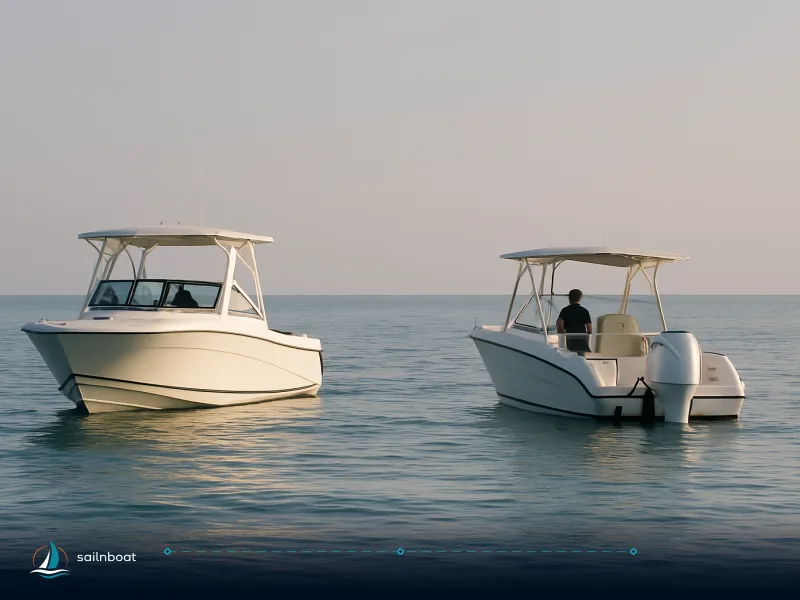
- Outboard: self-contained unit bolted to the transom (powerhead, gearbox and propeller in one). They are common on RIBs, tenders and smaller day boats.
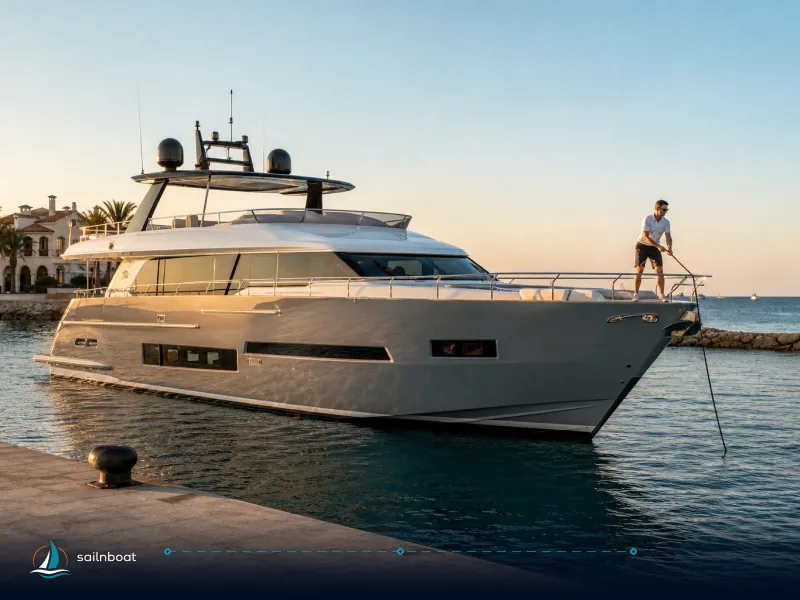
- Inboard: engine sits inside the hull and sends power aft through a shaft or to a sterndrive/pod. Common on motoryachts and larger tenders.
- Advantages and trade-offs:
- Outboards — pros: shallow draft, easy to remove/replace, simpler lower-unit servicing and often cheaper to maintain day-to-day; cons: engines and noise sit aft, transom space is occupied (multiple outboards need a wide transom).
- Inboards — pros: cleaner transom and bathing platform, engines and exhausts tucked inside (often better acoustic comfort underway), higher sustained torque for long passages; cons: deeper draft, more systems to service (shaft seals, cutlass bearing, stern tube), and repairs often need a yard.
- Practical charter takeaways:
- If your itinerary includes shallow anchorages, beach landings with a tender or protected harbours, outboard power widens your options.
- If you plan longer transfers or want quieter cabin life during overnight legs, an inboard installation typically performs better on those metrics.
(Manufacturers and industry testing separate outboard/inboard benefits; use the engine-mount type as your decision point at booking.)
Shaft Drives vs. Pod Drives
- Shaft drive (straight/line shaft): traditional setup — engine → gearbox → long prop shaft → propeller. It’s robust, widely understood in yards, and parts/technicians are common.
- Key maintenance items: shaft seal or dripless system, cutlass bearing(s) and coupling/alignments; these are typical haul‑out inspection items.
- Pod drives (steerable pods, e.g., Volvo Penta IPS, Zeus):
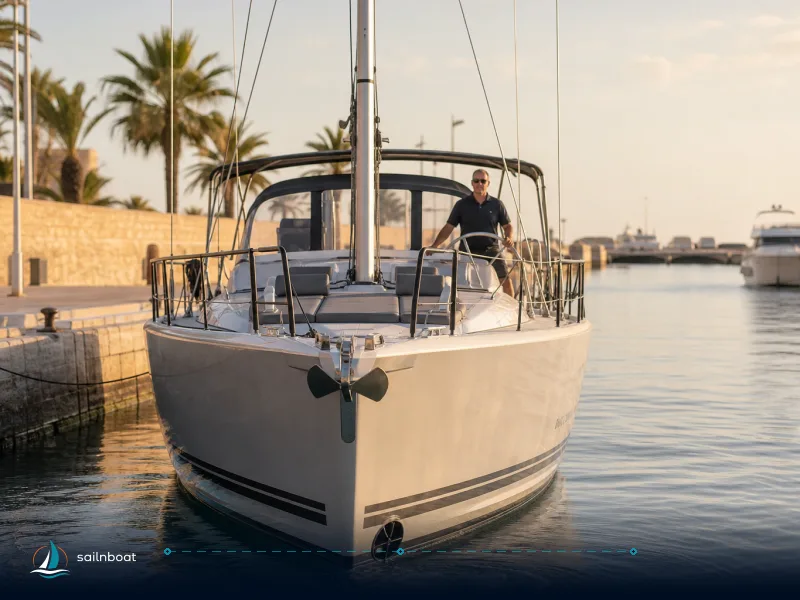
- How they work: each pod contains gearing and propellers, and the entire pod steers to direct thrust. Some systems (like IPS) use forward-facing (pulling) props, while others (like Zeus) use aft-facing (pushing) props. Both types provide steerable thrust, reducing or eliminating the need for traditional rudders.
- Benefits for charterers: notably improved manoeuvrability at low speed and when docking, reduced vibration and perceived noise, and manufacturer-claimed fuel/range gains versus conventional shafts — manufacturers report fuel savings and range gains in the order of tens of percent at cruise.
- Trade-offs: pods are mechanically more complex and typically need specialist servicing, occasional pod oil replacement and trained technicians — factors that affect downtime and repair logistics during a charter.
Noise and Fuel Efficiency Implications
These are the two questions charterers ask most: "How loud will the boat be?" and "How much will it cost to run?" Both answers depend on hull and drive choice, not only on the engine brand.
Noise Levels
- General patterns:
- Outboards put a lot of mechanical and high-frequency noise outside the hull — passengers on a RIB or stern deck will clearly hear the engines. Small craft with outboard engines can produce high source levels in the water, particularly at planing speeds.
- Inboards route mechanical energy through mounts inside the hull; that lowers some high‑frequency noise but can transmit low‑frequency engine/shaft vibration into cabins and hull structure — perceived cabin quiet can be better or worse depending on mounting and insulation.
- Pod systems often reduce perceived vibration and noise because the engine/transmission package is designed for balanced load distribution and reduced shaft‑line vibration; manufacturers claim substantially lower perceived noise on IPS installations versus straight shafts.
- What to ask at booking:
- Request recent noise or customer feedback for the specific model if quietness is crucial (night passages, music on board).
- For RIB transfers, ask whether ear protection is supplied or recommended for longer, high‑speed trips; some workboat specifications set warning thresholds for deck exposure (e.g., 84 dBA TWA in some standards).
Fuel Efficiency
- Typical real-world guidance:
- Fuel burn depends far more on hull type and cruising speed than on raw horsepower. Modern outboards and modern inboard/pod installations are both efficient when matched to the hull. Calculators and manufacturer charts show wide ranges — for example a 50–150 HP class outboard often burns from a few litres per hour at displacement cruise up to tens of litres per hour at full throttle; similarly sized inboards have different curves depending on diesel vs gasoline and prop load. Use the engine hours and a manufacturer consumption chart for planning.
- Pod vs shaft:
- Independent testing and manufacturer claims indicate pod drives can lower fuel consumption at cruise by a substantial margin compared with straight shaft in a comparable boat — figures commonly quoted by manufacturers are in the 20–30% band for favourable speed ranges, with higher top speeds and longer range as a corollary. Budget your fuel allowances with a realistic margin for sea state and load.
- Charter planning tip:
- Always ask the base for typical litres per hour at the boat’s quoted "charter cruise speed" and use that to estimate trip fuel; expect real consumption to vary with load, wind and fouling.
Maintenance Requirements for Different Engines
Maintenance affects downtime, refunds, and sometimes deposit/insurance outcomes. Know what to look for and what the charter base usually covers.
Routine Maintenance
- Outboards:
- Common rhythm: initial inspection/service soon after commissioning (many manuals and OEM schedules have a first-service at about 20 hours), then a basic service around every 100 operating hours or once a year — whichever comes first. Routine items: engine oil and filter (if applicable), lower-unit gear oil, anode checks, spark plugs or injection checks, fuel and water separator checks, and raw-water impeller inspection.
- Inboards (diesel/gasoline):
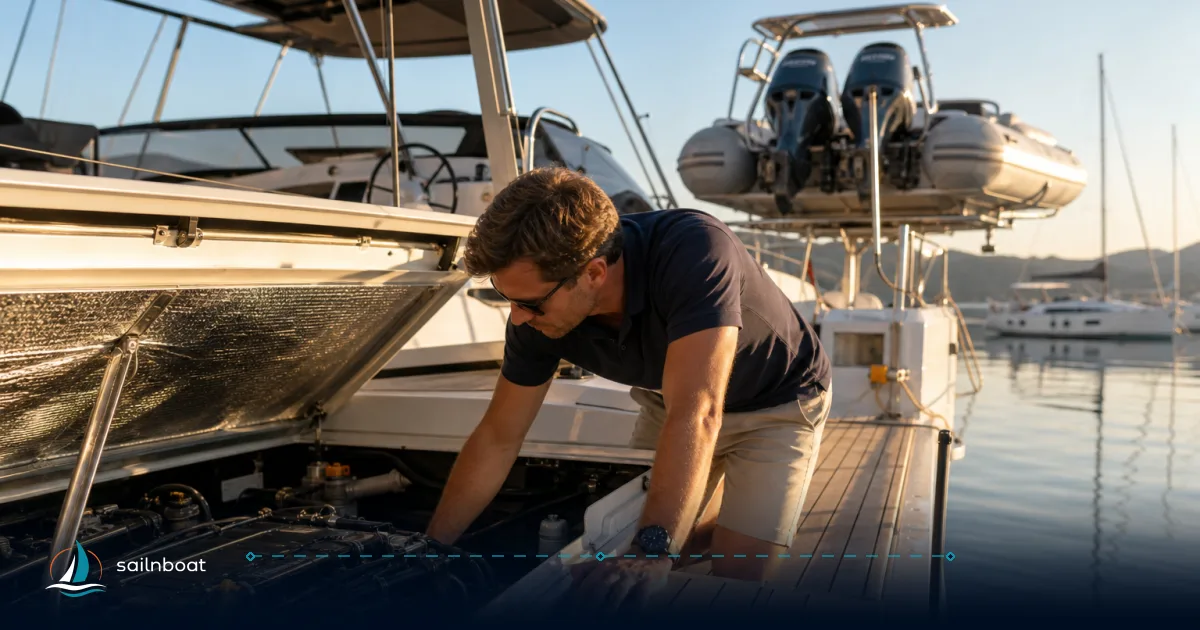
- Typical tasks: oil & filter change around 100 hours/annual, coolant and heat‑exchanger checks, fuel filter replacement, drive coupling and alignment inspection, shaft seal condition and bilge checks. Sterndrives add lower-unit gear oil and bellows inspections; pod drives add pod oil and specialised inspections.
- What charter bases usually ask:
- Many operators will show a service log and last service date at handover and expect the charterer to report any faults at once. If something wasn’t flagged on the inventory, document it during the handover walk round.
Long-term Care and Minimising Issues
- Shaft systems:
- Watch shaft seals and cutlass bearings at every haul-out; misalignment causes vibration and premature seal/bearing wear which leads to expensive repairs in a yard. Regular shaft alignment checks are a sensible preventive step.
- Pods and sterndrives:
- They require specialist servicing (pod/oil services, bellows and anode checks). That can complicate mid‑charter repairs in remote areas where qualified technicians and parts are scarce — ask the operator how they handle pod or outdrive failures and what spares they carry.
- Practical tip:
- If you intend to operate a tender frequently (daily beach runs), make sure spare props, a tool kit and a documented plan for lower-unit flushing or winterisation are carried — RIB outboards are most exposed to damage and debris.
Reviewing Boat Inventories and Conducting Handovers
A focused inventory and engine checklist at handover prevents disputes and gives you operational confidence.
Engine Specifications — what to verify in the inventory
- At minimum confirm and record:
- Engine type (outboard/inboard/pod/sterndrive), make and model.
- Total running hours and date of last full service.
- Fuel type and tank capacity (diesel vs petrol; litres).
- Propeller type and spare(s) — folding props, contra‑rotating or single; number of propellers in listings affects speed and manoeuvre behaviour.
- Presence and date of anode replacement; last shaft seal or bellows replacement if applicable.
- Any recent faults and how they were resolved.
- Why it matters:
- Hour logs and service stamps show whether the boat was maintained to the operator’s schedule; missing entries are a negotiation point if an engine fault occurs early in the charter.
Conducting Handovers — engine checklist to use
- Step through this list while the engine(s) are cold and again briefly after a short run:
- Note visible oil or coolant leaks under the engine(s).
- Check engine oil level, gearbox/pod oil visible level (where accessible) and the condition of anodes.
- Run engine(s) in neutral, listen for unusual knocks, look at exhaust colour and check for water flow from raw-water cooling outlets.
- Record propeller condition, verify spare prop and tool kit.
- Confirm throttle/gearbox responsiveness and that the kill switch and emergency systems work.
- Ask for demonstration of throttle trimming, pod/steering behaviour, and any local docking quirks.
- Document everything: take photos or a short video of instrument readings, external engine bay and propellers at handover — it reduces later disputes.
(These checks reflect common OEM and yard guidance — a short test run and a visual inspection catch the majority of obvious pre-existing issues.)
Matching Engine Types to Charter Activities
Choose power to match how you’ll use the boat — the wrong choice compromises enjoyment and adds cost.
Day Cruising
- Best fit:
- RIBs with outboards or small planing day boats with outboards: fast, shallow draft, inexpensive to run for short hops. Expect higher noise and less cabin comfort; they excel in quick beach/tender runs and short transfers.
- Why:
- Outboards give acceleration and top-end speed for short legs; lighter displacement hulls mean economical trips when run sensibly.
Transfers and Island Hopping
- Best fit:
- Motoryachts with inboard diesel engines and a shaft or pod drive. Pod drives are particularly useful if you expect lots of short harbour approaches and need good low-speed control for quick turnarounds between islands.
- Trade-offs:
- Inboards with shaft drives can be quieter and simpler to maintain in remote harbours; pods deliver better fuel efficiency and easier docking but can complicate repairs in out-of-the-way places. Use pods if your operator has local service support or spare units nearby.
Berth and Marina Considerations
Engine choice changes the berth you can take and the marina services you should confirm.
Berth Requirements
- Draft and transom:
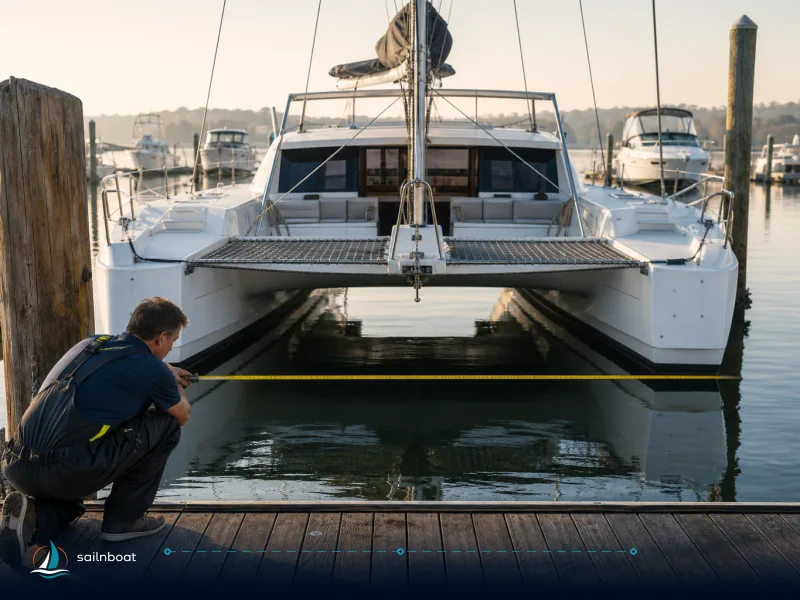
- RIBs and many tenders draw little water — some professional RIBs have drafts around 0.3–0.5 m — and can use shallow mooring spots or be lifted/davit‑borne. Larger motoryachts commonly have drafts from roughly 1.0 m up to 3.0 m depending on size and design; check the specific boat’s draft in the listing before planning shallow anchorages. Example listings show military and civilian RIBs with drafts ~0.4 m and motoryachts with drafts commonly between ~1.1–1.9 m in brokerage specs.
- Multiple outboards require a wider and stronger transom area — that can complicate stern-to berthing and reduce swim-platform access.
- Haul-out and servicing:
- Shaft and pod boats require secure slipways or travel hoists and yards capable of pod servicing; if your route includes remote marinas, check whether they can handle pod oil changes or shaft‑seal work.
Marina Amenities to confirm
- Shore power: common shore power supplies include 16A, 32A and 63A connections; check which inlet the berth offers and bring/adapt shore power leads or adapters as needed.
- Fuel and pump-out: confirm diesel/petrol availability and pump‑out facilities for black water before arrival — not every small harbour has both. Some marinas charge for pump‑out services or require booking.
- Mechanical support: confirm local engine service capabilities for your engine type (outboard, sterndrive, pod) and ask whether the base provides mobile technicians or towing arrangements in the event of engine failure.
Quick Comparison (at a glance)
| Drive type | Draft impact | Noise & vibration | Fuel / range (typical) | Maintenance complexity | Best charter use |
|---|---|---|---|---|---|
| Outboard (RIB/tender) | Shallow (often 0.3–0.6 m) | Higher high‑frequency stern noise | Efficient for short hops; fuel burn varies widely by HP and speed. | Simple lower‑unit service, initial 20‑50 hr then ~100 hr/annual items. | Fast transfers, shallow bays, frequent beaching |
| Inboard – shaft | Deeper (1.0–3.0 m typical on motoryachts) | Low‑frequency transmitted to hull; generally quieter cabin | Reliable on longer legs; efficiency depends on hull and propeller matching. | Shaft seals, cutlass bearings, alignment checks; yard work more likely. | Longer transfers, overnight passages |
| Pod drive (IPS/Zeus) | Similar to inboard draft but pod protection needs | Lower perceived vibration; better low‑speed feel | Manufacturer claims show markedly better cruise efficiency (commonly quoted 20–30% gains). | More complex; specialist servicing and parts logistics matter | Island hopping with frequent docking; fuel‑efficient long legs |
(These are comparative patterns — check the specific model’s published draft, consumption and service history before booking.)
Final practical checklist before you book and at handover
- Before booking: ask for engine make/model, total hours, last service date, service book scan, and the boat’s typical litres-per-hour at the advertised cruising speed.
- Day of handover: inspect/photograph engine(s), anodes, propellers/spares, and report any pre-existing faults in writing; run engines and observe exhaust/water flow and listen for unusual noises.
- Marina checks: confirm berth depth for the boat’s draft, shore power connector rating (16A/32A/63A), availability of diesel/petrol and pump‑out, and whether the marina handles pod/drive servicing locally.
If you want our help: tell us the specific model or listing and we’ll highlight the engine details to ask for at booking and the likely servicing constraints on your intended route.
Review your charter options and ask the operator these engine-specific questions before you commit — it saves time, money and avoids mid-charter surprises.
Frequently Asked Questions
Outboards are complete units mounted on the transom (powerhead + gearbox + propeller); they are lighter to remove and simpler to service. Inboards sit inside the hull and connect to a shaft, sterndrive or pod—their layout favours quieter cabins and cleaner transoms but usually demands deeper berths and more workshop-level servicing.
Straight shaft drives are traditional, robust and familiar to yards; pod drives (Volvo Penta IPS, Zeus) use steerable pods with forward-facing contra-rotating props and typically deliver better fuel economy, range and dockability at the cost of greater system complexity and specialised servicing.
Outboards tend to put more high-frequency noise at the stern and into the water; inboards can transmit low-frequency vibration through the hull. Pod drives generally lower perceived noise and can cut fuel burn significantly compared with conventional shafts in similar boats.
Verify engine type and model, total running hours, date of last full service, presence and date of anode replacement, spare keys, coolant and oil levels, raw-water impeller condition, and whether a tow/harbour assistance policy covers engine failure.
Outboards usually have simpler, more frequent light services (first service after the first 20–50 hours then a 100‑hour / annual rhythm); inboard shaft and pod systems require additional checks (shaft seals, cutlass bearings, gearbox/pod oil and anodes) and often specialist yard work.
For short transfers and shallow harbours, RIBs or outboard-powered tenders are fastest and most flexible; for long transfers or overnight passages, inboard motoryachts—especially with pod drives—tend to be steadier, more fuel-efficient and quieter onboard.
Outboard‑powered RIBs usually need very shallow berths and simple davits/cranes; inboard shaft or pod boats need deeper berths and reliable haul-out facilities for shaft/pod servicing. Check marina shore‑power ratings (16A/32A/63A are common), fuel type availability and pump‑out services before booking.
Written by
Sailnboat Editorial
The Sailnboat editorial desk covers yacht and boat chartering worldwide — routes, bases, seasons, boat types, paperwork and the practical costs that decide a trip. We are a charter marketplace, not a boat owner or a local agency: what we sell is judgement and support, so our guides are written to help you make a decision, not to sell you a specific boat. Every guide is checked against live operator and marina data before it goes out.
Fact-checked against live operator and marina data, and published under our editorial standards. Last reviewed: .