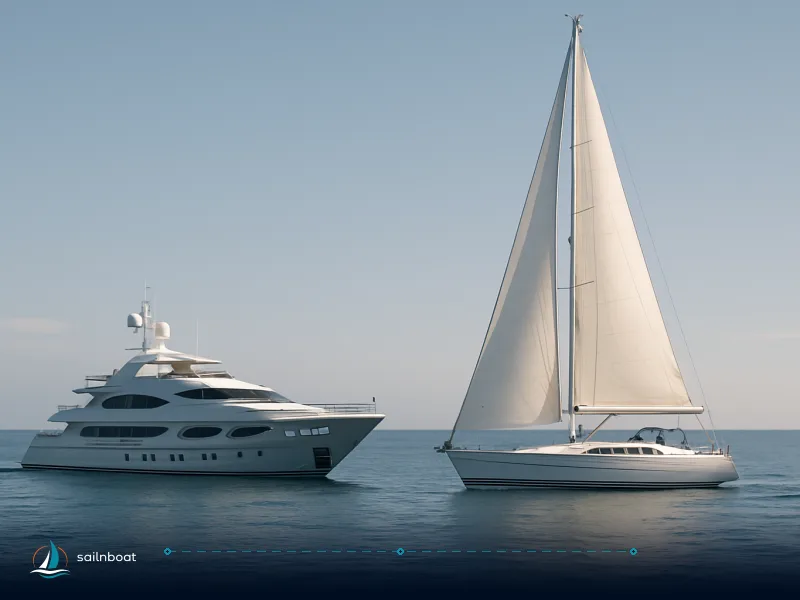
Motor Yacht vs Trawler: Key Differences for Charter Clients
A direct comparison of motor yachts and trawlers for charter: speeds, fuel burn, range, onboard systems, comfort in a seaway and a pre-departure checklist you can act on.

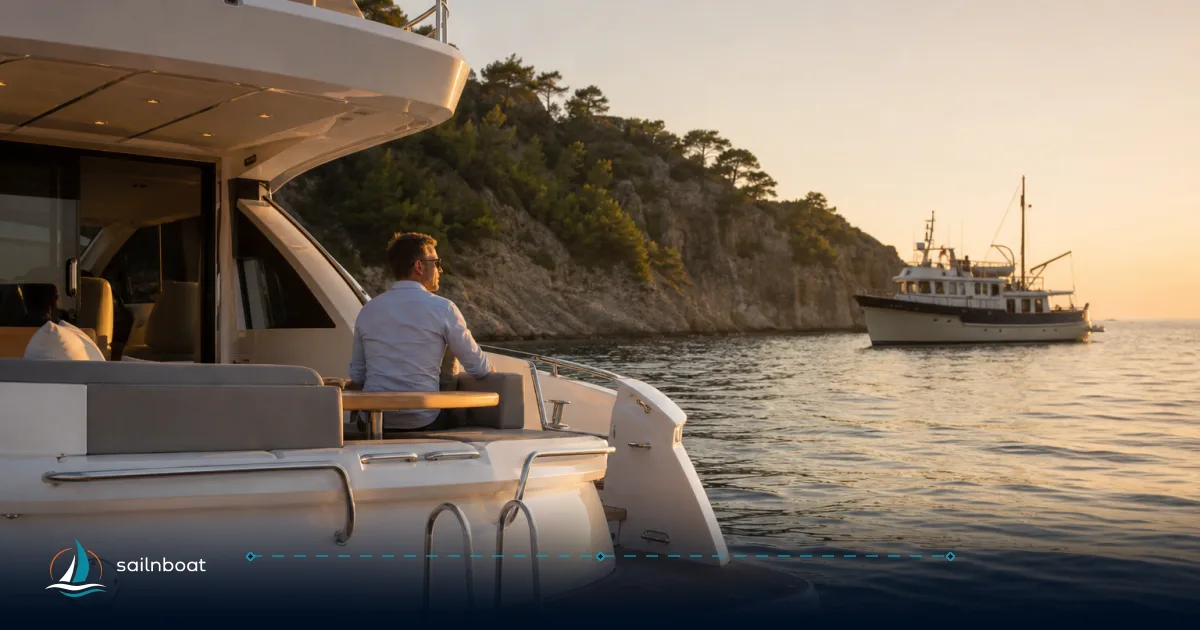
Choose a trawler when range, low fuel cost and a sedate, sea-kindly ride matter; choose a motor yacht when speed, short transfers and hotel-style spaces are the priority. This article compares motor yacht vs trawler on the exact points charter clients need to decide: cruising speed and fuel burn, range and tankage, onboard systems and storage, behaviour in a seaway and the practical pre-departure checks that save money and headaches.
Speed and Range: Motor Yachts vs Trawlers
Cruising Speeds
- Planing motor yachts: typical advertised cruise speeds sit in the 20–30 knot band on larger planing yachts; smaller sport cruisers and fast displacement designs cruise lower. Real-world cruise speed for a large planing yacht (20–30 knots) is common in builder test data.
- Trawlers / displacement boats: practical cruise speeds are much lower — often 6–10 knots for classic trawlers and long-range passagemakers; purpose-built long-range displacement yachts commonly cruise 6–9 knots for best economy. Nordhavn-style displacement examples show economical cruise speeds around 6–8 knots and long-range figures measured in thousands of nautical miles.
Why that matters to charter planning: every extra knot on a planing yacht increases fuel-per-mile sharply; a 20–25 nm hop that costs a small amount on a trawler can become a significant fuel bill on a fast planing boat.
Fuel Efficiency
- Planing motor yachts: fuel burn is strongly size- and hull-dependent. Builder test figures for larger planing yachts show hundreds of litres per hour at cruise (for example, many 20–25 m planing yachts report 200–500 L/hr at 18–25 knots). Expect a planing charter to use substantial fuel for even modest daily hops.
- Trawlers / displacement: fuel burn at efficient displacement cruise is much lower in volume terms. Examples from classic trawler designs are often reported to show burns in the low gallons-per-hour (single‑ or low‑double-digit gallons per hour) range at 7–9 knots — sometimes estimated as roughly 10–40 L/hr depending on engines and whether figures are per-engine or total. Actual figures can vary and should be confirmed with the operator or recent logbook data for the specific boat.
Practical rule for planning: always get the actual fuel-burn table for the specific boat you will charter (speed vs L/hr). Use that with the intended daily miles and add a safety margin (see fuel-planning checklist below).
Quick comparison table
| Feature | Motor yacht (planing / semi-displacement) | Trawler / displacement |
|---|---|---|
| Typical cruise speed | ~20–30 knots (planing) / 10–16 knots (semi-displ.) | ~6–10 knots |
| Typical fuel burn (cruise) | Tens to hundreds of L/hr — often 200–500 L/hr on large planing yachts at 18–25 kt; smaller planing boats burn less. | Often reported as low tens of L/hr (10–40 L/hr sometimes cited at displacement cruise), but actual figures vary and should be confirmed for the specific boat. |
| Typical useful range | Shorter practical range at high speed; long-range tanks sometimes fitted but cost per nm high. | Designed for long-range cruising: thousands of nm quoted for ocean passagemakers at economical speed. |
| Best use-case | Short hops, time-sensitive itineraries, on‑water hospitality. | Long legs, fuel-conscious itineraries, comfortable offshore passages. |
Onboard Systems and Amenities
Living Spaces
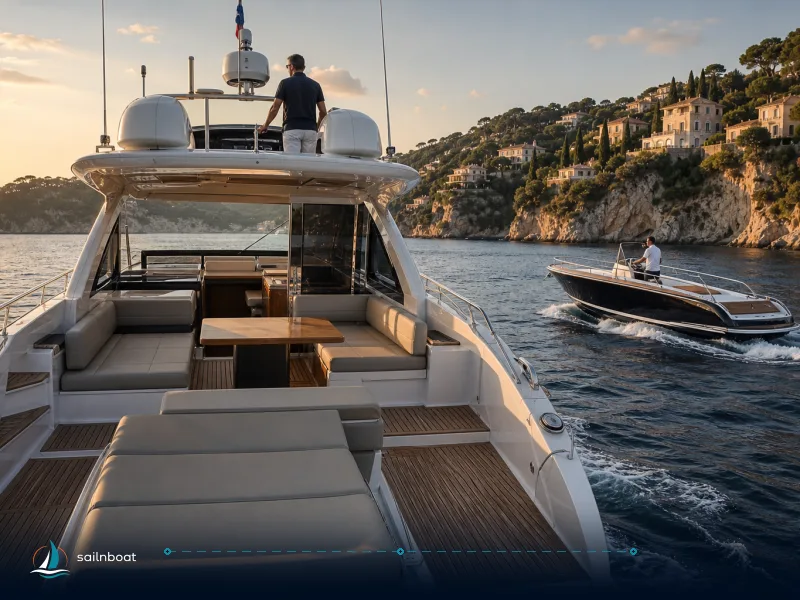
- Motor yachts: layouts prioritise guest-facing spaces — flybridge, large saloon, multiple en‑suite cabins and often dedicated crew quarters. On charter, many motor yachts above ~50 ft are offered as crewed yachts with service levels designed to match boutique hotel expectations. Expect larger galley prep areas oriented to service and possibly a formal dining/entertaining flow.
- Trawlers: interiors are often arranged around practicality and seaworthiness — internal circulation to the pilothouse, owner/guest cabins positioned where motion is least (midships), and galley designs aimed at extended passage provisioning rather than high-volume restaurant service. You get utility: good work surfaces, accessible engine rooms and practical locker space.
Trade-off: motor yachts prioritise guest experience and service; trawlers prioritise autonomy and systems accessibility.
Storage Capacity
- Fuel & water tanks: displacement trawlers and passagemakers often carry large fuel and water tanks as part of their mission — Nordhavn 47 examples list fuel capacity in the low thousands of gallons (roughly 5,700–6,400 litres) and water around 400 US gallons on production boats, supporting ranges of thousands of nautical miles at economical speeds. Larger motor yachts can also carry large tanks but the liters per mile are higher.
- Refrigeration & dry stores: motor yachts designed for charter typically have larger fridges/freezers and professional galley equipment; trawlers have efficient refrigeration and large locker/locker volumes for long passages, but not always the same hospitality layout. Always request measured fridge/freezer litres and locker dimensions from the charter base if provisioning for a group. (Operators vary widely.)
Practical step: ask the base for exact tank capacities (fuel and water), fridge/freezer volumes and storage locker photos before you finalise provisioning.
Sea Motion and Comfort Levels
Hull Design
- Displacement hulls (trawlers): move through the water; hull-speed physics cap efficient speed (roughly 2.4 × sqrt(LWL in metres) in knots). They tend to have gentler pitch and predictable motion in most sea states at displacement speeds. This is why displacement passagemakers quote very long ranges at low knots.
- Planing hulls (many motor yachts): require speed to generate hydrodynamic lift and plane; they deliver much higher speeds but can be livelier in short, steep chop and lose comfort quickly if weather forces you to slow or reduce speed. Semi-displacement designs are a compromise, with efficient zones and steep fuel penalties beyond them.
Comfort in Different Conditions
- In a short, steep chop a planing hull can feel lively and throw more vertical accelerations; a displacement hull will often feel steadier at the same sea state when run at economical speed. Conversely, at planing speeds in moderate seas a well‑designed planing yacht can be very comfortable and fast. Academic and industry sources support that hull form, LCG/VCG and deadrise all materially affect pitch and roll behaviour.
Operational advice: if your party includes anyone prone to seasickness or you expect exposed passages with chop, favour a displacement or semi‑displacement hull and plan conservative daily legs.
Provisioning Needs and Charter Expectations
Provisioning for Multi-Day Charters
- Food and beverage: for both vessel types provision by headcount and days. For trawler-style boats without a dedicated chef, you will need to plan and stow more ready meals and long-life items in easily accessible lockers; crewed motor yachts commonly offer full provisioning packages or chef services for an additional fee. Confirm what is included in the charter fee.
- Water & waste: trawlers built for long legs often have big water tanks and sometimes watermakers; motor yachts may rely on shore water more frequently unless the yacht is expressly set up for remote cruising. Request water tank volumes and watermaker capacity when planning multiple consecutive anchorages.
- Galley capability: if you expect chef-level meals, check whether the galley is professional-grade and if crew include a cook. If you self-cater, check fridge/freezer capacity in litres — it determines how much fresh food you can carry without daily shopping.
Charterer Expectations
- Motor yacht charters (especially above ~50 ft) are frequently sold as crewed packages, with captain, steward/hostess and often a chef included — service levels are higher and price structures reflect that.
- Trawler charters more often attract skippered or bareboat bookings where self-sufficiency is part of the experience; service may be simpler and you may need to manage provisioning and day-to-day galley work yourself. Regional differences apply — Mediterranean and Caribbean markets have different norms.
Pre-Departure Checklist for Charter Clients
Before you leave the dock, verify these items in writing or by photo from the base:
- Tender and boarding arrangements
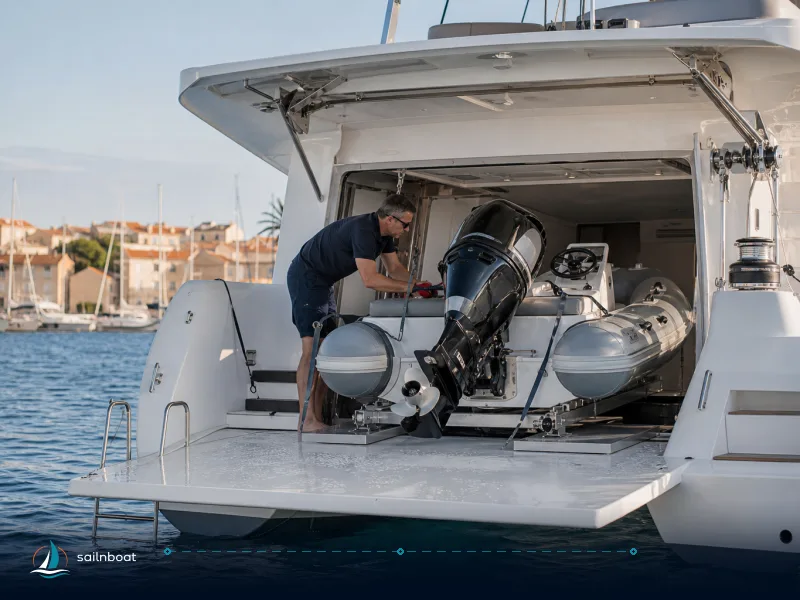
- Is a tender included? What size and engine (hp) is supplied? Is it a rigid tender with outboard or an inflatable? Confirm who is responsible for fuel for the tender and whether the tender is stowed on davits or a foredeck. Many charters include a tender but not necessarily fuel for the tender beyond a top-up. (Ask and note the policy.)
- Fuel planning
- Obtain the boat's fuel-burn table (speed vs L/hr or gph). Use that table with your planned daily nm to calculate fuel used and then apply a conservative reserve (operators commonly use a margin rule such as the 'rule of thirds' for trip fuel planning or specify a required reserve). A simple fuel-calculator tool or the boat's own trial numbers will give you the most reliable plan. Confirm refuelling options at your first and last ports and where emergency bunkering is possible en route.
- Berthing and marina fees
- Confirm where the base will leave you the boat overnight (marina or anchorage) and whether berthing fees or stern-to arrangements are included. Ask about seasonal variations: in peak season some ports levy high transient rates or require advance reservations for berths. Get the list of likely marinas for your route and the base’s advice on typical fees.
- Systems & storage check
- Ask for measured tank capacities (fuel, water), fridge/freezer volumes, and whether a watermaker is fitted. Inspect the safety gear, EPIRB, lifejackets and MOB procedure; confirm bilge-alarm operation. Photograph the inventory list handed over at check-in.
- Crew and provisioning scope
- If the yacht is crewed, check who handles provisioning, whether a chef is included, and what is paid extra (e.g., drinks, special menu items). If you are provisioning, confirm refrigeration and dry‑store capacity, and whether the base offers grocery delivery to the berth.
- Shore power, generator and electrical loads
- For multi-day anchoring, check generator hours policy and inverter capacity, especially if you plan to run air conditioning for long periods. Small yachts and trawlers manage loads differently — confirm practical runtime expectations.
- Fuel payment & APA
- Be clear on fuel payment policy: is fuel included for planned legs? Who tops up extra usage? Understand whether a security deposit or Advance Provisioning Allowance (APA) is used on the charter and what it covers if the operator uses one (this varies by operator and region).
Operational tip: get the boat’s owner’s manual or systems sheet and a run-down from the captain on day one — nothing replaces a quick systems briefing for confidence and safe operation.
Final trade-offs and how to choose
- Choose a trawler if your priority is range, low fuel cost per mile, a predictable motion for passengers sensitive to movement and the ability to do longer single-day legs without frequent refuelling. Displacement hulls are the pragmatic choice for multi-day coastal cruising where time aboard (comfort, storage) matters more than transit speed.
- Choose a motor yacht if you need to move quickly between anchorages, want elevated guest spaces and service, or plan short, activity-heavy days (shore excursions, watersports). Be prepared for higher fuel bills and confirm whether the vessel includes crew/hospitality in the charter price.
Decide by program, not by image: list your daily mileages, how many consecutive offshore miles you’ll run, and whether you prefer a quieter passage or faster transfers — then match that programme to the hull that best performs in that operating envelope.
Consider your cruising preferences and the kind of days you want on the water; share your planned route with the charter base and request the exact fuel-burn table, tank capacities and a picture-led inventory before you commit — those three items usually decide whether a motor yacht or a trawler is the right choice for your next charter.
Frequently Asked Questions
Planing motor yachts commonly cruise between ~20–30 knots and can consume from a few hundred litres per hour on larger models to lower amounts on small sports cruisers; displacement trawlers typically cruise 6–10 knots and often burn in the low tens of litres per hour depending on engine and size. Use manufacturer figures and a fuel log for the boat you will charter when planning.
Motor yachts tend to prioritise saloon space, guest cabins and hospitality (crew quarters, galley designed for service), while trawlers prioritise tankage (fuel, water) and practical storage; exact capacities vary widely by model so verify tanks, fridge/freezer volumes and locker space with the charter base.
Displacement hulls (typical of trawlers) push through waves and usually give gentler pitching/heaving at low speeds; planing hulls ride on hydrodynamic lift and are faster but can be livelier in chop — semi-displacement hulls sit between both worlds.
For multi-day trips plan for fresh food for the length of the trip, frozen/long-life backups, water usage (check tank + watermaker if fitted), plus fuel margin; crewed motor yachts often offer full provisioning and chef service as an option, while trawler charters frequently require more client-led provisioning planning.
Confirm tender size and fuel policy, request the boat's real-world fuel-burn figures at target cruise speed, check local refuelling points and opening hours, verify berthing/dinghy fees at planned stops, and inspect storage, refrigeration and safety equipment before leaving the marina.
Written by
Sailnboat Editorial
The Sailnboat editorial desk covers yacht and boat chartering worldwide — routes, bases, seasons, boat types, paperwork and the practical costs that decide a trip. We are a charter marketplace, not a boat owner or a local agency: what we sell is judgement and support, so our guides are written to help you make a decision, not to sell you a specific boat. Every guide is checked against live operator and marina data before it goes out.
Fact-checked against live operator and marina data, and published under our editorial standards. Last reviewed: .