Essential Guide to Sakarun Bay: Anchoring and Best Practices
Practical, decision-ready guidance for anchoring, crowd management and protecting seagrass in Sakarun Bay on Dugi Otok.

Sakarun Bay is shallow close in and hosts living Posidonia meadows, so your primary aim is to anchor where the bottom is sand (not seagrass), use the park’s buoys when available, and respect the 150 m beach exclusion in high season. Read the anchoring table first; it is the operational heart of this piece.
Recommended Anchoring Depths in Sakarun Bay
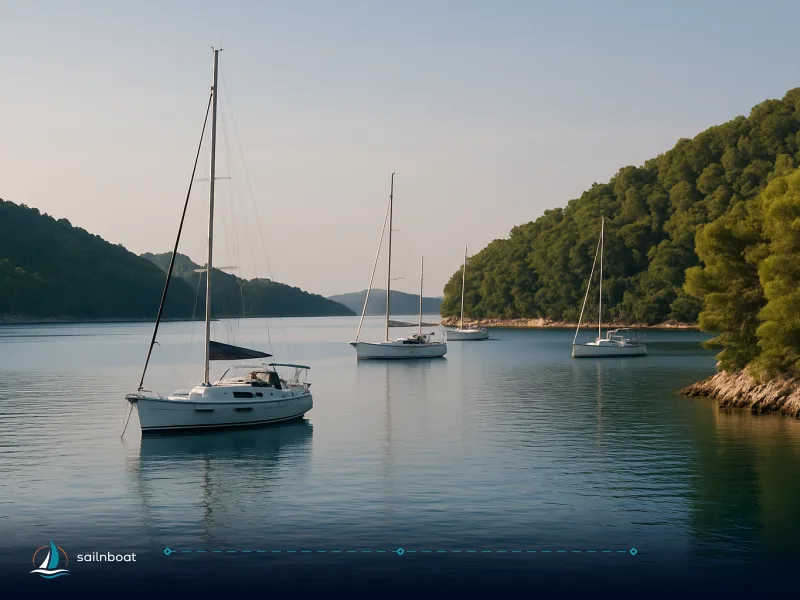
The bay breaks into three practical anchoring zones—pick the one that suits your vessel size, draft and the protection you need.
| Zone | Typical depth (m) | Bottom & note |
|---|---|---|
| Main bay (close to beach / large sandy lagoon) | ~3–8 m. | Fine sand in the inner bay; very shallow near shore—suitable for small yachts and day visits. |
| Western pocket (mid-bay, sheltered corners) | ~4–10 m. | Deeper sand pockets and good holding if you avoid Posidonia patches. |
| Outer bay / entrance and channels | ~8–16 m. | Deeper water suitable for larger yachts and overnight stays away from seagrass meadows. |
Anchoring Techniques
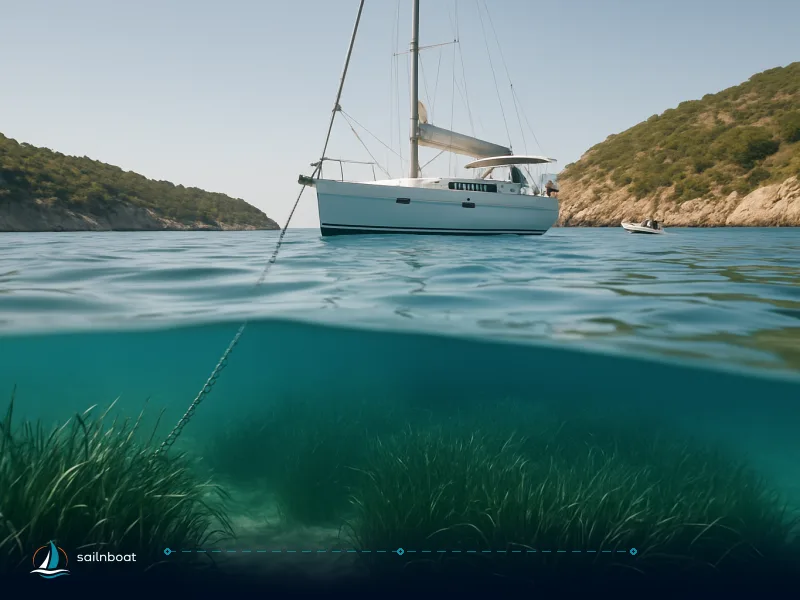
- Choose sand, not plants: visually confirm the bottom where possible; areas with Posidonia produce “banquettes” (accumulations of dead leaves) on the beach—this is a red flag that meadows are nearby.
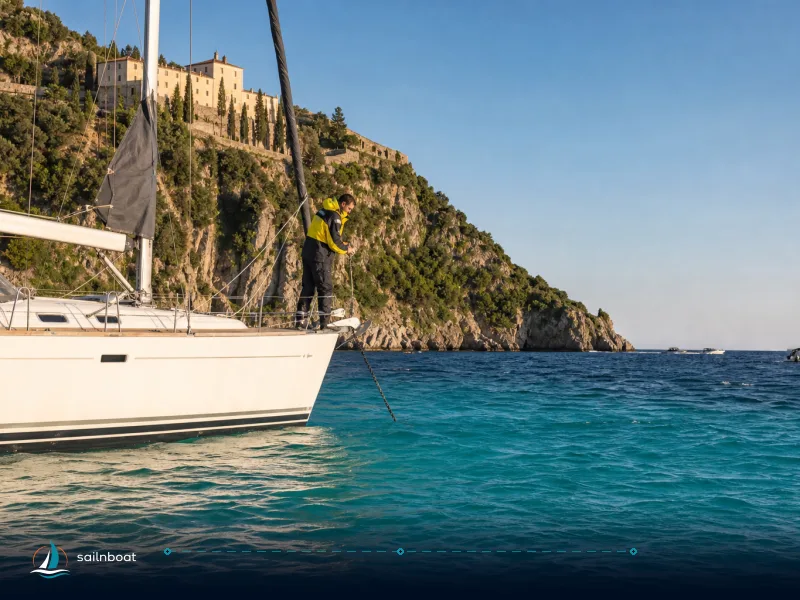
- Scope and bite: give 4–6:1 scope in calm conditions; more in wind. In crowded anchorages reduce swing radius and set the anchor with the engine astern to help the anchor bury—this reduces drag that may cause you to unexpectedly move into seagrass.
- Use a spotter and anchor alarm: with many boats in Sakarun the anchor chain can pile and foul—set an alarm radius appropriate to your swing (many skippers use 60–80 m) and brief crew on watch routines.
Crowd Management Strategies During Peak Season
Sakarun fills quickly in summer. Plan to avoid contributing to congestion.
Timing Your Visit
- Early or late: aim to arrive before 09:30 or after 16:00 to find a free buoy or a clear sandy patch. Many day‑trip boats peak mid‑day.
- Weekdays over weekends: weekday visits spread demand. If you must be there at noon, expect heavy congestion and limited space.
Utilizing Mooring Buoys
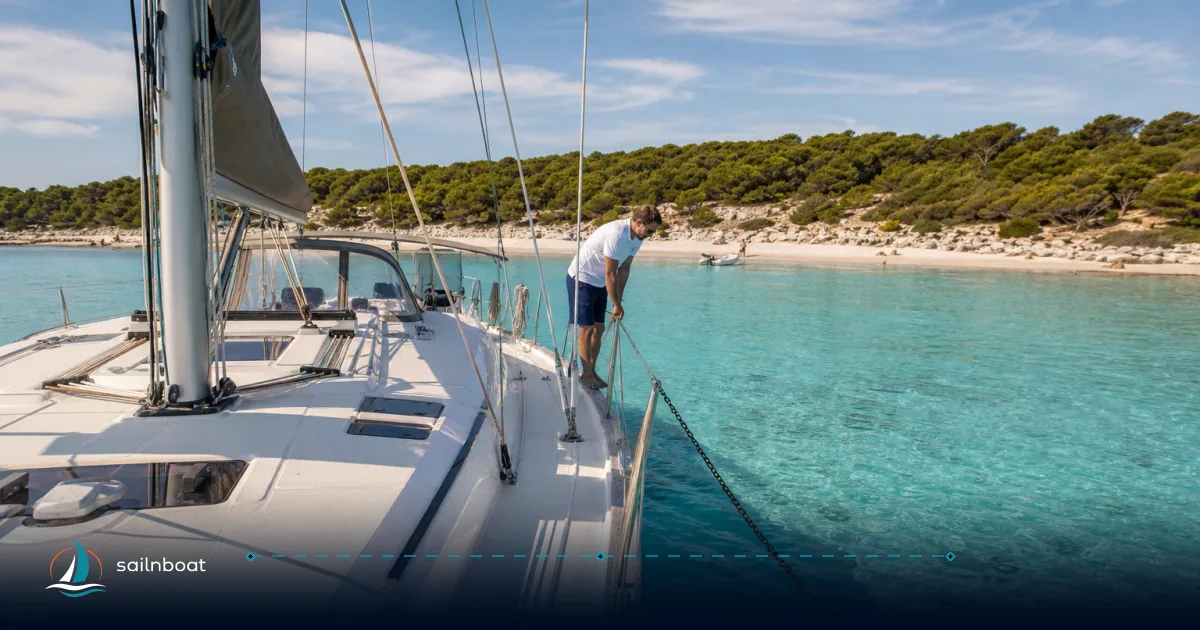
- Use the buoys: Sakarun and the Telašćica area have a substantial buoy network (the park counted about 100 park buoys in Telašćica Bay in recent planning documents). Tie to buoys rather than anchoring where they’re offered—this protects Posidonia and is often the park’s preferred option.
- Be nimble: if you can’t find a buoy, choose a short daytime stop in a sandy patch and move on—avoiding long mid‑day stays helps keep the bay usable for everyone.
Mooring Buoy Usage and Associated Fees
If you plan to use a buoy or enter Telašćica (Sakarun sits at Dugi Otok’s northern approaches but rules inside the park apply), budget for park boat tickets and possible concession buoy fees.
- Park boat ticket (examples from the Telašćica 2025 price list): vessels 7.00–10.99 m pay about €25 (low season) / €60 (high season) for a 1‑day ticket when purchased outside the park; 11–17.99 m pay roughly €40 / €90. These are entrance/ticket fees for vessels, distinct from any separate concession buoy charge. Have the ticket on board for inspection.
- Buoy fees vary: some concession buoys or private operators list fixed buoy prices (examples found online range from per‑meter charges to flat buoy fees—one guide referenced about €5/m as a typical buoy rate and other guides show €40–€60 for a ~12 m boat for park-related mooring). Because concession arrangements vary by season and operator, confirm the current buoy price at the gate or with the park rangers on arrival.
- Mandatory mooring / anchoring policy: inside Telašćica Nature Park anchoring is limited or banned except in designated places; mooring to park buoys and paying the vessel ticket is standard procedure where the park applies these rules. Expect wardens and ticket checks in summer.
Practical checklist before you approach:
- Have the park vessel ticket purchased or ready to buy.
- Know your boat length (the ticket bands are length-based).
- Ask the ranger or buoy tender where to take a buoy; they will direct you to permitted mooring fields.
Environmental Best Practices for Charterers and Skippers
Protecting Posidonia and keeping Sakarun usable for future seasons is straightforward if you follow a few strict habits.
Avoiding Seagrass Damage
- Never anchor on Posidonia: the species is slow‑growing and anchors and chains remove whole rhizomes; damage is effectively permanent on human timescales. Use sand only. Monitoring data show Posidonia beds in Sakarun extend into shallow zones that many skippers might otherwise target.
- Prefer buoys: park buoys take the load off the seabed; use them whenever available. Telašćica’s management plan explicitly favours mooring only at marked places.
- Keep stays short when space is tight: frequent short visits spread pressure rather than long occupancy that displaces others and increases the temptation to anchor in sensitive spots.
Waste, fouling and fuel
- All waste ashore: take garbage to shore or to a marina—do not discharge plastics, food waste, or sanitary items. Even seemingly benign organic waste can cause local eutrophication.
- Minimise bottom contact: don’t use anchors to “clear” fouled moorings or to free stuck chains; call a ranger or port staff if a buoy is damaged. Avoid reversing over shallow sand where Posidonia is present.
Fines and enforcement
- Penalties do exist: Croatian conservation work and park enforcement have clear sanctions for damaging protected habitats. Recent summaries of enforcement show fines for individuals and legal entities under national rules; the amounts are not uniform and depend on the specific regulation and the severity of the damage—expect fines at a level that makes avoiding damage the less expensive option.
Beach Exclusion Zone Regulations
- The 150 m rule: authorities now commonly enforce a 150‑metre exclusion from public beaches during the main summer season; many skipper guides and enforcement summaries note that the line is active June 15–September 15 and is patrolled by maritime police and park wardens. Stay outside this limit during those dates.
- Why it exists: the exclusion protects bathers and reduces the risk of seabed damage next to heavily used beaches where Posidonia and shallow sand coexist. If you anchor inside the exclusion you risk fines and being asked to move by authorities.
Ensuring Safe Anchoring Practices
A quick pre‑arrival routine reduces both environmental impact and crew stress.
Pre‑arrival (30–60 minutes before)
- Check the latest chart and a seabed overlay in your nav app for Posidonia or “grass” indicators. If your chart indicates meadows, plan to use a buoy or stand off.
- Call the park or download their notices—Telašćica publishes ticket and conduct rules; change can occur year‑to‑year so confirm current requirements.
On approach
- Steer for a designated buoy field if shown; if you must anchor choose a sandy area well outside visible banquettes and beyond the swimming/shoreline exclusion. Use reduced speed to avoid stirring sediment.
Set and monitor
- Set enough scope for the conditions, back down gently to confirm set, and use an anchor alarm on a short radius when in crowded Sakarun—chain piling is a known problem in dense fields. Have a crew keep a visual watch when boats are close.
If you suspect you’ve fouled Posidonia
- Lift carefully: if you have fouled seagrass, lift slowly to reduce further tearing and move to a sandy patch to clear. Report significant damage to park wardens—reporting helps managers track impacts and may limit future penalties in some circumstances.
Practical kit to carry
- A handheld depth sounder, an updated electronic chart with seabed layers, anchor alarm, sufficient chain/rope for proper scope, and a small boat hook and buoy-snubber for stern‑to mooring. These keep you in control and compliant.
Plan your Sakarun visit around sand, buoys and park rules: aim for sand at the depths noted above, use the park buoy network where offered, keep clear of the 150 m beach exclusion in high season (June 15–Sept 15), and treat Posidonia as non‑negotiable—damage invites fines and permanent habitat loss. When in doubt, call the Telašćica park office for current buoy and ticket procedures before you enter the bay.
Frequently Asked Questions
Sakarun has distinct zones: the main bay is shallow (typically about 3–8 m), the western pocket is slightly deeper (around 4–10 m) and the outer bay drops further (roughly 8–16 m); favour sandy patches and avoid areas with Posidonia seagrass.
Visit early morning or late afternoon, prefer weekdays, use park buoys rather than anchoring, and plan short stays—move on when the bay becomes congested to reduce crowding pressure.
Telašćica charges vessel entrance/ticket fees by boat length (examples: €25–€90 for a 7–18 m boat depending on season); buoy costs and concession terms vary and are sometimes charged separately by concessionaires—confirm with the park on arrival.
Use official buoys; avoid and never drag anchor over Posidonia; set short stays with stern-to on buoys if needed; reduce engine idling and take all waste ashore or to a marina.
There is a 150‑metre beach exclusion that applies in high season (commonly enforced June 15–September 15) — keep your vessel beyond that line when the rule is in effect.
Use up‑to‑date charts and seabed overlays, look for Posidonia banquettes on the beach as a visual indicator of nearby meadows, favour sandy bottoms in the mapped anchoring zones and use park buoys where provided.
Written by
Sailnboat Editorial
The Sailnboat editorial desk covers yacht and boat chartering worldwide — routes, bases, seasons, boat types, paperwork and the practical costs that decide a trip. We are a charter marketplace, not a boat owner or a local agency: what we sell is judgement and support, so our guides are written to help you make a decision, not to sell you a specific boat. Every guide is checked against live operator and marina data before it goes out.
Fact-checked against live operator and marina data, and published under our editorial standards. Last reviewed: .