Hidden Coves Near Split: Top Anchoring Spots Revealed
Five reliable, lesser-known anchorages near Split with coordinates, typical depths, bottom types, wind protection and the fees or rules you need to decide where to stay overnight.

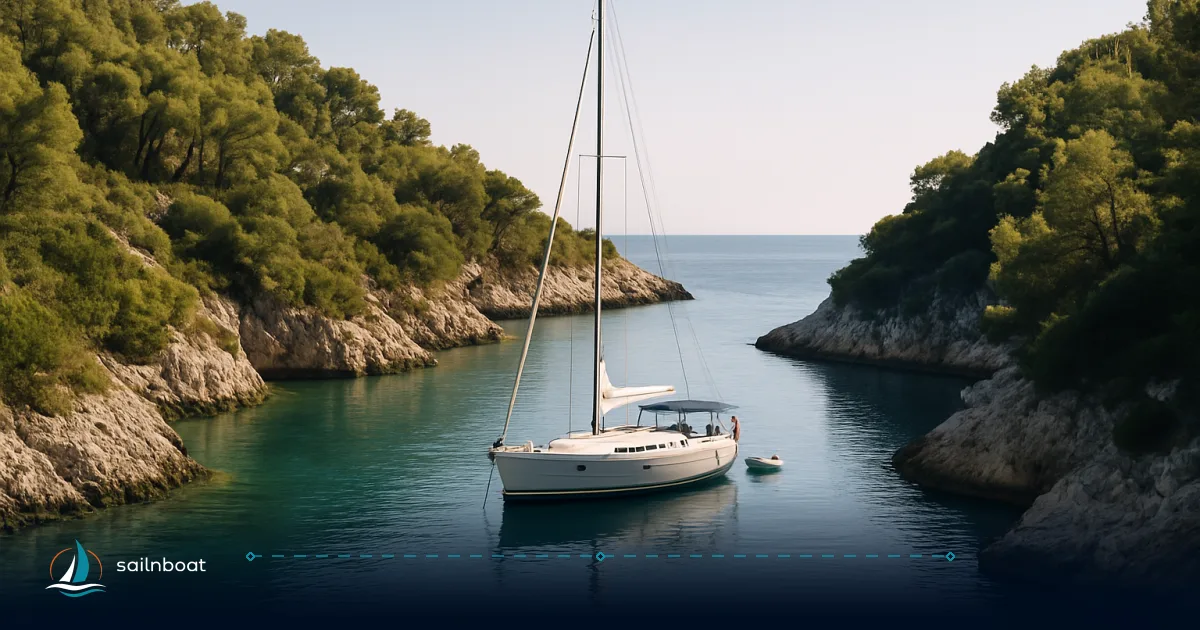
Split anchoring spots are close, varied and decision-driven — pick Kasjuni for an immediate city swim, Razetinovac and Fumija for short hops from Trogir/Čiovo, and Nečujam or Splitska when you want cleaner water and reliable holding farther offshore.
Best Anchoring Spots Near Split
Kasjuni Beach Anchorage
- Coordinates: 43.50629 N, 16.3954 E (Kašjuni, Marjan peninsula, Split).
- Typical depths: commonly around the mid‑single to low double digits of metres (approach on the sounder).
- Bottom: sand with Posidonia/sea‑grass patches.
- Protection: good shelter from N and NE; exposed to stronger W/NW winds.
- Practical notes: the bay sits under Marjan park and is the closest beach anchorage to central Split — proximity allows for relatively quick access ashore, but specific tender or taxi arrangements to the Riva may vary; the east side has beach bars/lounges while a nudist (FKK) area is usually reported on the west side. Space is limited in high season and day‑trippers can make the bay busy by mid‑day.
Racetinovac / Razetinovac Bay Anchorage (Čiovo)
- Coordinates: 43.49361 N, 16.23597 E (Razetinovac inlet, Čiovo).
- Typical depths: shallow to moderate anchoring depths around 6–10m in the inlet’s main patches.
- Bottom: sand and sea‑grass — generally good holding on sandy patches.
- Protection: well sheltered from NE, E, SE, S and SW when you anchor fully inside the inlet; outer positions may be less protected.
- Practical notes: Razetinovac is a small, quiet inlet a short hop from Seget/Trogir and commonly used by day and overnight boats; approach carefully and pick the inner lee if a southerly Jugo is forecast.
Fumija Island Anchorage
- Coordinates: 43.48194 N, 16.23208 E (Sveta Fumija / Fumija islet, near Čiovo).
- Typical depths: 6–10m in the coves and channels commonly used for daytime anchoring.
- Bottom: sandy.
- Protection: sheltered from NE, E and S in the inner bays; the larger bay is open to W and NW, so avoid overnighting exposed to those directions.
- Practical notes: Fumija sits close to Čiovo and the Trogir channel; it’s an excellent daytime anchorage with clear water but the channel is busy with ferries and tourist traffic — watch for changing conditions and traffic when you anchor. Recent local incidents underline the need for vigilance in the area.
Nečujam Bay Anchorage (Šolta)
- Coordinates: 43.23° N, 16.17° E (Uvala Nečujam, north coast of Šolta).
- Typical depths: 3–9m (main bay deeper towards centre).
- Bottom: sand and mud — excellent holding.
- Protection: very good from N, NE, NW, W and E; exposed to S and SE (Jugo swell).
- Fees/permits: free to anchor; no permit typically required.
- Best months: May, June, September and October for quieter conditions and good winds.
- Practical notes: Nečujam is a large, sheltered bay with multiple inner coves; use 7:1 scope in deeper parts and reduce swing room for inner coves. Avoid anchoring on Posidonia meadows and respect seasonal beach exclusion zones that may be in force.
Splitska Anchorage (Brač)
- Coordinates: 43.21° N, 16.30° E (Splitska, Brač).
- Typical depths: 2–6m close in; good holding on sand and mud.
- Protection: sheltered from most northerly directions (N, NW, NE, E, W); exposed to S and SE.
- Fees: anchoring off the bay is generally free; if you use a quay berth harbour dues are commonly reported around €10–15/night (varies by operator and season).
- Best months: May–October for reliable facilities and services.
- Practical notes: Splitska is around a short passage from the Split–Brač channel and is a common overnight for crews heading to Brač; the harbour becomes busier in summer so anchor early for best swing room.
Quick comparison table
| Anchorage | Typical depths (m) | Bottom | Main protection | Free to anchor? | Quick decision rule |
|---|---|---|---|---|---|
| Kasjuni (Marjan, Split) | mid‑single to low‑double digits | sand, sea‑grass | N, NE | Yes (bay) | Closest to Split — choose for fast shore access. |
| Razetinovac (Čiovo) | ~6–10 | sand, sea‑grass | NE–SW (inside) | Usually | Short hop from Trogir; use inner lee in Jugo. |
| Fumija (Čiovo) | 6–10 | sand | NE, E, S (inner) | Usually | Day anchorage; watch channel traffic and W/NW exposure. |
| Nečujam (Šolta) | 3–9 | sand, mud | N, NE, NW, W, E | Yes | Best holding for longer stays; avoid S/SE during Jugo. |
| Splitska (Brač) | 2–6 | sand, mud | N, NW, NE, E, W | Yes (anchoring); quay dues apply | Good all‑round bay; quay fee if you raft or dock. |
Anchoring Fees and Regulations
General Fees
- Public waters and unconcessioned bays: anchoring in areas that are not concessioned or inside ports with managed moorings is normally free; charges are only lawful where a concession or port authority operates facilities. Croatian official nautical guidance explains that anchoring cannot be charged in unconcessioned public sidrišta, while mooring in ports or on quays can attract dues.
- Splitska quay: commonly reported harbour dues if you use a quay are in the region of €10–15/night for small yachts, though local operators and season influence the precise rate. Expect an on‑site price list and an invoice for any paid berth.
Permits and Regulations
- e‑Nautics and vignette: foreign yachts must report arrival and pay navigation safety fees via the national e‑Nautics / e‑Fees services as required; check the latest administrative procedures before arrival. The national Nautical Information Service (nIS) lists concessioned anchorages and local rules.
- Protected areas and beach exclusion: some bays or beaches have seasonal exclusion zones (for example a 150m summer exclusion around designated beaches in certain anchorages) and anchoring on Posidonia (seagrass) is prohibited and fined. Always consult up‑to‑date HHI charts and nIS for marked no‑anchor areas.
Optimal Weather Windows for Anchoring
Seasonal Considerations
- Best months: For quieter, consistently manageable anchorages pick shoulder months — May, June, September and October — when Maestral (north‑west sea breeze) is reliable in afternoons and crowds drop. July–August bring the warmest water but more day‑boat traffic and occasionally lighter steady winds. Winter is dominated by Bura and longer Jugo events; avoid long stays in exposed coves in those seasons.
Weather monitoring and decision rules
- Wind types to watch: Bura (cold, NE gusts) can arrive quickly and become severe; Jugo (SE) brings swell and sustained sea state; Maestral is the predictable afternoon NW breeze useful for day sailing. Check both synoptic forecasts and coastal wind models (and local harbour master warnings) before committing to overnight anchoring.
- Practical window: For a typical overnight anchorage pick a day with no long‑duration Jugo forecast and only light to moderate Maestral; avoid anchoring overnight if a Bura warning is current or expected to develop rapidly.
Safety Considerations for Anchoring
Navigating Around Fumija Island
- Traffic and channel risks: Fumija is close to the Trogir/Čiovo channel and carries local ferry and excursion traffic — use AIS, maintain situational awareness and choose an inner cove with room to swing if you plan to stay. Avoid anchoring where you are open to W/NW winds and where the tidal or local currents may place you into the ferry lane. Recent incidents in the area underline the need for watchkeeping when anchored off Fumija.
Practical checklist:
- Approach slowly and use depth sounder and chartplotter.
- Anchor in sand if possible; snorkel the chain to confirm position if uncertain.
- Keep an engine ready to weigh anchor if wind/traffic conditions alter.
Anchoring in Nečujam Bay
- Holding and exposure: Nečujam’s sand and mud give very good holding, but the bay is exposed to S/SE swell (Jugo). For overnight use a longer scope in deeper water (7:1 is a commonly recommended rule of thumb in the area) and set an anchor alarm with a generous radius: the main bay’s swing may be large, reduce radius in inner coves. Watch for Posidonia and avoid dragging onto protected patches.
Emergency and local contacts:
- If in doubt, contact the local Lučka kapetanija (Harbour Master / Port Authority) for instructions; they will advise on safe anchorages and restrictions in their area. Croatian port rules and the Port Authority documents set out procedures for announcing, mooring and emergency response.
Conclusion: Your Next Steps
- Choose the spot that matches the expected wind direction and how fast you need to get ashore: Kasjuni for the quickest access to Split, Razetinovac/Fumija for short sheltered stops near Trogir/Čiovo, Nečujam or Splitska for longer, quieter nights with reliable holding.
- Before you drop the hook: check the latest HHI chart and nIS notices, confirm any concession or seasonal exclusion in the bay, run a depth pass on the sounder and snorkel the anchor area if Posidonia is possible, set an anchor alarm and keep a ready plan to weigh and depart if conditions shift.
Plan your next trip with these anchorages in mind, and when you need help choosing between two bays or interpreting a local fee schedule, contact Sailnboat — we’ll point you to the anchorage that fits your weather window and crew comfort.
Frequently Asked Questions
Close-in choices that balance shelter and access are Kasjuni (Marjan, Split), Razetinovac (Čiovo), the coves around Fumija island (Čiovo/Trogir channel), Nečujam Bay (Šolta) and Splitska (Brač). Each offers different protection and holding; pick by the expected wind and how quickly you want to get ashore.
Kasjuni typically offers anchoring in the offshore bay in depths commonly in the mid single to low double digits of metres with sand and Posidonia/sea‑grass patches; approach slowly and check your sounder before dropping. Local beach facilities are on the east side and a nudist (FKK) area is reported to the west.
Anchoring in many public bays is free, but harbour dues apply in ports and at quays; concessioned or managed anchorages may charge. Croatian port/nautical rules govern where anchoring is allowed and set how fees are applied.
Shoulder months (May–June, September–October) give the best balance of reliable Maestral sea‑breeze and fewer crowds; avoid staying in exposed coves when Bura (cold NE gusts) or prolonged Jugo (SE swell) are forecast.
Approach Fumija carefully because the channel is busy; anchor inside coves protected from NE/E/S winds and avoid anchoring where the bay is open to W/NW. Keep an eye on traffic, use AIS, and pick a spot with enough swing room.
Nečujam has excellent holding on sand/mud and good northerly protection, but is exposed to S/SE (Jugo). Monitor weather, use adequate scope (7:1 typical), set an anchor alarm (large bay = larger radius) and avoid Posidonia meadows.
You can anchor free off Splitska but if you use a quay berth there are harbour dues — commonly reported around €10–15 per night for small yachts; ranges vary by operator and season.
For calm water, reliable daytime winds and fewer crowds choose May, June, September and October; July–August are warmest but busier and sometimes lighter on steady sea‑breezes.
Written by
Sailnboat Editorial
The Sailnboat editorial desk covers yacht and boat chartering worldwide — routes, bases, seasons, boat types, paperwork and the practical costs that decide a trip. We are a charter marketplace, not a boat owner or a local agency: what we sell is judgement and support, so our guides are written to help you make a decision, not to sell you a specific boat. Every guide is checked against live operator and marina data before it goes out.
Fact-checked against live operator and marina data, and published under our editorial standards. Last reviewed: .