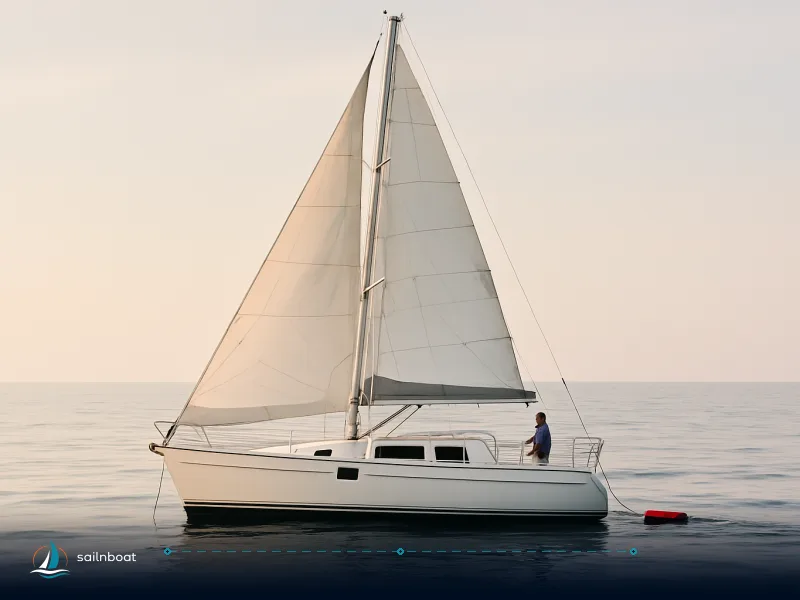
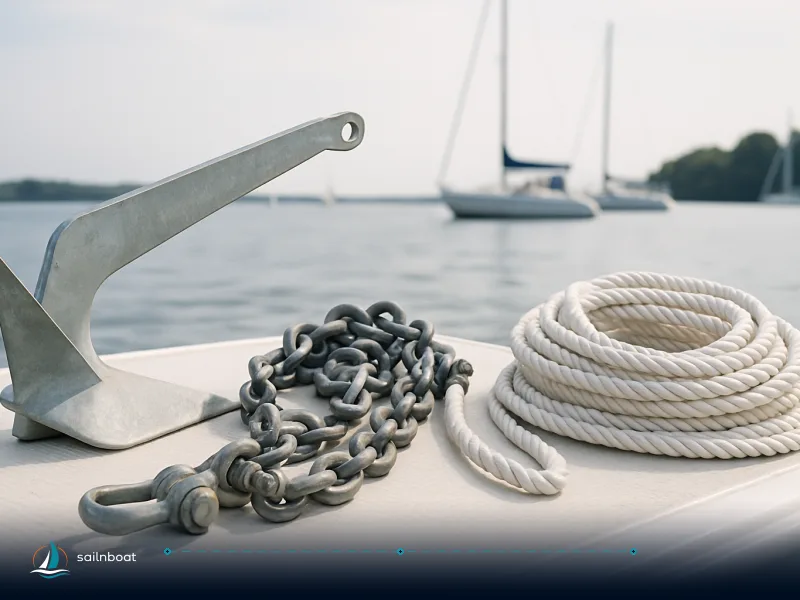
Using a Drogue: Rigging, Sizing, and Safe Deployment in Heavy Weather
A practical, step‑by‑step guide to using a drogue and sea anchor: how to size, rig and deploy from the cockpit, plus recovery methods, checklists and decision trees.

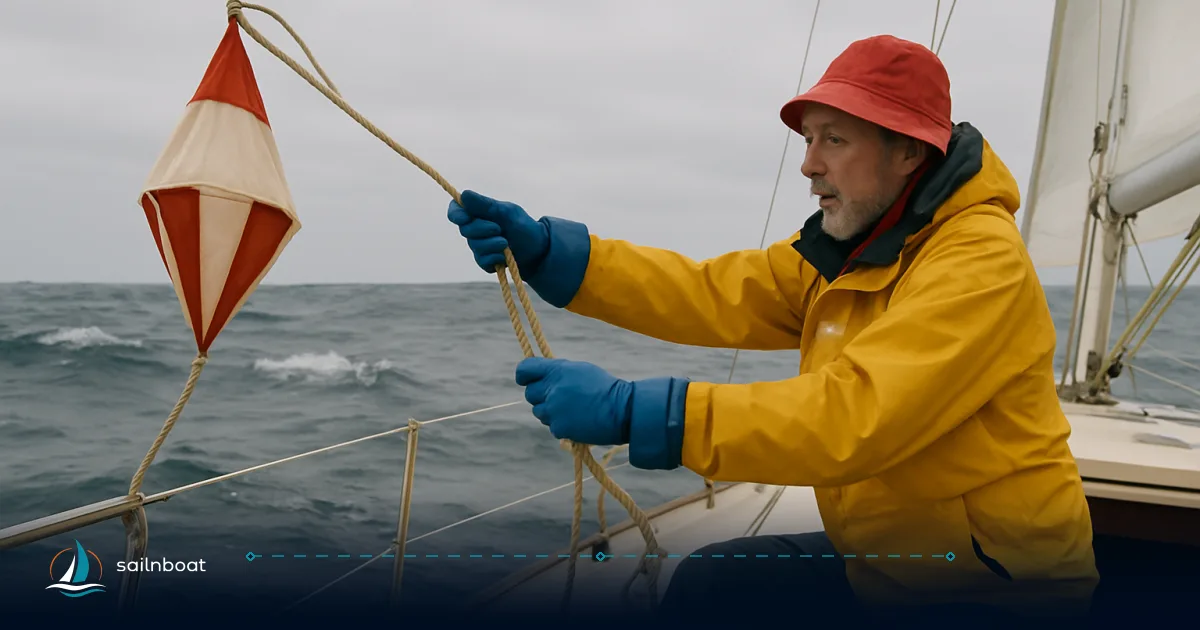
Using a drogue gives distributed stern drag so your boat tracks down large waves, reduces surfing and greatly lowers the chance of pitchpoling; choose a series drogue for sustained, heavy‑weather runs and a parachute sea anchor when you need to keep the bow into the seas and arrest drift.
Understanding Drogues and Sea Anchors
Definitions and Differences
- Drogue: a stern‑towed drag device that spreads resistance along a long rode so the boat rides down waves and avoids surfing or pitchpoling. Drogues come as series drogues (many small cones on a long line), para‑drogues (single or few canopies towed aft), or sinker/chain‑weighted drogues. The Jordan Series Drogue is the classic example of a distributed‑drag system.
- Sea anchor (parachute anchor): a canopy deployed from the bow that presents a large frontal area to the water, holding the bow to the seas and greatly reducing drift. Sea anchors are sized by canopy diameter and intended primarily to keep the bow into the waves. Fiorentino/Para‑Anchor style parachute anchors are widely used and sold with manufacturer sizing charts.
Applications and Use Cases
- Use a drogue when you are running before steep, breaking or confused seas and want to prevent the boat from surfing or burying the bow; drogues keep the stern in the water and let the boat track down the wave train. The Jordan Series Drogue is intended for continuous, long‑duration drag in extreme conditions.
- Use a sea anchor when you want to face the seas and minimise drift (for example, to await a weather window, prevent shore drift, or ride out a storm with the bow to wind and waves). A sea anchor is better for stopping movement; it is less helpful if the stern will be the vulnerable end in breaking seas.
- Trade‑off: Drogues let you continue running with reduced speed and control risk; sea anchors stop you but increase windage and can expose the stern to breaking waves if set poorly.
Rigging a Drogue: Step-by-Step Guide
Preparation and Equipment
Before any heavy‑weather passage, have a dedicated, pre‑rigged drogue system and practise the sequence in daylight. Critical items:
- Strong, dedicated stern attachment points reinforced to hull structure (padeyes or strong points through structure). Many experienced sailors reinforce a dedicated drogue padeye.
- Main rode: nylon or mixed nylon leader to give elastic shock absorption; for series drogues the tow line is typically heavy braided nylon sized for your displacement and chafe protected.
- Bridle/pennant: a short strong pennant between the tow rode and the boat, sized and shackled; include a retrieval bridle/tag line arrangement to ease recovery.
- Drogue bag or stow bag, tape‑marked deployment sequence, and a sheathed retrieval pennant/snatch block. Keep shackles, thimbles and spares in a weatherproof bag.
- Personal safety: lifejackets, half‑harnesses and jacklines, and a clear deck plan keeping crew away from the stern while the device is under load.
Deployment Procedure (cockpit‑centred)
Below is a cockpit‑focused, reproducible sequence. Practice this drill with calm seas and repeat until each role is automatic.
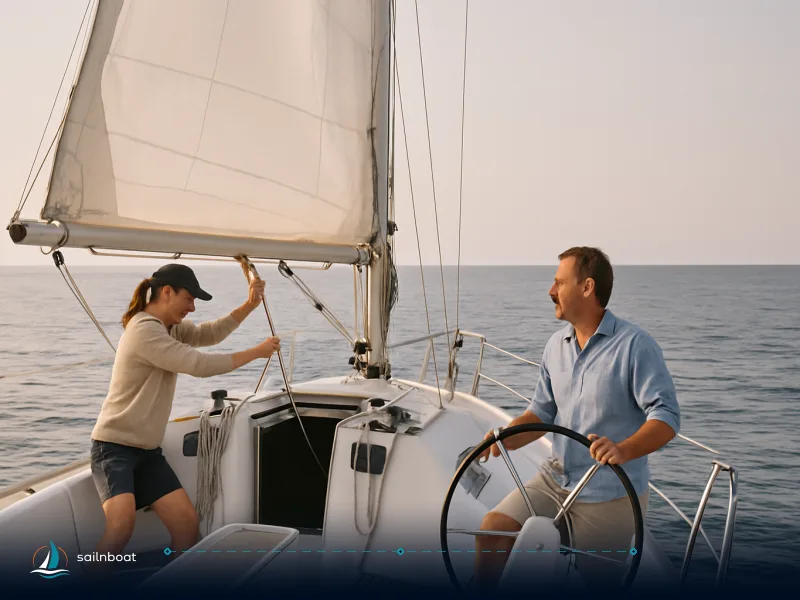
- Command: call the crew and assign explicit roles (helm, rode monitor, tag‑line handler, snatch block operator). Confirm harnesses on.
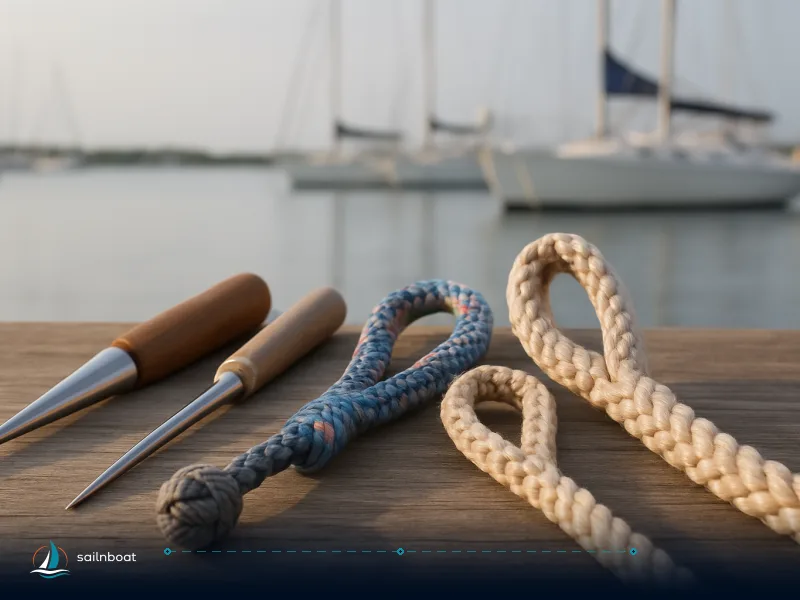
- Prepare tow bridle/pennant: run the bridle to the stern attachment points and secure with a soft‑shackle or screw shackle through a well‑fitted thimble. Clip a retrieval pennant/tag line to the bridle.
- Ready the drogue bag and rode: flake the rode into the bag so it can run free; lead the pennant through a cockpit snatch block or cockpit fairlead to avoid chafe. Keep the engine ready in neutral.
- Deploy progressively: ease the drogue over the stern from the bag and allow it to pay out under control while the helmsman keeps the boat dead downwind and the engine ready to relieve load if needed. With series drogues, cones come off the line sequentially; do not let the rode pile on the stern.
- Monitor loads: use a bridle and a shock absorbing snubber or a nylon bridle to smooth peak loads; pay attention to rode tension and stern behaviour. If loads spike, take engine off and run with the drogue to steady the boat.
Sizing Your Drogue for Optimal Performance
General Sizing Guidelines
- Series drogues are sized by displacement rather than simple LOA: the number of cones and total rode length are matched to displacement and expected load; a typical Jordan Series uses many small cones (often 100–200 cones of approx. 5in/12–13cm diameter) on a long rode. Total lengths commonly extend to 100–200 m excluding the bridle/pennant, with cone counts rising for heavier boats. Follow Don Jordan’s published guidance or a reputable builder’s spec for your displacement.
- Sea‑anchor (parachute) sizing is often given as canopy diameter related to cruising weight/LOA. As an example only, Fiorentino publish a sizing chart linking canopy diameter to boat weight/length (example: ~6ft canopy for ~30ft/10,000lb, ~12ft for ~45ft/30,000lb). Use the manufacturer chart for your exact model and consider hull type and windage when choosing size.
Sizing Table — practical examples (manufacturer examples)
| Boat LOA (approx) | Typical displacement / use | Recommended device (example) |
|---|---|---|
| ≤30 ft | <12,000 lb — light cruiser | Para‑anchor canopy ~3–6 ft (Fiorentino chart example) or small para‑drogue for short runs. |
| 30–45 ft | 10,000–30,000 lb — common bluewater yachts | Sea‑anchor canopy ~6–12 ft (Fiorentino example); Jordan Series drogue with proportionate cones/line length for displacement. |
| 45–65 ft | 30,000–50,000+ lb — heavy displacement | Sea‑anchor canopy 12–21 ft (manufacturer examples); JSD with more cones/longer rode per Jordan sizing. |
These are vendor examples (Fiorentino, Jordan) — exact canopy diameter, cone count and rode diameter must come from the specific manufacturer chart for your model and your vessel’s displacement, windage and hull form.
Manufacturer recommendations and trade‑offs
- Jordan Series Drogue: excels at preventing pitchpoling on long runs but requires robust stern attachments and lots of line and deck space. Retrieval is deliberate work.
- Fiorentino/Para‑Anchor: sea anchors are sized in canopy diameter; selecting one too small reduces stopping power, too large increases retrieval difficulty and windage. If you plan to heave-to with a para‑anchor, some skippers choose a slightly smaller canopy because the hull provides additional drag — manufacturer guidance reflects this.
Safe Deployment and Recovery Techniques
Safe Deployment Tips
- Practice the sequence in moderate conditions and repeat until each crew role is instinctive. Skippers who have used drogues emphasize that practiced deployment increases the chance of early use rather than reactive deployment.
- Keep the engine ready and the helm prepared to steer a steady run; abrupt steering changes under load can shock the rig. Use a bridle so loads are split across strong points rather than a single deck fitting.
- Control chafe: lead the rode through low‑friction fairleads, protect deck penetrations and pay attention where the rode passes over the stern pulpit or pushpit.
Recovery Methods
Recovery is a staged, controlled operation — do not attempt hurried retrieval in a confused sea:
- Take the load off the rode: bring the boat slowly head‑to‑wind (or into the seas if safer), or use the engine to reduce sternway while keeping the rode under controlled tension.
- Use a snatch block or high‑percentage winch and the retrieval pennant to transfer load to a winch or the engine. For series drogues, haul the cone line steadily; for para‑anchors, ease trip line if fitted to collapse the canopy before hauling.
- Stow in a bag to avoid fouling and keep the deck clear. If the rode is waterlogged, do not haul the entire heavy, soaked rode onto a light deck without plans for support and crew safety.
Practical tip: many crews fit a long retrieval bridle or extra pennant specifically to let them get a working line on the drogue end without wresting directly with the soaked main rode.
Common Mistakes to Avoid
Deployment Mistakes
- Waiting too long: late deployment often leads to disorderly conditions where crew safety and the ability to rig properly are compromised. The best practice is to err toward earlier deployment when the seas begin to bite.
- Weak attachment points: failing to reinforce stern fittings is a common and dangerous error; distributed loads from a drogue can rip out inadequate fittings.
- Wrong rode choice: using low‑stretch rope for the entire system without a nylon shock absorber increases peak loads; conversely, too long a soft rode without chafe control invites failure.
Recovery Errors
- Trying to pull a large, soaked canopy or long cone line by hand with crew unsecured on the stern. Always create a mechanical advantage and keep crew clear of snap‑loads.
- Not having a retrieval pennant or tag line pre‑rigged — improvising under stress increases danger.
Quick Reference: Checklists and Decision Trees
Pre‑Deployment Checklist (keep laminated at the chart table)
- Crew: assigned roles, lifejackets/harnesses clipped on.
- Engine: running and ready; fuel and cooling checked.
- Attachment: stern padeyes and bridle inspected; soft/shackle/oil‑free thimbles ready.
- Rode & bag: rode flaked into deployment bag; retrieval pennant attached.
- Chafe & fairleads: deck leads checked and protected.
- Communications: repeat command calls; confirm “ready” and “deploying”.
Decision Tree (short form)
- Are waves breaking on the stern or likely to surf you? — Yes → Consider series drogue; No → go to 2.
- Do you want to stop drift and face seas (risk: high windage / stern exposure)? — Yes → Deploy sea anchor from bow; No → Deploy drogue and run.
- Is your stern attachment reinforced and do you have a practiced retrieval plan? — No → reinforce before offshore passage / rig a simpler para‑drogue as interim.
(practical rule: if you’re debating, deploy sooner — controlled use beats reactive panic.)
What to Practise Before You Go Offshore
- Single‑handed and crewed deployments in daylight and moderate seas.
- Recovery drills with the engine and snatch block engaged (but with safety nets in place).
- Reinforcing attachment points and walking through every step on the checklist until the crew can do it while wet, cold and tired.
Final operational notes
- Manufacturer guidance matters — Jordan Series, Fiorentino/Para‑Anchor and other makers provide sizing and rigging specifics tailored to their product geometry. Match your boat’s displacement and windage to the maker’s chart and follow their recommended rode diameters and materials.
- Weight and rode choice affect performance: some tests and trials show adding weight near the drogue can help it sink and maintain steady tension, but this changes loads and attachment requirements — treat any weight addition as a design change and adjust fittings accordingly.
Equip yourself and your crew with the knowledge to deploy before conditions turn critical: pre‑rig, practice the exact cockpitted sequence, and carry manufacturer‑sized gear matched to your displacement — those steps make the difference between a recovery and a casualty in heavy weather.
Frequently Asked Questions
A drogue is a stern‑towed device that produces distributed drag to keep the boat tracking down waves and prevent pitchpoling; a sea anchor (parachute anchor) is deployed from the bow to keep the bow into the seas and largely stop drift. Device choice depends on whether you want to ride off waves (drogue) or face them (sea anchor).
Use a drogue when running before large waves or when you need to prevent surfing and pitchpoling; use a sea anchor to stop drift and keep the bow to breaking seas (e.g., heavy breaking seas where you want minimal leeway). The choice depends on sea state, wave period and your boat’s handling.
Rig a dedicated bridle or strong stern attachment, a long nylon rode with chafe protection, and a retrieval pennant or snatch block. Practice the sequence: secure attachments, pay out from a bag, keep the engine ready, release progressively and monitor rode tension. Recovery uses a retrieval line, snatch block and engine assist if safe.
Sizing varies by manufacturer and displacement. As an example, Fiorentino’s published chart ties parachute diameter to cruising weight/LOA (e.g., roughly 6ft canopy for a 30ft/10,000lb boat, 12ft for ~45ft/30,000lb); Jordan Series drogues use many 5in cones and scale by displacement and number of cones rather than single canopy diameter. Always consult the maker’s sizing chart for your boat.
Plan retrieval with a bridle tag line and retrieval pennant; take the load off the rode (bring boat head-to-wind/into seas or use engine), use a snatch block to haul in the rode in stages, store in a bag and clear chafe points — don’t attempt retrieval with crew exposed on the stern.
Common errors include late deployment, inadequate attachment points, wrong rode material/length, lack of practiced retrieval, and failing to protect chafe. Prepare attachment reinforcement and practice with calm-sea drills.
Yes — have a compact pre‑deployment checklist on your chart table (equipment, attachment, crew roles, engine ready) and a one-page decision tree that first asks: (1) Are waves breaking? (2) Are you running or drifting? (3) Is capsize/pitchpoling a risk? — follow paths to drogue or sea anchor deployment accordingly.
Written by
Sailnboat Editorial
The Sailnboat editorial desk covers yacht and boat chartering worldwide — routes, bases, seasons, boat types, paperwork and the practical costs that decide a trip. We are a charter marketplace, not a boat owner or a local agency: what we sell is judgement and support, so our guides are written to help you make a decision, not to sell you a specific boat. Every guide is checked against live operator and marina data before it goes out.
Fact-checked against live operator and marina data, and published under our editorial standards. Last reviewed: .