7-Day Sail Week Croatia Party Route: Split to Vis
A compact 7‑day party-focused sailing route from Split to Vis that keeps daily legs short, prioritises beach clubs and evening hotspots, and gives you mooring, dinghy and skipper guidance.

Start with the practical decision: this sail week croatia party route totals roughly 75 nautical miles over seven days, deliberately keeping daily hops short so you spend afternoons at beach clubs and evenings in town rather than on passage. The plan moves Split → Hvar → Pakleni Islands (Palmižana) → Vis, with return legs that allow two full nights in the Hvar party circuit and one night in Komiža (Vis) for a different, quieter scene.
Route-at-a-glance (quick comparison)
Use this table to choose the day you want to push longer or linger ashore. Distances are straight-line sailing estimates commonly used for planning; actual track miles will vary by channel choices and sheltering from wind.
| Day | Leg | Approx. nm | Est. sailing time* | Recommended night | Nightlife arrival |
|---|---|---|---|---|---|
| Day 1 | Split → Hvar | 25 nm | 4–5 h | Hvar Town (quay/marina) | Arrive 18:00–19:00 |
| Day 2 | Hvar → Pakleni (Palmižana) | 2–3 nm | ~0.5 h | Anchor at Palmižana (buoys/anchorage) | Arrive 16:30–18:00 |
| Day 3 | Palmižana → Vis (Komiža or Rukavac) | 14 nm | 2–3 h | Komiža harbour or Rukavac anchorage | Arrive 19:00–20:00 |
| Day 4 | Explore Vis (day trip options) | — | Local cruising | Komiža / Vis Town | Evening 19:00–20:00 |
| Day 5 | Vis → Hvar | 14 nm | 2–3 h | Hvar Town or Stari Grad (anchor) | 18:00–19:00 |
| Day 6 | Hvar → Split | 25 nm | 4–5 h | Split (ACI Marina or town berths) | 19:00–20:00 |
| Day 7 | Check-out / depart Split | — | — | — | — |
*Times assume typical summer conditions and an average charter boat speed (often around 6–7 kn for monohulls; faster for motor yachts, but actual speeds vary by vessel). Maestral builds daily—plan passages for the morning/early afternoon when appropriate.
Day 1: Split to Hvar
Sailing Distances and Duration
The straightforward hop from Split to Hvar town is commonly planned at roughly 25 nautical miles and is usually scheduled as a half-day passage—depart mid‑morning for a 4–5 hour transit that still leaves the afternoon in Hvar. Currents are minor on this leg but note the approach into Hvar harbour is busy in high season.
Mooring Options and Fees
- ACI Marina Split (if you start in Split): this main base offers full marina services; marina tariffs vary by season and boat length—expect a significant seasonal uplift in July/August compared with shoulder months. Large variations are normal; check the marina tariff on arrival.
- Hvar Town quay / nautical centre: Hvar town operates a port quay (nautical centre) where daily rates are charged by length; prices increase in high season and catamarans are usually charged at a higher multiplier. Town quays are the most convenient for nightlife but can be crowded—reserve if you can.
Practical tip: expect town quay/marina fees to vary widely by month and by LOA; many crews budget a broad range rather than a single figure because the official tariff is per metre and season-dependent.
Nightlife Arrival Timing
Plan to be ashore by 18:00–19:00 to secure dinner and a table at busy waterfront restaurants, then move on to bars around 21:30–23:00. Hula Hula is the classic pre‑nightclub sunset spot on the west-facing side of the harbour and tends to be active from late afternoon into the early evening; Carpe Diem runs both a beach club on the Pakleni islands and a harbour bar in Hvar—timings and operations change seasonally, so check opening programmes.
Dinghy Access & Skipper Difficulty
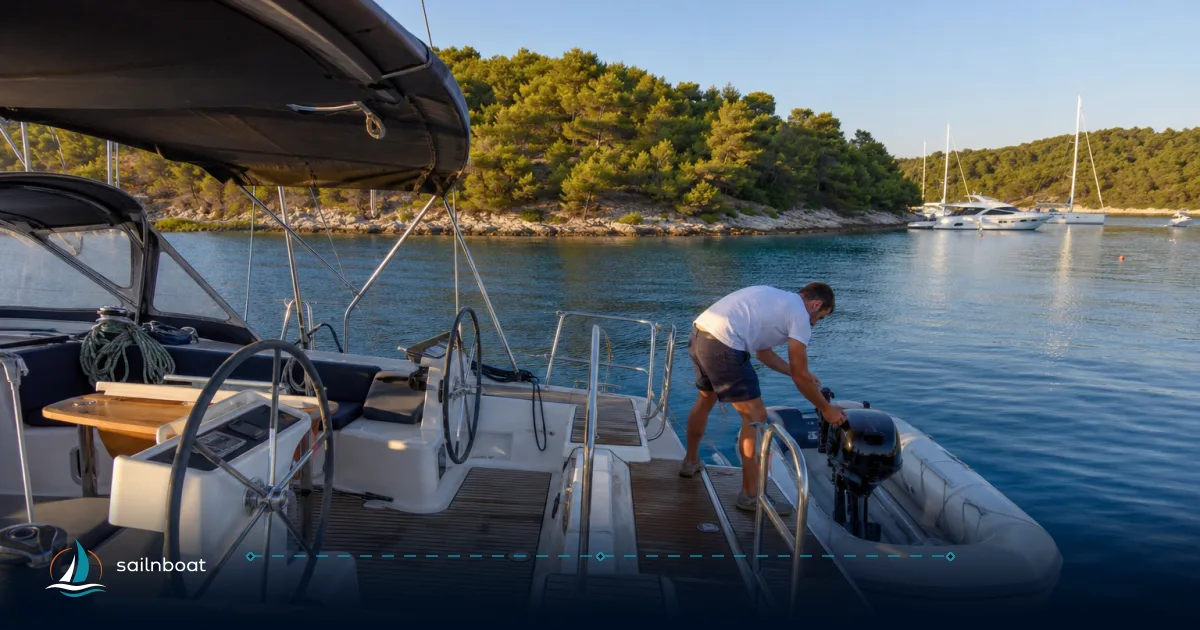
- Dinghy: Easy—Hvar town has stern-to dinghy landings and water taxis to Pakleni islands run frequently. Carpe Diem offers shuttle launches during the day.
- Difficulty (bareboat): 2/5. Navigation is simple; the challenge is traffic and securing a town berth in high season. Arrive earlier in the day or call ahead for space.
Day 2: Hvar to Pakleni Islands
Sailing Distances and Duration
Hvar to the Pakleni (Paklinski) islands is a very short hop—typically about 2–3 nm depending on which Pakleni bay you aim for—so plan about half an hour of light sailing or motor-in. That leaves most of the day free for beaches and beach clubs.
Anchorage vs. Marina
- Palmižana (Meneghello operation): the main bay at Palmižana offers both free anchoring in outer areas and a managed buoy field closer to the shore; buoy operators typically charge a nightly fee and can sell out on busy days. Published local reports and anchorage guides show typical buoy fees in the low tens of euros per night, while anchoring outside the buoy field is commonly permitted.
- Nearby marinas on Hvar: if you prefer a secure berth you can return to Hvar town or use nearby moorings, though this loses the beach‑club convenience.
Practical tip: buoys at Palmižana are convenient but limited; on a Saturday in high season the bay can be full by mid-afternoon. If you need a buoy, plan to arrive early (15:30–17:00).
Dinghy Access and Activities
- Dinghy: straightforward from both the anchorage and assigned buoys—there is a small dinghy quay and beach club landings. Many beach clubs (Laganini, Carpe Diem Beach) operate limited tender landings and charge for sunbeds and daybeds. Expect to tender off to the beach club landing rather than drop the dinghy on the sand.
- Activities: beach clubs, paddleboards, short swims to nearby coves, and late‑afternoon sunset drinks at bars on the western headlands.
Nightlife Arrival Timing & Skipper Difficulty
- Arrive at Palmižana by 16:30–18:00 to claim either a buoy or a comfortable anchorage spot and reach beach clubs before sunset. After‑beach parties typically start around sunset and continue into late evening at some venues.
- Difficulty (bareboat): 1/5. Short sheltered passages and simple anchorings; the main operational challenge is finding and securing a buoy or anchorage in crowded summer conditions.
Day 3: Pakleni Islands to Vis
Sailing Distances and Duration
The crossing from the Pakleni area toward Vis (either Vis Town or Komiža on the west coast) is the first longer open-water leg: plan roughly 14 nautical miles and 2–3 hours depending on your destination and speed. This leg crosses more exposed water and can feel windier if the maestral or a northerly develops.
Mooring Options
- Komiža harbour (Vis west coast): Komiža offers town berths and mooring buoys; the local nautical office publishes tariffs and the harbour operates a small marina area—this is the most practical berth for nightlife in Komiža. Town quay rates are per metre and rise in peak summer.
- Rukavac anchorage (Vis): there are sheltered anchorages and smaller bays around Vis that are suitable for overnighting if you prefer quieter evenings; expect to tender ashore rather than land stern-to a quay.
Fee note: harbour and quay fees in Vis/Komiža are charged per metre and depend on season; for planning, allocate a budget range rather than a single figure.
Nightlife Arrival Timing
- Komiža has a quieter, later-evening rhythm—aim to be ashore by 19:00 for dinner at local konobas (traditional eateries) then head to bars from 21:00. The scene is less clubby than Hvar but local bars and restaurants (look for places advertising live music or DJ nights) keep the evening going.
Dinghy Access & Skipper Difficulty
- Dinghy: Komiža’s quay and small piers make stern-to landings straightforward; in small bays or crowded anchorages you may need to row the dinghy to shore or use designated landings.
- Difficulty (bareboat): 3/5. The leg is reasonably short but is the most exposed early in the week—watch for a building maestral (NW) in the afternoon or an unexpected bura in cooler months. Navigation into Komiža is simple but tight on berths when busy.
Day 4: Explore Vis
Daytime Activities
Use this day to slow down: popular options are the Blue Cave and nearby Biševo island day trips (note: Blue Cave visits operate on time slots and are weather-dependent), winery visits inland on Vis, or a short cruise around secluded bays like Stiniva or Srebrena. If you plan an organised Blue Cave trip, book early in high season.
Nightlife Options
Vis and Komiža offer a different rhythm from Hvar—expect small bars, live music and quieter late-night spots rather than large clubs. Martinis Marchi and similar venues (established cocktail bars/restaurants) are popular choices in Vis/Komiza waterfront areas; plan dinner at 19:00–20:00 and expect bar activity to continue late into the evening in summer. Note that larger concerts or events shift local timings.
Dinghy Access & Skipper Difficulty
- Dinghy: good access at town quays; if you anchor in coves, tendering is normal. Some protected bays have limited shore facilities—plan for tendering to a pebble beach.
- Difficulty (bareboat): 1–2/5 for local cruising if you keep runs short; the day’s risk is weather turning (bora), so monitor forecasts.
Day 5: Vis to Hvar
Sailing Distances and Duration
Return to Hvar is comparable to the outbound crossing—about 14 nm and 2–3 hours depending on exact track and speed. If you want Stari Grad as a more sheltered alternative overnight, add Dubrovnik–style shore plans or use Stari Grad’s anchoring; Stari Grad is roomy but farther from the Hvar Town nightlife.
Mooring Options
- Hvar Town quay remains the best location for nightlife access; Stari Grad and other bays provide excellent anchoring options if you prefer quieter mooring and a short taxi back to town for the evening. Marina/town quay tariffs apply in Hvar Town—book early for prime mid-summer dates.
Nightlife Timing & Dinghy Access
- Aim to be ashore 18:00 for dinner in Hvar or 17:00 if you plan to catch a sunset party on the bayside (Hula Hula style). Dinghy access is easy to the town quay or to beach club landings depending on where you anchor.
Skipper Difficulty
- 2/5. The return is routine navigation but crowded channels and harbour approaches increase workload. If you expect to arrive late, call harbour authorities about stern-to options.
Day 6: Hvar to Split
Sailing Distances and Duration
The longer home leg runs close to the Day 1 distance—about 25 nm and 4–5 hours depending on wind and routing. Depart with fuel, garbage and provisioning in order; many operators expect the boat back with diesel levels at or near handover minimums, so plan for fuel stops if necessary.
Mooring Options
- ACI Marina Split and other Split marinas can accommodate charter handovers; marina tariffs vary strongly with LOA and date—expect higher peak-season charges on weekend nights. If Split main marina is full, nearby marinas in Kaštela and West Harbour are options.
Nightlife in Split
- Split has a larger and later-night scene than Hvar in some seasons—aim ashore by 19:00 for dinner and head to popular bars/clubs later. Hemingway Bar, Club Central and other central venues operate late; timing depends on the season and special events.
Dinghy & Skipper Difficulty
- Dinghy: easy at the Split waterfront; larger marinas have dedicated dinghy/guest landings.
- Difficulty (bareboat): 2/5. Final long leg but routine; ensure your crew is rested before the passage and check the afternoon maestral timing.
Day 7: Departure from Split
Departure Planning
Most charter handovers require you to return the boat in the morning (many operators set check‑out times around mid‑morning—commonly 08:00–10:00 though this varies by company). Allow time for fuel top-up, cleaning, final inventory and a harbour-agent check-out. Budget for any final marina or quay fees if you used their services the night before.
Final Tips
- Weather windows: summer afternoons commonly bring the maestral (NW sea breeze) which strengthens in the late morning and afternoon; plan exposed crossings for earlier in the day when safe. Northern bura gusts can be sharp and are more common in shoulder months—watch forecasts.
- Buoy vs anchor: buoys at Palmižana and small islands cost more but save anchor watch and make tendering easier—arrive earlier to secure them on busy days.
- Nightlife: Hvar is the busiest and most club-focused; Vis/Komiža is quieter, more local and excellent for a contrast evening. Local events and municipal sound regulations can change closing times—adjust expectations accordingly.
Route-specific operational notes (what your skipper needs to know)
- Harbour booking: in July/August many town quays and popular marinas sell out early; if your group requires a town berth for nightlife, attempt reservations or arrive well before 18:00.
- Fueling and provisioning: Split and Hvar have full provisioning and fuel services; Komiža has limited options—top up fuel before leaving major ports.
- Waste & marina rules: marinas and port authorities have specific waste rules and local tariffs are per metre; catamarans usually pay a surcharge. Factor this into your budget.
Safety and weather checklist for the party week
- Check the daily forecast for maestral timing; plan exposed crossings for morning/early afternoon.
- Keep a list of harbour VHF channels and harbour-master phone numbers for Hvar, Komiža and Split; call ahead if arrival will be outside typical hours.
- Night‑sailing: avoid unless your crew is comfortable—the busiest areas (Hvar harbour, Palmižana approaches) are often lit but congested.
Budgeting quick reference (what to expect)
- Mooring: wide variation—town quays/marinas are priced per metre and surge in July/August; Palmižana buoys are commonly charged per buoy and are modest relative to marinas. Plan a margin rather than fixed numbers.
- Food & clubs: beach-club daybeds and organised dinners add substantially to a party budget; club entrance and VIP options are available in Hvar and at high-end beach clubs.
Final decision pointers (trade-offs)
- Anchor at Palmižana to prioritise daytime beach‑club access and a classic Pakleni sunset party; accept a simpler overnight and tender logistics.
- Use Hvar town quay when you prioritise door‑to‑door nightlife access and restaurant dining—pay more and expect tighter berthing.
- Choose Komiža/Vis night if you want a quieter, more local evening and no big-club scene; it’s a good contrast night mid-week.
Plan your sail week croatia party route around the balance you want: late nights in Hvar and beach‑club days in the Pakleni islands, with Vis giving you a relaxed island evening to recover. When you’re ready, reserve berths for the Hvar nights and Palmižana buoys early, brief your skipper on maestral timing, and budget a flexible mooring allowance for high-season tariffs. Plan your sailing adventure now and book your yacht charter.
Frequently Asked Questions
Daily legs are short: Split→Hvar ~25 nm (4–5h), Hvar→Pakleni ~6–8 nm (1–2h), Pakleni→Vis ~14 nm (2–3h), plus return legs Vis→Hvar ~14 nm and Hvar→Split ~25 nm. Expect relaxed passages with time for lunch swims and beach clubs.
Use town quays/marinas in Hvar Town, Komiža and Split for nightlife access; anchor at Palmižana (Pakleni) for beach clubs. Mooring fees vary by season and length: expect a wide range (town quay/marina fees typically increase in high season; popular buoy operators charge modest nightly fees).
Plan to be ashore 18:00–19:00 in Hvar for dinner and bars, 17:00–18:00 in Palmižana for after‑beach parties, and 19:00–20:00 in Vis/Komiža for dinner then bars; nightclubs peak much later (22:30–01:30) depending on the venue and season.
Dinghy access is widely available at Palmižana, Hvar town quays and Komiža; expect stern-to quay landings in town, buoy fields or limited dinghy landing in protected beaches, and special rules in some conservation zones or private beach clubs.
Most legs score easy-to-moderate: sheltered hop to Pakleni is easy, open crossings to Vis are moderate because of exposure and potential maestral or bora; plan passage timing and check forecasts.
Written by
Sailnboat Editorial
The Sailnboat editorial desk covers yacht and boat chartering worldwide — routes, bases, seasons, boat types, paperwork and the practical costs that decide a trip. We are a charter marketplace, not a boat owner or a local agency: what we sell is judgement and support, so our guides are written to help you make a decision, not to sell you a specific boat. Every guide is checked against live operator and marina data before it goes out.
Fact-checked against live operator and marina data, and published under our editorial standards. Last reviewed: .