Charter Provisioning: A Step-by-Step Guide for Sailors
A practical, step-by-step approach to charter provisioning: plan menus, build a checklist, choose self‑provisioning or a supplier, and store perishables so your crew eats well at sea.

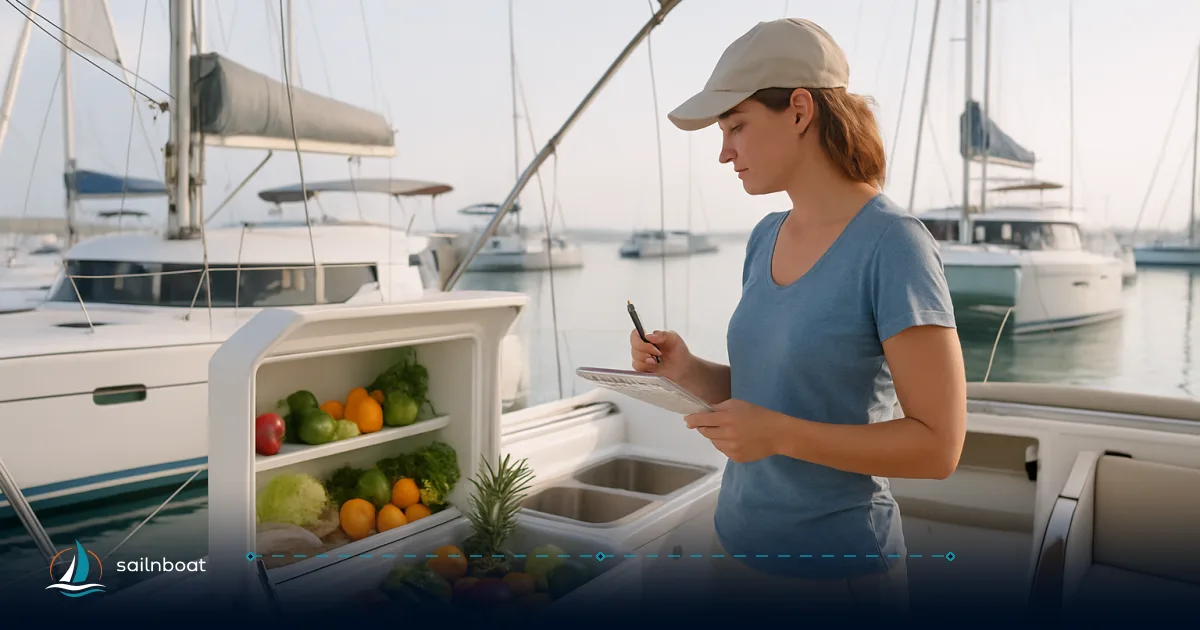
For a seven‑day bareboat charter plan on feeding your group as a line item: budget roughly €30–50 per person per day for groceries and soft drinks in a Mediterranean-style charter — more if you want premium wine, fresh shellfish or a cook. Charter provisioning is a practical exercise: create a tight menu first, convert it to quantities, then choose whether you’ll shop yourself or buy a supplier package; the choices you make determine cost, storage load and daily galley work.
Meal Planning: Crafting a Menu for Your Charter
Good meal planning reduces waste, pressure in the galley, and mid-week provisioning runs. Build the menu before you shop and treat it as the contract between the crew and the cook.
Planning Your Weekly Meals
- Start with a 7×3 grid: breakfast / lunch / dinner for each day. Mark two flexible “re-use” meals (e.g., roast chicken becomes sandwiches the next day).
- Account for activity: longer sails and anchorages mean quicker, simpler meals; days ashore allow one restaurant night to cut provisioning needs.
- Dietary needs: list allergies and intolerances as hard exclusions. For vegetarians or children, calculate alternate proteins (eggs, legumes, canned fish) and keep them separate.
- Mix fresh and long‑life: plan fresh produce for days 1–3, hardy vegetables (carrots, cabbage, potatoes, onions) for later, and frozen proteins for days 4–7. This balances quality and stowage life.
- Decide drink policy early: if you supply alcohol, factor per‑person bottle counts into your budget and fridge space; many charters limit duty-free alcohol per passenger depending on region.
Quick weekly-menu example (6 adults, 7 days):
- Breakfasts: yogurt/fruit/oats; day 2: eggs & toast; day 4: pre-made muffins.
- Lunches: mezze platters, cold pasta salad, grilled sandwiches.
- Dinners: one-pot pasta, grilled fish and veg, chicken traybake, shore restaurant.
Creating an Effective Provisioning Checklist
A checklist removes decision friction on the quay. Organise items by storage type and by day of use so perishables are loaded last.
Essential Items to Include
Use this storage-organised checklist when ordering or shopping.
Pantry / ambient (quantities are typical, scale to crew size)
- Pasta, rice, couscous — typically 80–120 g per person per meal, but confirm with your group or charter operator.
- Canned tomatoes, beans, tuna — 2–4 cans per meal type.
- Bread / wraps — often 0.15–0.30 kg per person per day, but actual needs vary; confirm with your group or provisioning service.
- Breakfast staples: oats, cereals, long-life milk.
- Coffee & tea: consider per-person daily portions (e.g., 1–2 coffees).
- Cooking oil, vinegar, salt, pepper and basic spices.
- Snacks: nuts, crackers, biscuits, crisps.
Fridge / chilled
- Milk, yoghurt, cheese (hard cheeses last longer), cold cuts — buy for first 2–3 days or vacuum-seal for longer keep.
- Fresh fruit and vegetables — choose items that store well: apples, citrus, carrots, cucumbers.
- Fresh proteins (fish, meat): buy frozen or purchase fresh locally on day one and consume early or freeze immediately.
Freezer
- Frozen fish, chicken breasts, peas/mixed veg — freeze-on-board keeps them for mid/late week meals.
Drinks
- Drinking water: commonly planned at 2–3 L per person per day for drinking, but check with your charter base or local guidelines.
- Soft drinks, mixers and beer/wine amounts according to crew preference.
Additional Supplies
- Cooking essentials: olive oil, butter, flour, sugar, bouillon, stock cubes.
- Condiments: mustard, mayonnaise, ketchup, soy sauce, hot sauce.
- Non-food items: toilet paper (several rolls per person/week depending on usage), hand soap, dishwashing liquid, sponge, cloths, bin liners (heavy duty), aluminium foil, cling film, resealable bags, paper towels.
- Medical/first aid: seasickness remedies, paracetamol/ibuprofen, antiseptic wipes, plasters.
- Galley tools: sharp knife, can opener, cutting board (two sizes), pot/pan lids, baking sheet, tongs, long-handled spatula, oven mitts.
- Cleaning & boat care: biodegradable washing-up liquid where local regs require it, brush, bucket for deck washing.
Provisioning checklist table (example quantities for 6 adults, 7 days)
| Item | Qty (6 people, 7 days) | Storage |
|---|---|---|
| Drinking water | 84–126 L (2–3 L pp/day, typical) | Bottles / tanks |
| Pasta | 3–4 kg | Pantry |
| Rice | 1.5–2 kg | Pantry |
| Fresh fruit (apples, citrus) | 6–12 kg | Fridge/pantry |
| Fresh veg (carrots, cucumbers, tomatoes) | 6–10 kg | Fridge |
| Fresh fish (frozen or fresh) | 6–8 portions | Freezer/Fridge |
| Cheese (hard & soft) | 1.2–2 kg | Fridge |
| Eggs | 6–8 dozen | Fridge |
| Bread | 6–8 loaves / 2–3 large packs | Fridge / pantry |
| Toilet paper | 12–18 rolls | Locker |
| Bin bags (heavy duty) | 1–2 packs | Locker |
(calibrate amounts to crew appetite and the number of restaurant nights)
Shopping Strategies: Self‑Provisioning vs. Charter Company Services
Decide whether you have time and local knowledge to shop, or prefer to pay for convenience.
Self‑Provisioning
Pros:
- Full control of brands, quality and price; you can hunt local markets for value or speciality goods.
- Easier to stay within a tight budget if you shop smart.
Cons:
- Time cost: allow 1–3 hours to shop for a week for a medium-sized group; actual time for six people varies by location and logistics.
- Logistics: you must carry goods to the quay (rentable taxis or boat agents may help).
When to self-provision:
- You want specific brands or have strict dietary needs.
- Base is close to good supermarkets or a local market.
- You want to shop and choose local produce.
Charter Company Provisioning (or local provisioning services)
Pros:
- Delivered to the boat and often organised by meal plan or set menus; saves time on arrival day.
- Useful for first-time charters or if your arrival is late.
Cons:
- Usually priced higher than supermarket self-shop; some services charge flat fees, minimum orders or markups.
- Errors happen: deliveries can be short, mismatched or missing fresh items if timing is tight.
Comparison table: Self-provisioning vs Charter provisioning
| Factor | Self-provisioning | Charter provisioning service |
|---|---|---|
| Cost | Lower (control brands) | Higher (convenience & delivery fee) |
| Time | High (shopping + stowage) | Low (delivered to boat) |
| Flexibility | High (choose exact products) | Medium (packages or menus) |
| Minimum order | None | Often minimums / menu packages |
| Reliability | Dependent on your schedule | Dependent on supplier accuracy |
Tip: a hybrid approach works well — pre-order staples or heavy items from the charter supplier (water, toilet paper, bulk wine) and self-shop fresh produce and local specialties.
Onboard Cooking: Tips for Preparing Meals in a Galley
A yacht galley is a small, moving kitchen. Plan recipes that reduce mess and crew time.
Easy‑to‑Prepare Meals
- One‑pot dinners: risottos, stews, curries or pasta with sauce — minimal pans and washing.
- Grill or skillet fish with simple sides — fast, fresh and low cleanup.
- Cold meals: mezze boards, salads, ceviche (if you can source excellent fresh fish and work fast).
- Pre-make: marinated proteins or sauces at home, or buy ready-to-cook options from local delis.
- Frozen convenience: frozen vegetables and pre-portioned proteins cut cooking time and save fridge space.
Sample 3-night rotation for a 6-person crew:
- Night 1: One-pot tomato pasta + salad.
- Night 2: Grilled fish fillets, roast potatoes, simple slaw.
- Night 3 (shore night): eat ashore — use leftovers for lunch next day.
Cooking Techniques
- Use lids to reduce heat loss and boiling time; use one large pot for many tasks when possible.
- Pre-cut veg ashore or buy pre-cut to save time; store in airtight boxes to reduce odours and spillage.
- Stow spices/condiments in a small caddy; secure with elastic to avoid spills while motoring.
- Keep a small “spill kit” (baking soda, absorbent cloths) and a fire extinguisher near the galley.
Galley handover checklist with the charter base: confirm fuel for cooktop, working fridge/freezer temps, presence of basic utensils, and any galley-specific safety rules the base enforces.
Managing Storage: Maximising Space and Freshness on Board
Space is the limiting factor. Stow by use‑date and temperature needs.
Storage Solutions
- Fridge & freezer targets: maintain fridge at ≤4°C (40°F) and freezer at ≤ -18°C (0°F) to keep perishables safe; monitor with a thermometer if possible. These are standard food-safety targets used widely.
- Pack by day: put first‑use meals on top or front of lockers; rotate forward as you consume.
- Airtight containers: reduce odours, keep insects and moisture out, and prevent spills while underway.
- Vacuum-seal bags: ideal for bulk proteins—they save space and extend life in the fridge/freezer.
- Use cushions and deck lockers for stable dry storage (bread, canned goods), keeping them clear of bilge water and fuel.
Practical stowage tips:
- Load fresh produce last and use within the first 48–72 hours.
- Freeze proteins as early as possible after purchase; frozen items serve as an onboard “cold battery”.
- Avoid storing perishable trays on the fridge floor—allow airflow and keep vents clear.
Waste Management
- Minimise packaging at the shop (buy bulk where possible) and bring reusable produce bags.
- Segregate waste: one small bin for organic, one for recyclables, and a secure bag for non-recyclables.
- Plan disposal points: many marinas accept rubbish and separate recyclables, but practices differ by country — plan to offload waste at the next town with proper facilities.
- Composting: on small boats this is rarely practical; instead minimise organic waste and sack it for shore disposal.
Typical Costs Associated with Charter Provisioning
Provisioning costs vary by region, menu ambition and whether you use a supplier or chef.
- Bareboat grocery range: for Mediterranean bareboat charters a common guidance band is about €30–50 per person per day for standard groceries and soft drinks; lower in some markets, higher if you include premium alcohol or shellfish.
- Provisioning services / set menus: providers advertise a range of packaged provisioning rates for standard menus; actual costs vary by region and provider, and premium or chef services are more expensive and sometimes folded into an APA for larger crewed yachts.
- APA / Advance Provisioning Allowance: on crewed yachts the APA commonly covers food, fuel and port fees; for large yachts it is often expressed as a percentage of the charter fee (commonly 20–35% in many markets). On bareboat charters you typically pay provisioning directly or split a “boat kitty”.
- Hidden costs: marina fridge top-ups, extra ice, late-arrival deliveries and mid-week re-provision runs can add €50–€150 per stop depending on location and quantities.
Budget worked example (6 people, 7 days):
- Conservative groceries (self-shop) at €30 pppd: 6 × 7 × €30 = €1,260.
- Mid-range provisioning service at €45 pppd: 6 × 7 × €45 = €1,890. Adjust up for alcohol, crew meals, or a private chef.
Final checklist and practical sequence for provisioning day
- Finalise menu and portion list at least 72 hours before embarkation.
- Order staples (bottled water, loo roll, bulk wine) from a supplier 48–24 hours before arrival if you want delivery.
- Reserve 1–3 hours on arrival for shopping and stowage if self-provisioning; prioritise perishables last.
- On handover, check fridge/freezer temperatures and available galley equipment; note any missing items on the inventory.
- Label leftovers and rotate daily; keep a small inventory sheet so the person cooking can see what’s left.
Start planning your charter provisioning today for a seamless sailing experience: decide your menu, choose the provisioning route that fits your budget, and make stowage a step in your handover checklist to avoid surprises on day one.
Frequently Asked Questions
Include proteins (fresh/frozen/long-life), grains/pasta, breakfast items, fruit & vegetables (durability prioritized), bottled water (2–3 L per person/day), cooking oil, basic spices/condiments, bread, snacks, coffee/tea, soft drinks and alcohol if wanted, plus non-foods: toilet paper, dish soap, bin bags, paper towels, foil, batteries and basic first-aid supplies.
Create a daily menu template (breakfast, lunch, dinner, snacks), mark meals that reuse ingredients, group fresh produce for early days, freeze proteins for later, and make a shopping list tied to quantities per person.
Self-provisioning gives price control, brand choice and local shopping but costs time and luggage; charter provisioning is convenient, delivers to the boat and can stock local specialities but usually costs more and can have minimums or mark-ups.
Keep the fridge at or below 4°C (40°F) and the freezer at or below -18°C (0°F), use airtight containers, rotate items by use-by date, buy the most perishable produce last, and use ice or insulated boxes for short transfers.
One-pot pastas, skillet fish with pre-cut veg, grilled skewers, chilled mezze plates, and pre-made salads are quick and use minimal utensils and cleaning.
Minimise packaging, separate recyclables into labelled bags, keep a dedicated bin for organic waste, and offload rubbish at marinas or towns—many ports have recycling but policies vary by country.
Expect a wide range: roughly €30–50 per person per day for groceried bareboat provisioning in the Med; basic provisioning services or set menus often charge $20–40 per person per day and fully crewed/chef services are much higher or covered via an APA (often 20–35% on larger, crewed yachts).
Written by
Sailnboat Editorial
The Sailnboat editorial desk covers yacht and boat chartering worldwide — routes, bases, seasons, boat types, paperwork and the practical costs that decide a trip. We are a charter marketplace, not a boat owner or a local agency: what we sell is judgement and support, so our guides are written to help you make a decision, not to sell you a specific boat. Every guide is checked against live operator and marina data before it goes out.
Fact-checked against live operator and marina data, and published under our editorial standards. Last reviewed: .