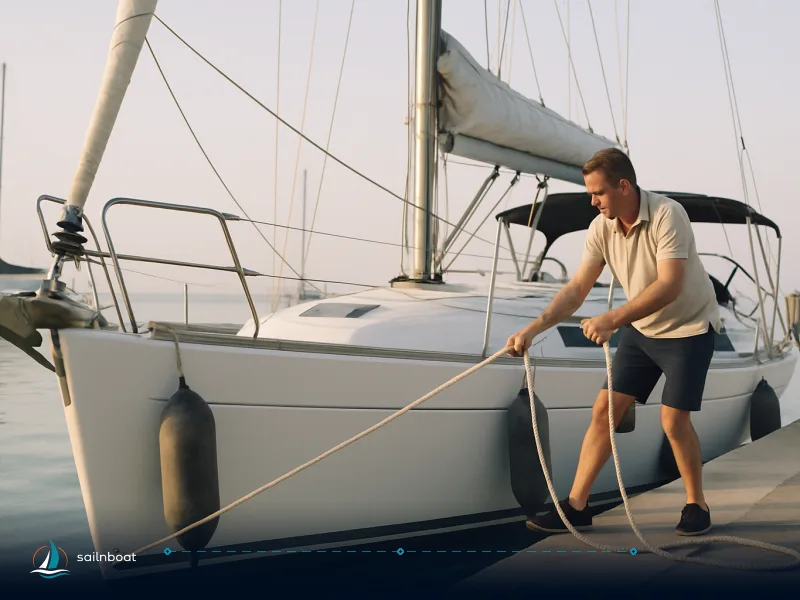
Using a Boat Hook: Techniques for Mooring and Safety
Clear, step‑by‑step techniques for using a boat hook to moor, recover a dinghy and work safely on deck, plus drills, maintenance and recommended models for charter tenders.

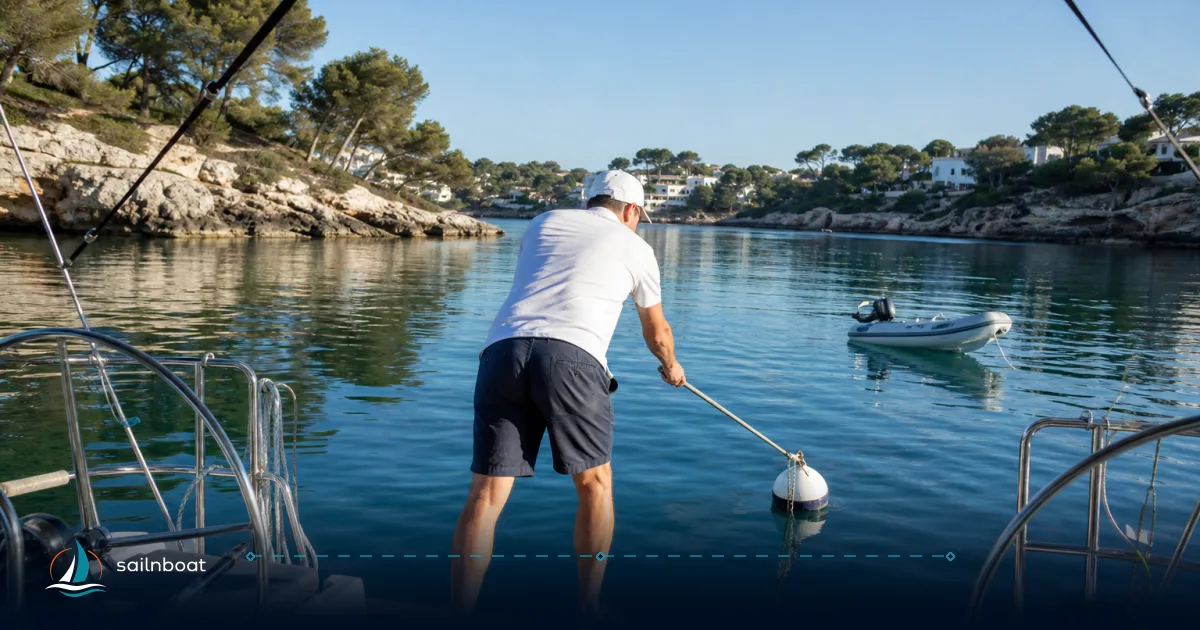
A good boat hook gives reach, control and a safer alternative to leaning over the rail — for most charter tenders aim for about 1.8–2.4 m of usable length and a secure locking system.
Techniques for Effective Mooring Using a Boat Hook
Mooring techniques
-
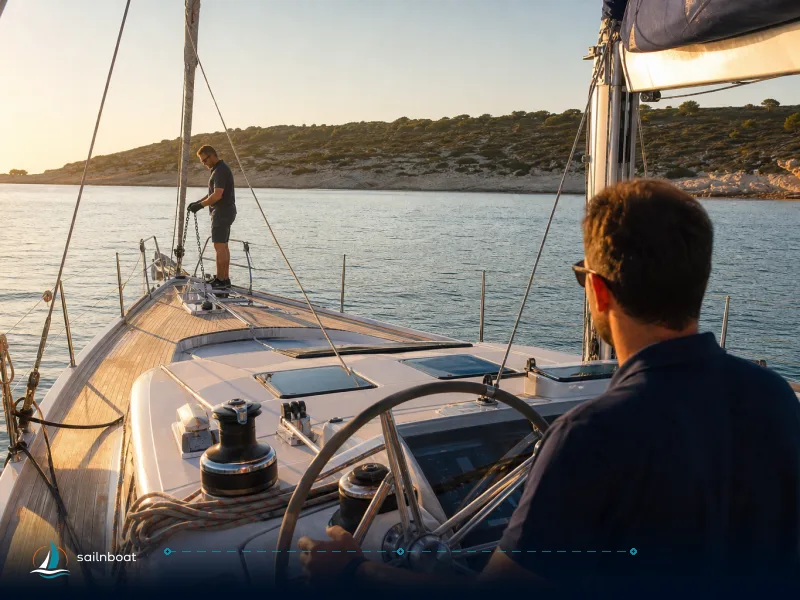
Prepare before you arrive: fenders set, lines led and crew briefed with clear commands (e.g., “Bow ready,” “Take‑in,” “Make off”). Lay the boat hook within easy reach on the bow — don’t leave it stowed when you’re approaching a mooring or berth. Many seamanship guides recommend carrying a ready‑to‑hand hook rather than reaching for it after manoeuvring begins.
-
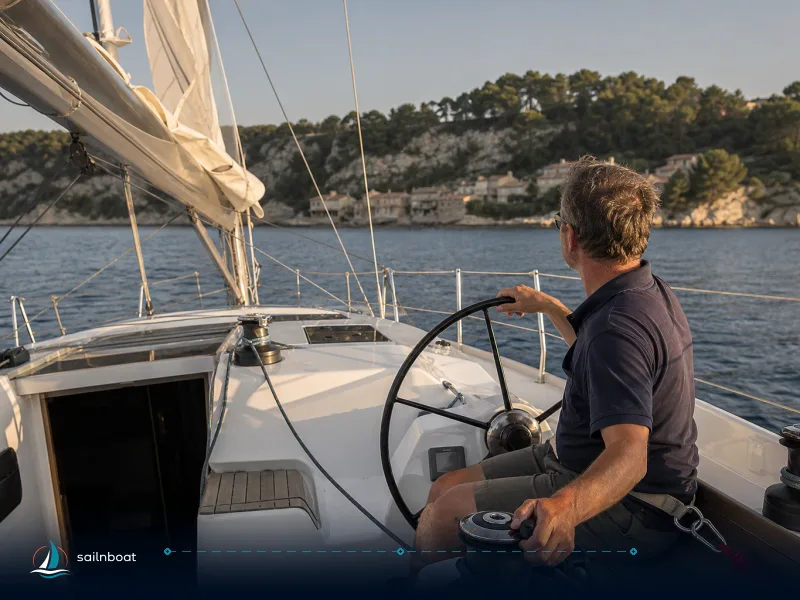
Approach and speed: keep steerage and approach at slow speed in a straight line or slight angle so a crew member can use the hook without the boat surfing off. Use propwash or engine thrust in brief bursts to hold position while the bow crew reaches.
-
Reaching and retrieving a mooring pennant or buoy:
- Extend the pole to the length you need, lock it positively and adopt a low, braced stance with both hands on the pole.
- Hook or loop the pennant or ring — for moorings, aim to work the hook under the pennant so you can pull it toward you rather than lift it. A device designed to thread a line through a ring speeds this step; certain mooring hooks allow you to bring the line through in one motion.
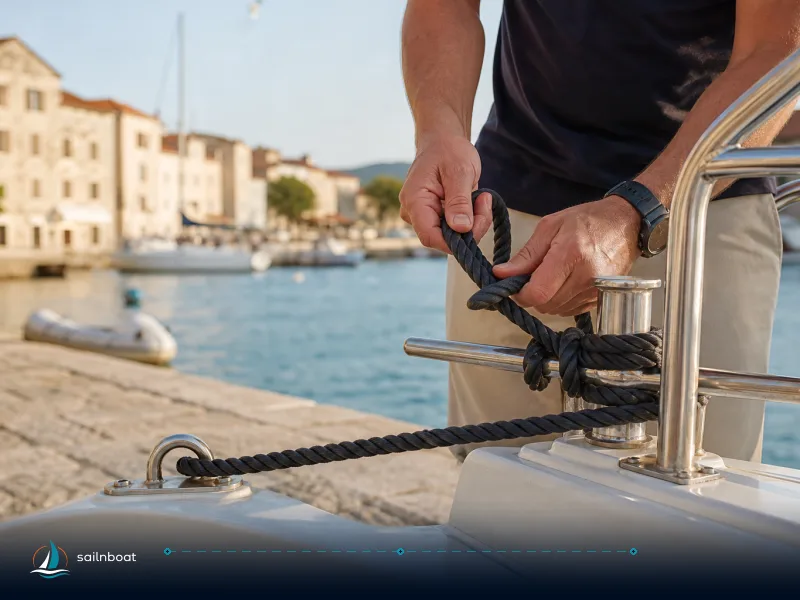
- Once you have the pennant, pull it aboard while a colleague takes the slack and makes an initial turn around a bow cleat (half‑hitch or round turn and two half hitches for temporary control).
- Transfer load from the hook to the line gradually: take a snug turn on a cleat, then ease the hook away. Never let the hook bear the full load for long.
- Fending off with a hook: use the pole blunt end or shaft to push lightly on a piling or neighbouring hull to keep spacing while a line is being made fast; avoid levering off with the hooked head at full extension — the head can slip and the user can be pulled forward.
Med‑mooring (Mediterranean moor)
- Typical med‑moor procedure uses the hook to pick up the mooring buoy or to get a stern line to the quay:
- Approach stern‑to the quay with a bow anchor or spring ready if required.
- Crew on the stern or bow uses the hook to pick up the painter or mooring pennant and pass it to the crew on deck.
- Make the stern line and then adjust springs and bow lines as necessary to keep the boat snug.
- Practical point: a longer pole is preferable for higher freeboard yachts — better too long than too short so you can hold the pole shorter if necessary. Several authoritative guides recommend a hook length in the 1.8–2.4 m band for most boats.
Safe Methods for Recovering a Drifting Dinghy
Dinghy recovery procedures
-
Brief your plan: name roles (helm, bow person with hook, deck hand to take line) and a single call for each step (“Hold,” “Take‑in,” “Secure”).
-
Approach technique:
-
Approach slowly, preferably from leeward or a slight stern quarter so you can ease up without a direct collision and keep the dinghy alongside.
-
Keep the engine at idle; the aim is to position rather than run into the dinghy.
-
Using the hook to secure and pull the dinghy:
- With the dinghy alongside, use the boat hook to pick up the painter, a thwart, or a grab‑handle — aim low and pull the dinghy inboard rather than trying to lift it.
- Feed the painter to the deck hand who takes it to a cleat or bitt and makes a secure turn before any attempt to lift or hoist.
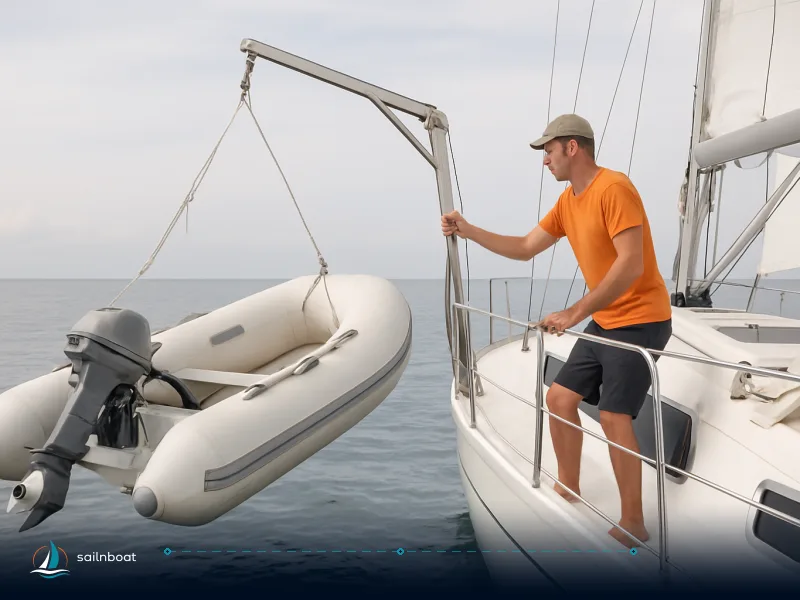
- If you need to tow the dinghy for a short distance to a davit or platform, keep speed low and monitor for water ingress; never tow faster than the dinghy design allows.
- Safety measures:
- Have crew wear PFDs when retrieving in currents or chop.
- Never allow anyone to lean over the rail unsupported while using a hook.
- If the painter is fouled, stop and plan a controlled retrieval rather than forcing the hook; the hook head can snag and cause sudden loads.
On‑Deck Safety Practices
Safety protocols
-
Stance and grip: when using the hook, adopt a low centre of gravity with feet wide and one hand nearer the tip only for guidance — main pulling force must come from the hand closer to the butt and your torso. Never stand with heels on an overhanging toe rail while pulling.
-
Two‑hand rule: use two hands when applying load; one‑handed reaches are for light fending only.
-
Communication: standardise short calls for mooring actions and ensure crew confirm they’re ready before you reach. The helmsman controls thrust and must not make unexpected manoeuvres while someone has a hook extended.
-
Stowage and securing: store the hook in a dedicated clip or cradle so it cannot roll on deck or fall overboard. If it does go overboard, many telescoping models sink or the locking collar can jam — consider a floating hook or fastening a float if you operate in confined, shallow areas. Practical maintenance reviews report several performance and locking‑mechanism failures on low‑cost telescoping poles; check yours routinely.
Common Mistakes to Avoid with a Boat Hook
Mistakes and solutions
-
Overreaching: reaching beyond your balance point causes falls — solution: move a step closer or shorten the pole; never overextend while pulling.
-
Using the hook as a crane: boat hooks are for pulling lines and retrieving light items; they aren’t designed to lift heavy objects or people. Use dedicated lifting gear or a boat hook only to hold a painter until proper lines are rigged.
-
Trusting a weak lock: many telescoping poles use simple twist or push‑button locks that wear. A worn lock can collapse under load; inspect the lock and avoid relying on a pole whose lock feels sloppy.
-
Improper head choice: a small or narrow head is fine for lines but will fail when you try to secure a large ring or cleat. Use a head designed to cradle lines or a mooring pennant; specialised mooring hooks exist to thread rings efficiently.
Maintenance Tips for Your Boat Hook
Maintenance practices
-
Rinse after use: freshwater rinse after each saltwater outing reduces corrosion on aluminum and prevents grit from jamming locks.
-
Inspect the head and tip: check for cracks in the nylon/composite head and wear on the soft tip; replace tips when the shape or fit is compromised.
-
Lock and shaft care: clean and dry the locking collars and sliding sections; lubricate with a marine‑safe silicone spray (avoid oils that attract salt) to keep the telescoping action smooth.
-
Corrosion hotspots: check the junction where the head meets the shaft and any push‑button mechanisms — these are common failure points on lower‑cost models. Reviews and maintenance reports note that twist‑lock mechanisms often fail before the shaft does.
-
Storage: store the pole clipped horizontally in a shaded locker or deck cradle to avoid UV degradation of plastic parts and to prevent accidental falls; consider setting a fixed length with a small mechanical pin for a pole you use repeatedly at one length.
Recommended Boat Hooks for Charter Tenders
Boat hook recommendations
What to prioritise for a tender:
- Usable length: aim for a hook that extends to roughly 1.8–2.4 m for most tender operations — this balances reach and stowage. For higher freeboard yachts plan longer.
- Head design: a wide, cupped head or dedicated mooring head that can pass lines or cradle a mooring pennant is far more useful than a narrow hook.
- Locking: positive locking (twist lock or push‑button) is essential; prefer heavy‑duty collars if you expect real loads.
- Material and floatation: anodised aluminium is common and economical; composite/carbon options are lighter and stiffer. If you operate where losing the pole would be a real problem, choose a floating model or add a float.
Comparative table (typical models and attributes)
| Model / Brand | Type | Collapsed → Extended (typical) | Head material | Floats? | Suitability for charter tender |
|---|---|---|---|---|---|
| Davis Telescoping (Davis Instruments) | 3‑section telescoping | ~140 cm → up to ~365 cm (54" → 12 ft) | Nylon/composite head options | Some models fixed/float options | Long reach for larger yachts; good for mooring and buoys. |
| Hook & Moor / Robship (Hook & Moor design) | Telescoping with moor‑hook function | 1.8 m and 2.5 m typical variants sold | Engineered mooring head to pass lines | Depends on model | Designed specifically to thread mooring rings and return the line to the boat in one motion. |
| West Marine Shorty | Floating telescoping shorty | 0.9 m → 2.13 m (36" → 84") | Glass‑filled nylon head | Yes (floating) | Compact stowage; best for small tenders and dinghies. |
| Sea‑Dog telescoping | Telescoping aluminium | Small to medium telescopes (varies by SKU) | Injection‑moulded/nylon head | Some floating options | Economical, common dock shop option for everyday tasks. |
| Shurhold (SHUR‑LOK) | Modular head with SHUR‑LOK handles | Depends on handle chosen (telescoping available) | 3‑in‑1 boat hook attachment | Depends on handle | Useful if you prefer interchangeable tools and replacement heads. |
Notes on the table: manufacturers change SKUs and dimensions; treat the figures above as typical ranges and pick the length/safety features that match your boat’s freeboard and storage.
Progressive Drills to Improve Boat Hook Handling
Train with three short drills you can run during a non‑critical day in calm water.
- Reach & Retrieve (15 minutes)
- Objective: accurate hook placement at varying distances.
- Setup: bow crew and deck hand; place a floating marker at 5, 8 and 12 metres.
- Drill: pick the marker with the hook, pull it in smoothly, pass the line to the cleat and make off. Repeat both port and starboard sides. Build speed only after accuracy is consistent.
- Mooring Buoy Pickup (20 minutes)
- Objective: pick up and make fast a mooring pennant without using the anchor.
- Setup: practice on a real mooring or a practice buoy in the marina.
- Drill: approach, pick up the pennant, make an initial turn on the cleat, transfer load from hook to line and secure. Debrief: discuss the timing of engine nudge vs. hook retrieval.
- Dinghy Recovery Under Pressure (20–30 minutes)
- Objective: recover a drifting dinghy under slight wind/current.
- Setup: have the dinghy adrift a short distance; designate roles and safety checks.
- Drill: approach, snag the painter, haul the dinghy alongside and secure before attempting to step aboard or hoist. Vary the conditions (different approach angles) as skill improves.
After each drill, inspect the hook for damage and review any near misses. Keep sessions short and focused — repetition builds timing more reliably than long, unfocused practice.
Final decisions and trade‑offs
- Telescoping vs fixed: telescopes save stowage space and allow variable reach; fixed poles are usually stiffer and less likely to fail at the collar. For charter tenders where stowage is tight, a solid telescoping pole with a proven lock is the usual compromise.
- Floating vs non‑floating: floating hooks reduce replacement risk if dropped, but floating heads and tips can add bulk and cost; if you operate off anchored boats in rocky water, favour flotation.
- Head type: standard hooks are versatile; specialised mooring heads that pass lines make mooring faster and safer — they’re worth the added cost if you pick up moorings frequently.
Enhance your skills by practicing these boat hook techniques on your next charter — start with the drills above, inspect your equipment thoroughly, and choose a hook whose length and locking system match your vessel’s freeboard and storage constraints.
Enhance your skills by practicing these boat hook techniques on your next charter.
Frequently Asked Questions
Have a crew member at the bow with the hook ready, approach slowly with engine in neutral/idle, use the hook to pick up the mooring pennant or pass a line through a ring, then make the line off to a cleat and transfer load from the hook to the line in controlled steps.
Approach from leeward or with a slight stern quarter, use the hook to snag a painter or grab a thwart, haul the dinghy alongside while keeping crew low and the engine at idle, then secure the painter to a cleat before lifting or winching aboard.
Keep a secure stance and two hands on the pole, never stand inside the toe rail when exerting a pull, brief the team on commands, stow the hook safely when not in use and wear a life jacket when working on the bow in exposed conditions.
Avoid overreaching, using the hook as a lever to lift heavy loads, relying on a failed locking mechanism, and standing with your feet unsecured while pulling – these errors cause dropped equipment and crew injuries.
Rinse in fresh water after use, inspect the head and tip for cracks, check and lubricate locking collars or twist locks with silicone spray, replace worn tips, and store the pole dry and clipped to a holder out of UV exposure.
For charter tenders, a hook that extends to roughly 1.8–2.4 m is a practical compromise; look for aluminium or composite shafts, a robust nylon or composite head, positive locking, and optionally a floating or quick‑release tip.
Written by
Sailnboat Editorial
The Sailnboat editorial desk covers yacht and boat chartering worldwide — routes, bases, seasons, boat types, paperwork and the practical costs that decide a trip. We are a charter marketplace, not a boat owner or a local agency: what we sell is judgement and support, so our guides are written to help you make a decision, not to sell you a specific boat. Every guide is checked against live operator and marina data before it goes out.
Fact-checked against live operator and marina data, and published under our editorial standards. Last reviewed: .